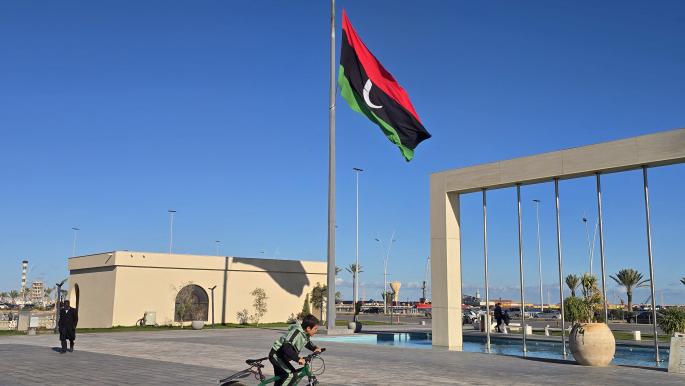
Several children and young people in Libya have sustained serious visual impairments due to the use of toy guns, leading to hospitalizations for treatment. These incidents reflect the increasing risks faced by children in unstable environments, where such toys contribute to a culture of violence.
Reports indicate that these toys, which appear harmless at first glance, can cause severe injuries, especially when used improperly or without supervision. Some cases have shown that the injuries were permanent, raising concerns about the impact of these toys on children's futures.
Details of the Incidents
Recently, hospitals in several Libyan cities have reported an increase in cases requiring treatment due to injuries caused by toy guns. Medical sources have reported that some children suffered eye injuries leading to vision loss, highlighting the urgent need for family awareness regarding the dangers of these toys.
Injuries range from minor bruises to serious visual impairments, with some children being admitted to hospitals for immediate care. Medical authorities have confirmed that these injuries require special care, adding to the burdens on the country's healthcare system.
Background & Context
Libya has been in a state of instability since 2011, significantly affecting all aspects of life, including child safety. Under these conditions, toy guns have become readily available, increasing the risk of irresponsible use.
These toys are part of the growing culture of violence in society, representing a manifestation of the surrounding environment plagued by conflict. Previous studies have shown that children raised in violent environments tend to accept violence as a means of resolving conflicts.
Impact & Consequences
The repercussions of these incidents extend beyond health dimensions, affecting the psychology of children and their families. Visual impairments can lead to lower educational levels and future opportunities for children, negatively impacting society as a whole.
Moreover, these incidents highlight the need for urgent interventions by the government and civil society to educate families about the dangers of these toys and provide psychological support for affected children. Coordinated efforts must be made to reduce the prevalence of these toys in the markets.
Regional Significance
This issue exemplifies the challenges faced by children in conflict areas in the Arab world. With increasing violence and deteriorating security conditions, children become more vulnerable, necessitating a comprehensive response from the international community to protect their rights.
Raising awareness about the dangers of toy guns can be an important step towards reducing injuries and protecting children from violence. Continuous awareness campaigns targeting families and local communities are essential.
In conclusion, the injuries sustained by children in Libya due to toy guns represent an urgent call to consider how to protect children from the dangers of violence. Joint efforts from all concerned parties are required to ensure the safety and future of children.