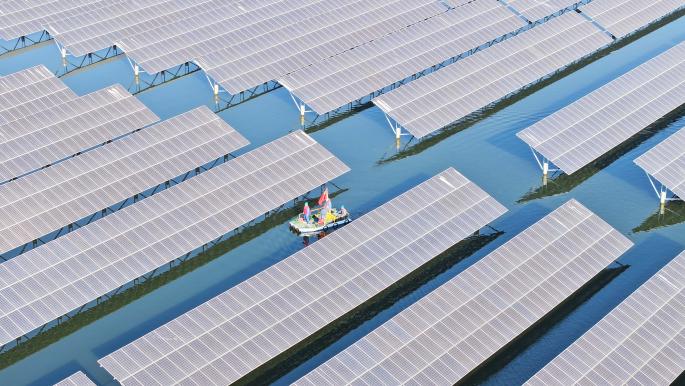
China is accelerating its investments in the field of green technology, aiming to enhance its industrial independence and ensure the security of vital materials. This strategy comes amid global disruptions in supply chains, making it essential to reduce reliance on external sources.
The Chinese government is striving to transform the national economy into a more sustainable model, focusing on developing renewable energy sources and clean technology. This transformation is part of a larger plan aimed at achieving sustainable development goals and reducing carbon emissions.
Details of the Initiative
Reports indicate that China plans to invest over $500 billion in renewable energy projects over the next five years. These projects include the development of solar and wind energy, as well as enhancing energy storage technologies. The government also aims to support local companies in this sector by providing financial incentives and tax relief.
The investments also encompass research and development in areas such as electric vehicles and hydrogen technologies, with hopes that China will become a global leader in these fields. Officials have noted that these investments will contribute to the creation of millions of new jobs and boost economic growth.
Background & Context
Historically, China has heavily relied on coal as its primary energy source, leading to exacerbated environmental pollution issues. With increasing international and domestic pressures to curb emissions, the government has begun taking serious steps towards transitioning to clean energy sources.
In recent years, China has witnessed significant growth in the renewable energy sector, becoming the world's largest producer and consumer of solar energy. However, challenges remain, including the need to upgrade infrastructure and develop new technologies.
Impact & Consequences
These investments are expected to significantly impact the global economy, contributing to a reduction in reliance on fossil fuels and fostering innovation in energy. They will also lead to changes in global supply chains, as other countries seek to emulate the Chinese model of investing in green technology.
Moreover, these shifts may increase competition among major countries in the renewable energy sector, potentially altering the dynamics of global economic power. The focus on sustainability could also open new avenues for international cooperation in research and development.
Regional Significance
The Arab region is rich in natural resources, making it a potential strategic partner for China in the field of renewable energy. Arab countries could benefit from the Chinese experience in developing clean energy projects, contributing to achieving sustainable development goals in the region.
Additionally, cooperation in this field could enhance Chinese investments in Arab countries, opening up new opportunities for economic development. Given the environmental challenges facing the region, green technology could be an effective solution to address these issues.
In conclusion, China's efforts to invest in green technology reflect a strategic vision aimed at achieving industrial independence and promoting sustainable economic growth. As these trends continue, we may witness a significant transformation in the global economic landscape.