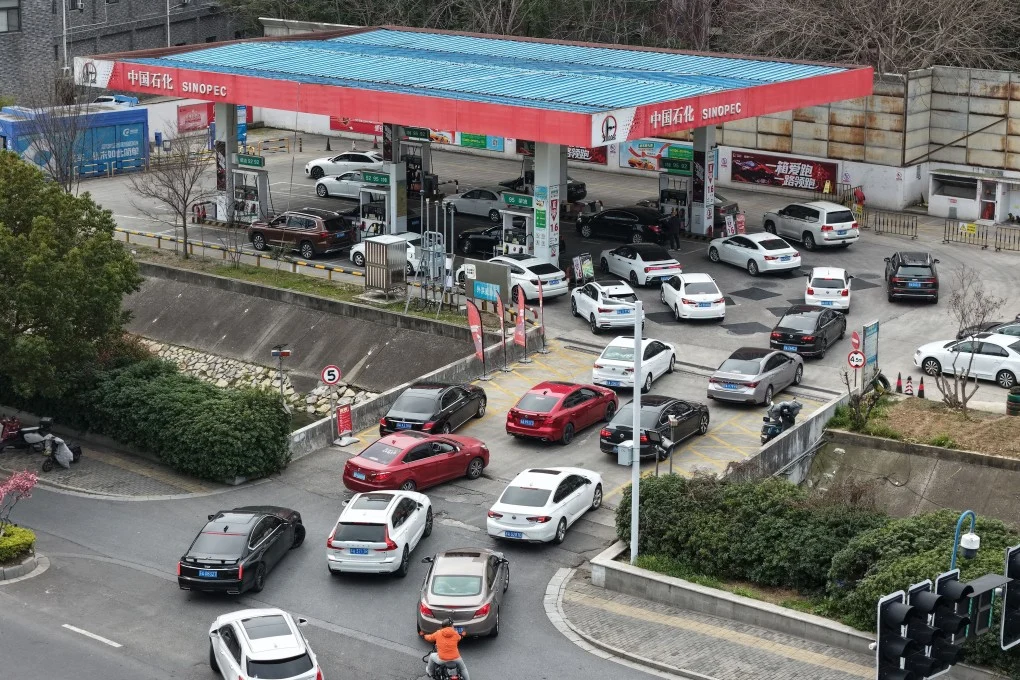
A consultant at the People's Bank of China confirmed that China has the capacity to confront imported inflation shocks arising from instability in the Middle East. Huang Yiping, a member of the bank's monetary policy committee, explained that the country is already facing upward price pressures, necessitating appropriate measures to maintain economic stability.
At the same time, Yiping pointed out that the consumer price index, a key measure of inflation, remains below the official target of 2%, reflecting additional challenges facing the Chinese economy amid changing global conditions.
Details of the Situation
These statements come at a sensitive time, as the Middle East is experiencing increasing tensions that could impact oil and commodity prices, potentially leading to imported inflation. Yiping indicated that China needs to balance these pressures with potential risks to economic growth, reflecting the complex challenges the Chinese government faces in managing monetary policy.
Despite current pressures, the Chinese economy still shows signs of recovery from the impacts of the COVID-19 pandemic; however, new challenges may hinder this recovery. Maintaining price stability is one of the primary goals of Chinese monetary policy, which requires a swift and effective response from the relevant authorities.
Background & Context
Historically, China has relied on price stability as part of its economic strategy. However, changes in the global market, particularly in energy markets, can lead to unexpected price fluctuations. In recent years, China has witnessed rising prices for food and energy, affecting consumers' purchasing power.
The Middle East is a major source of oil, and any disruptions in this region can lead to increased oil prices, directly impacting the Chinese economy. Therefore, China needs effective strategies to address these challenges, including enhancing domestic production and reducing reliance on imports.
Impact & Consequences
The implications of imported inflation extend beyond China's borders, potentially affecting the global economy as a whole. If prices continue to rise, this could lead to increased living costs in many countries, impacting consumption and economic growth. Additionally, rising oil prices could affect oil-importing countries in the Arab region.
Moreover, any changes in Chinese monetary policy could influence global financial markets, as China is one of the largest economies in the world. Thus, monitoring economic developments in China is crucial for investors and decision-makers worldwide.
Regional Significance
For Arab countries, the economic situation in China has multiple implications. Rising oil prices due to tensions in the Middle East may lead to increased oil revenues for producing countries, but at the same time, it could impact oil-importing countries, increasing inflationary pressures.
Furthermore, any changes in China's economic policy could affect trade between China and Arab nations, as China is a key trading partner for many Arab countries. Therefore, it is important for Arab nations to closely monitor developments in China and be prepared to adapt to any potential market changes.