In a move reflecting China's strategic directions, the Chinese government has reaffirmed its sovereign position on several important issues, emphasizing its role in the Asia-Pacific region. These statements come at a sensitive time, as tensions in the South China Sea have escalated, raising questions about the roles of Cuba and Hong Kong in regional politics.
China highlighted the importance of maintaining its sovereignty in the South China Sea, where it faces intense competition from other countries in the region. The statements also addressed Cuba's role in enhancing bilateral relations, pointing out the significance of cooperation between the two countries across various fields.
Details of the Event
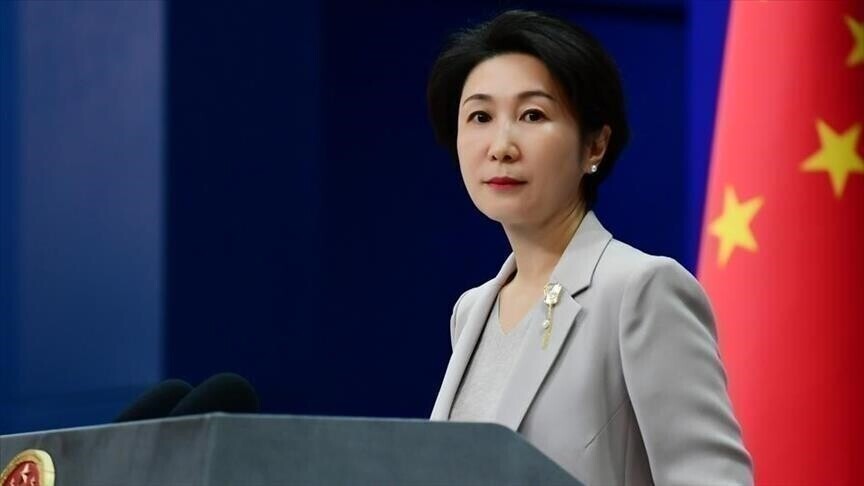
In official remarks, the spokesperson for the Chinese Foreign Ministry stated that the country will continue to defend its national interests in the South China Sea, where vast natural resources are located. China criticized what it termed "small circles" that seek to undermine regional stability, stressing the need to respect the sovereignty of nations.
Furthermore, the role of Hong Kong in China's space program was highlighted, as the city is considered a vital hub for innovation and technology. China asserted that Hong Kong will play a pivotal role in achieving its ambitious goals in the space sector.
Background & Context
Historically, the Asia-Pacific region has been a theater for competition among major powers, with China seeking to enhance its influence in the face of the United States and its allies. Recent years have witnessed a rise in maritime tensions, particularly in the South China Sea, which is a point of contention among several nations.
Cuba is also part of this context, as China aims to strengthen its relations with Latin American countries as part of its global strategy. Chinese-Cuban relations date back decades and have seen significant developments in recent years, especially in trade and investment sectors.
Impact & Consequences
China expects these statements to bolster its position on the international stage as it seeks to build new alliances in the face of Western pressures. Additionally, the emphasis on sovereignty may help alleviate domestic concerns regarding political and economic stability.
On the other hand, these statements could escalate tensions with neighboring countries, especially given conflicting interests in the South China Sea. The criticisms directed at the "small circles" may reflect China's anxiety over regional alliances that aim to undermine its influence.
Regional Significance
Considering Arab-Chinese relations, these developments could impact cooperation strategies between China and Arab nations. China seeks to enhance its economic partnerships with Arab countries, particularly in energy and technology sectors.
Moreover, strengthening ties with Cuba could open new avenues for cooperation between China and Arab nations in the Caribbean region, reflecting the diversity of Beijing's strategies to enhance its global influence.
In light of the increasing tensions in the Asia-Pacific region, the significance of China's position emerges as a key factor in shaping regional and international policies. China continues to reinforce its sovereignty and expand its influence, which is reflected in its relations with other countries, including Arab nations.