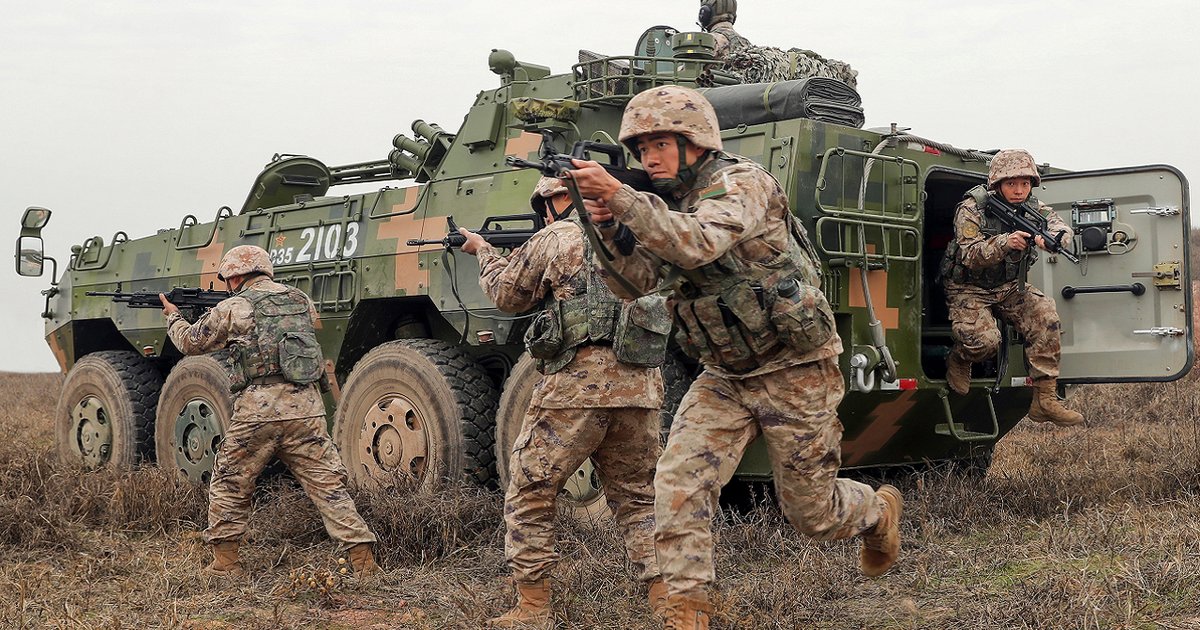
China has taken an unprecedented step by reserving vast areas of maritime airspace for up to 40 days, raising questions about the true motives behind this action. This move comes at a sensitive time, as the alerts issued resemble those typically used to notify military exercises, which usually last only a few days.
According to reports from the Wall Street Journal, this step raises numerous concerns in international circles, as no official explanation has been provided by the Chinese government regarding the reasons for this extended reservation. These actions come amid rising tensions in the Pacific region, particularly with the increasing competition between China and the United States.
Details of the Airspace Reservation
The warnings issued by China include notifications similar to those typically used in military exercises, which adds to the ambiguity surrounding Beijing's intentions. It is believed that this step may be part of a broader strategy to enhance control over disputed maritime areas, especially in the South China Sea, which has ongoing disputes among several countries.
The reserved areas encompass large stretches of water that China considers part of its sovereignty, which could escalate tensions with neighboring countries that claim rights to these waters. Additionally, this step may impact air and maritime traffic in the region, raising concerns for the companies and nations involved.
Background & Context
Historically, China has adopted assertive policies towards disputed maritime areas, seeking to bolster its military and economic presence in these regions. In recent years, Beijing has increased its military activities, including the construction of military bases on artificial islands, which has provoked strong reactions from neighboring countries and the United States.
This step is seen as part of China's broader strategy to enhance its influence in the Pacific, as it seeks to assert control over maritime resources and navigation. With rising tensions, fears of potential military confrontations in the region are growing.
Impact & Consequences
This move could escalate tensions between China and neighboring countries, potentially negatively affecting regional stability. Furthermore, these actions may lead to an increased U.S. military presence in the area, as Washington seeks to ensure freedom of navigation and protect its strategic interests.
Moreover, the long-term reservation of airspace could disrupt commercial flight operations, leading to additional costs and delays in air travel. This situation could adversely affect both the regional and global economy, especially given the increasing reliance on international trade.
Regional Significance
The implications of this airspace reservation are significant, as they signal a potential shift in the balance of power in the Pacific region. Countries in the vicinity are likely to respond with heightened vigilance and may adjust their military strategies accordingly.
As the situation develops, it will be crucial for international stakeholders to monitor China's actions closely, as they could have far-reaching consequences for maritime security and regional dynamics.