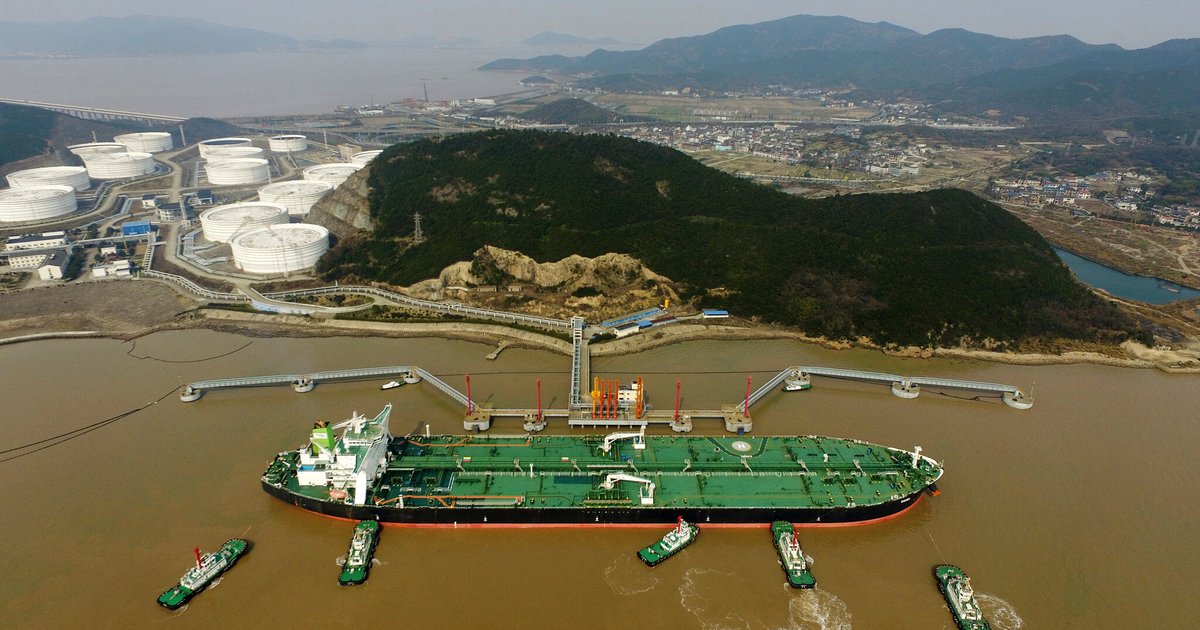
As the war and Western sanctions escalate, China has become a key player in supporting Iranian oil exports. Beijing aims to break the blockade imposed on Tehran and enhance its economic stability.
The pressures on Iran due to imposed sanctions have led to a significant decline in its oil exports. However, China, the largest importer of Iranian oil, plays a pivotal role in rescuing these exports.
Details of the Event
Reports indicate that China has continued to purchase Iranian oil despite the sanctions, significantly increasing its imports. Data shows that China imported approximately 1.5 million barrels per day of Iranian oil in recent months, reflecting Beijing's commitment to supporting Tehran in the face of Western pressures.
The Chinese strategy also includes enhancing cooperation in energy and trade sectors with Iran, contributing to strengthening the relations between the two countries. Additionally, Beijing is working on developing investment projects in Iran, demonstrating its desire to bolster its economic presence in the region.
Background & Context
Historically, Iran has heavily relied on its oil exports as one of its main sources of revenue. With the imposition of Western sanctions, Tehran has faced significant challenges in maintaining its economic stability. In this context, China is considered a strategic partner for Iran, seeking to enhance its economic and political relations with Tehran.
It is noteworthy that the relations between China and Iran date back decades, witnessing significant development in recent years. The Chinese Belt and Road Initiative has contributed to enhancing cooperation between the two countries in various fields, including energy and infrastructure.
Impact & Consequences
The Chinese support for Iranian oil exports has significant implications on the international stage. Despite the imposed sanctions, China's continued purchase of Iranian oil reflects a challenge to Western policies and strengthens Tehran's position in facing pressures.
This cooperation may also enhance economic relations between China and other countries in the region, potentially altering the balance of power in the Middle East. At the same time, it could exacerbate tensions between China and the United States, as Washington seeks to limit Beijing's influence in the region.
Regional Significance
China's support for Iran in the oil sector has direct effects on neighboring Arab countries. An increase in Iranian oil exports could lead to changes in global oil prices, impacting the economies of Arab nations that rely on oil as a primary source of revenue.
Furthermore, the strengthening of relations between China and Iran may prompt some Arab countries to reassess their economic and political strategies in the region. Given these dynamics, it may be essential for Arab nations to seek new partnerships to enhance their economic stability.
In conclusion, China emerges as a key player in supporting Iran in the face of sanctions and war, reflecting a shift in the economic balance of power in the region.