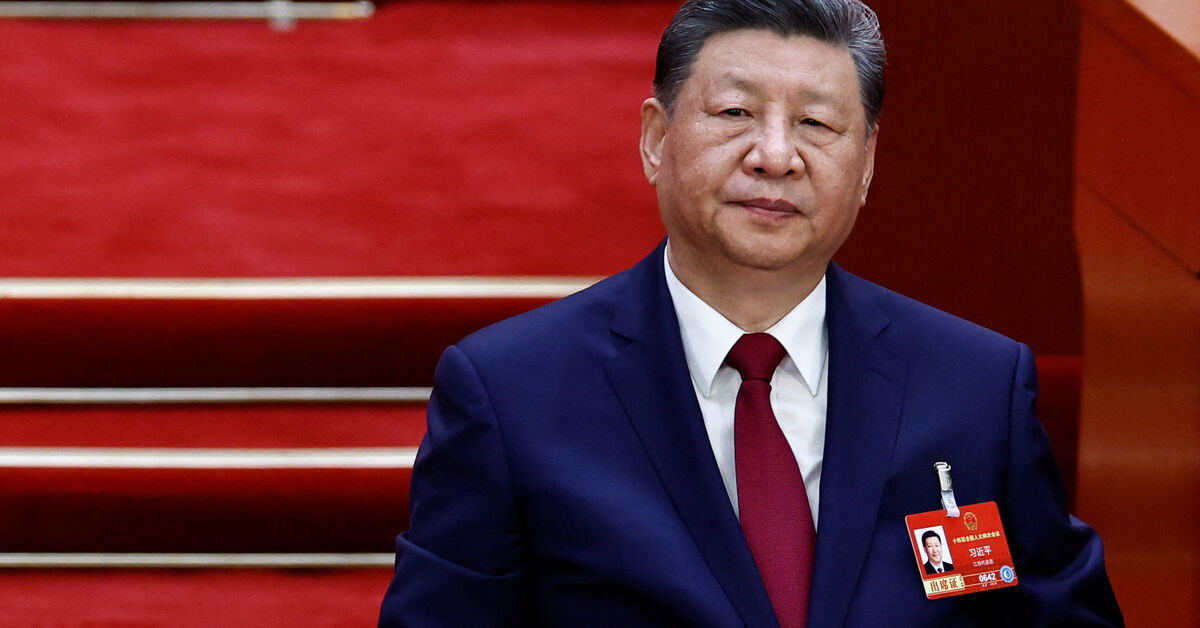
Amid escalating conflicts in the Middle East and their impact on global energy markets, Chinese President Xi Jinping has called for the acceleration of planning and building a new energy system aimed at enhancing energy security in China. This statement was made on Monday, highlighting the importance of this move given the increasing tensions the world is experiencing.
Xi emphasized the necessity of developing hydropower and protecting the environment, stressing the importance of safe and organized expansion in nuclear energy. These remarks come at a sensitive time, as global markets are suffering from successive shocks due to armed conflicts, raising concerns among many countries about securing energy supplies.
Event Details
China, the world's second-largest economy, heavily relies on energy imports. With the escalation of conflict in Iran, which has led to rising oil and gas prices, it has become essential for China to take proactive steps to ensure the sustainability of its energy supplies. Xi pointed out that the rapid planning of the new energy system must include effective strategies to address current challenges.
These strategies involve enhancing the use of renewable energy sources, such as solar and wind energy, in addition to improving energy efficiency across various sectors. The Chinese president also called for international cooperation in the energy sector, reflecting the importance of joint efforts to tackle global challenges.
Background & Context
Historically, China has relied heavily on coal as a primary energy source, but with increasing environmental awareness and international pressures, the government has begun directing significant investments towards renewable energy sources. Nevertheless, nuclear energy continues to play an important role in China's energy mix, as the country seeks to balance economic growth with environmental preservation.
This call comes at a critical time, as the world faces significant challenges regarding energy security, especially with the escalation of conflicts in regions like the Middle East. Any disruptions in these areas can significantly impact global energy supplies, necessitating a swift and effective response from major countries.
Impact & Consequences
Accelerating the development of a new energy system in China could have far-reaching effects on the global economy. Increasing reliance on renewable energy sources could help reduce dependence on imported oil and gas, thereby enhancing the stability of the Chinese economy. This shift may also open new avenues for international cooperation in the energy sector, where other countries could benefit from China's experiences in this field.
Moreover, these steps could lead to improved relations between China and energy-producing countries, as they may help alleviate tensions related to energy supplies. Focusing on clean energy could enhance China's image as a major supporter of sustainable development both locally and internationally.
Regional Significance
Considering the impact of conflicts in the Middle East on energy markets, China's call to accelerate the development of a new energy system could have direct implications for oil-producing Arab countries. With increasing pressures on oil prices, these nations may find themselves compelled to reassess their economic strategies.
On the other hand, these developments could open new opportunities for cooperation between Arab countries and China in the fields of renewable energy and environmental technology. Strengthening collaboration in these areas could contribute to achieving sustainable development goals in the region and enhance economic stability.
In conclusion, President Xi Jinping's call to accelerate the development of a new energy system represents a strategic step aimed at enhancing energy security amid changing global conditions. These moves could contribute to shaping the future of energy worldwide, warranting close attention from concerned nations.