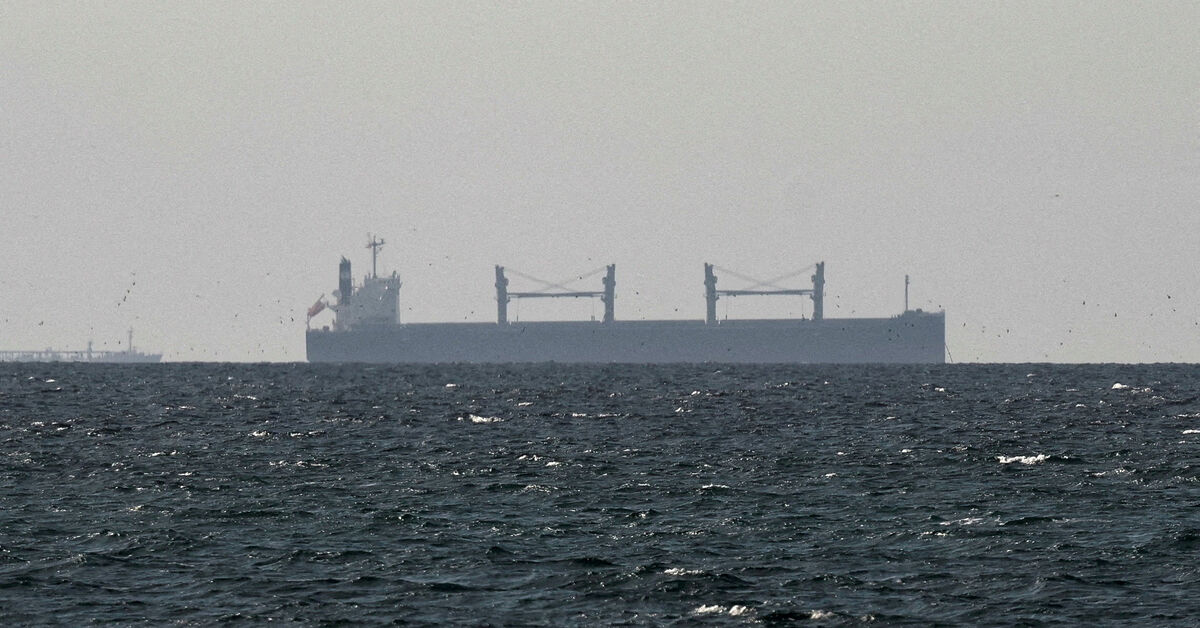
China has reiterated its call for a ceasefire in the Middle East and securing passage through the Strait of Hormuz during talks held by Chinese Foreign Minister Wang Yi with officials from the European Union and Germany. This call comes at a sensitive time, as the global energy market is experiencing disruptions due to the ongoing conflict in the region.
In separate communications, Wang Yi spoke with Josep Borrell, the EU's High Representative for Foreign Affairs, and Heiko Maas, the German Foreign Minister, where he stressed the importance of collaborative efforts to achieve lasting peace in the Middle East.
Details of the Event
Through these calls, China aims to enhance its role as a mediator in regional conflicts, believing that stability in the Middle East has direct implications for the global economy, especially in the energy sector. Wang Yi pointed out that the ongoing conflict has negatively impacted oil and gas prices, necessitating urgent international intervention.
The Chinese Foreign Minister also emphasized the need for major powers to cooperate in this context, stressing that military solutions would only exacerbate the situation. These statements have been welcomed by some countries hoping for greater stability in the region.
Background & Context
Historically, the Middle East has witnessed numerous armed conflicts that have led to serious repercussions for regional and international security. The current conflict, which began in recent years, has resulted in hundreds of thousands of casualties and displaced millions. The humanitarian crises resulting from these conflicts now require an urgent response from the international community.
In recent years, China has sought to enhance its role in foreign policy by presenting itself as a neutral mediator, aiming to build strong relationships with Arab countries and promote economic cooperation. China has shown increasing interest in investing in infrastructure projects in the region, reflecting its desire to enhance its influence.
Impact & Consequences
China's call for a ceasefire is considered an important step in the context of international efforts to end the conflict in the Middle East. If the concerned parties respond to this call, it could lead to a de-escalation of tensions and an improvement in humanitarian conditions in the region. Additionally, stability in the Middle East could contribute to stabilizing global energy prices, benefiting the global economy.
Moreover, strengthening China's role as a mediator in regional conflicts could alter the dynamics of international politics, potentially leading to a new balance in relations among major powers in the region.
Regional Significance
For Arab countries, China's call for a ceasefire represents an opportunity to enhance dialogue and cooperation among conflicting nations. Furthermore, stability in the region could open new avenues for economic development and investment, benefiting the peoples of the region.
In conclusion, China's call for a ceasefire in the Middle East is a positive step toward achieving peace and stability. The international community must respond to this call and work collectively to end the conflict and achieve sustainable development in the region.