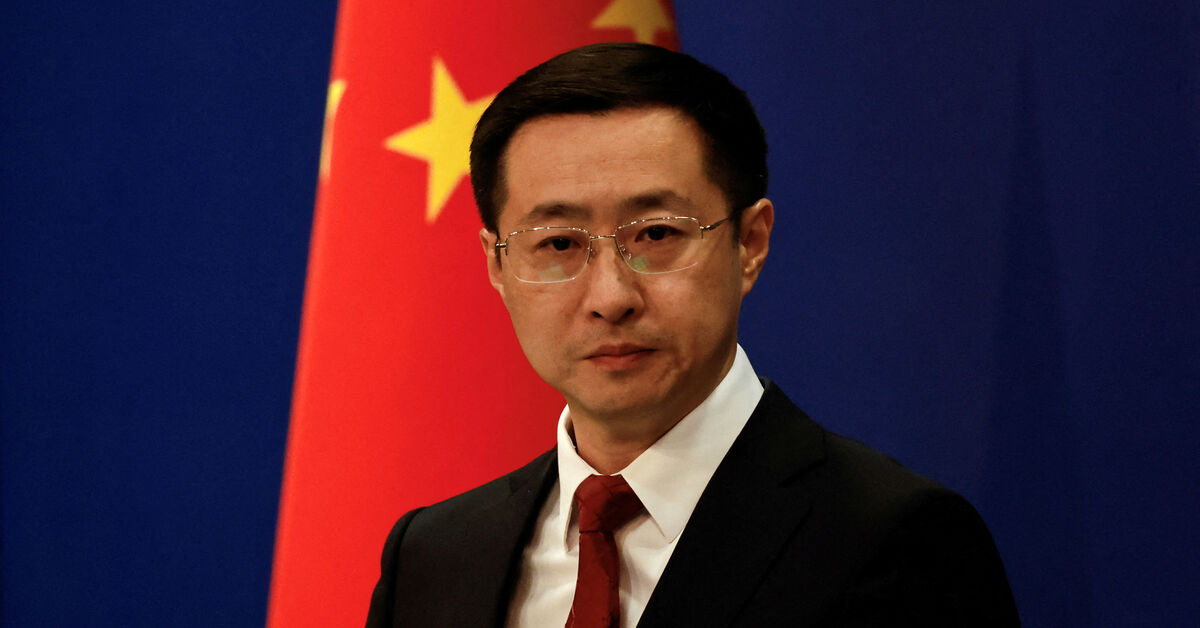
China has called upon the parties involved in the Middle Eastern conflict, especially Iran, to "create conditions" for starting serious peace talks. This statement was made by the spokesperson for the Chinese Foreign Ministry, Lin Jian, during a press conference on Thursday, where he emphasized the necessity of enhancing peace efforts in the region.
Lin Jian pointed out that "the urgent priority is to promote peaceful dialogue, seize the opportunity for peace, and strengthen the cessation of hostilities." This statement comes at a time when tensions are escalating between Iran and the United States, raising concerns in the international community regarding the stability of the region.
Details of the Situation
China's call comes at a critical time as the intensity of the conflict in the Middle East, particularly between Iran and the United States, is on the rise. In recent years, relations between the two countries have become increasingly strained, especially following the U.S. withdrawal from the Iranian nuclear agreement in 2018. Since then, Washington has imposed strict sanctions on Tehran, exacerbating the economic and political conditions in the country.
In this context, China, which is considered a strategic partner of Iran, is seeking to play a mediating role in the conflict. It has expressed its readiness to support any efforts aimed at achieving peace and stability in the region, reflecting Beijing's growing interest in Middle Eastern issues.
Background & Context
Historically, China has adopted a policy of non-interference in the internal affairs of other countries, but it has recently begun to expand its diplomatic role in the Middle East. This shift is part of its efforts to enhance its economic and political influence in the region, especially under the Belt and Road Initiative, which aims to strengthen trade links between China and countries worldwide.
Iran is considered one of the key countries in this initiative, as China seeks to bolster economic cooperation with it. However, the political tensions between Iran and the United States could hinder these efforts, necessitating China's intervention as a mediator to achieve stability.
Impact & Consequences
China's call for peace talks could open doors to new opportunities for dialogue between Iran and the United States. If the involved parties respond positively to this call, it could lead to a de-escalation of tensions and progress in negotiations regarding Iran's nuclear program.
However, the question remains about the seriousness of the parties in engaging in genuine talks. History indicates that such calls may face challenges in implementation, particularly amid the growing mistrust between the parties involved. Therefore, the success of this initiative largely depends on the political will of both Iran and the United States.
Regional Significance
The developments in the Iranian-American conflict have a direct impact on the Arab region. The tensions between Iran and the United States affect the stability of many Arab countries, especially those experiencing internal conflicts or regional disputes.
If China can achieve progress in peace talks, it could lead to a reduction in tensions in the region, positively reflecting on the security and stability of Arab countries. Additionally, the success of these talks could pave the way for other countries in the region to engage in peaceful dialogue to resolve existing conflicts.
In conclusion, China's call for peace talks in the Iranian conflict is an important step towards achieving stability in the Middle East. However, it requires genuine efforts from all involved parties to achieve tangible results.