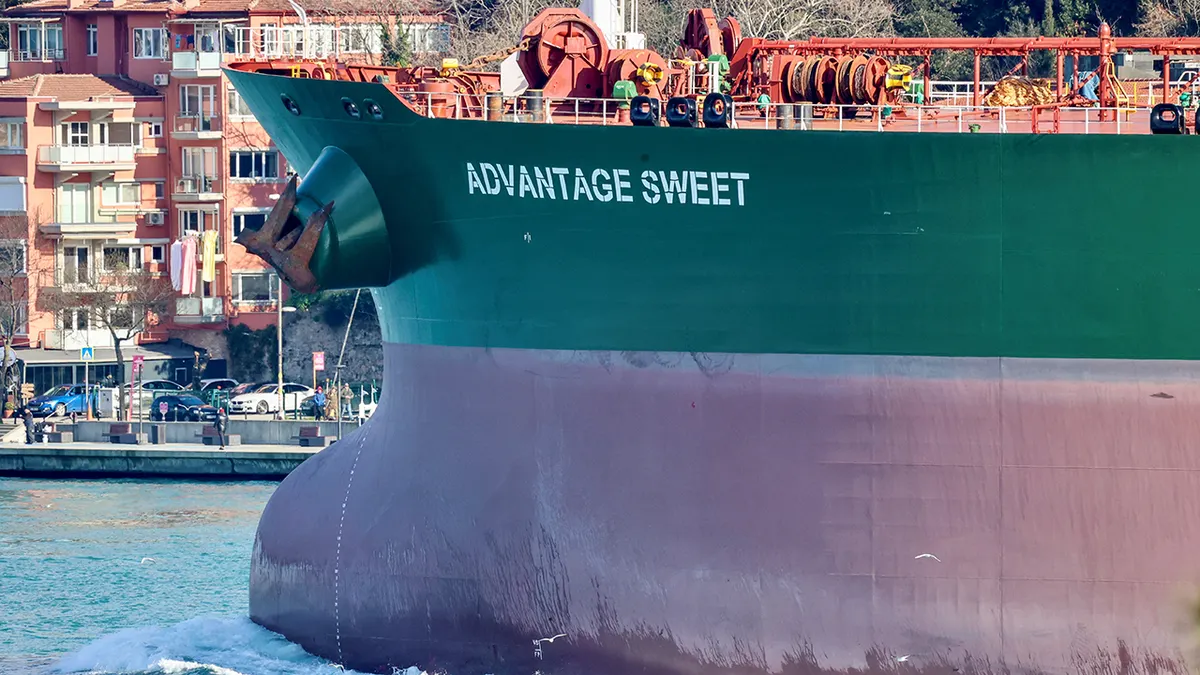
The Chinese government has expressed deep concern regarding the US detention of an Iranian commercial vessel in the Arabian Gulf. This statement was made in an official release by the Chinese Foreign Ministry, where the spokesperson, Gao Jiakun, strongly condemned these actions, deeming them illegal.
This statement follows the confirmation by the US Central Command (CENTCOM) about the detention of the Iranian ship Toska, which was attempting to bypass the blockade imposed by the United States in the Gulf region. The US command clarified that the ship is now under American control, escalating tensions in the area.
Details of the Incident
This action by the United States is part of its broader strategy to impose restrictions on the movement of Iranian vessels in the Arabian Gulf, as the US Navy has been enforcing a blockade on all ships entering or leaving Iranian ports since April 13 of last year. The Strait of Hormuz is one of the world's most critical maritime passages, through which approximately 20% of global oil shipments transit.
Simultaneously, the United States has confirmed that non-Iranian ships can pass through the strait, provided they do not pay any fees to Tehran. However, Iranian authorities have not announced an official policy regarding these fees, adding to the ambiguity surrounding the current situation.
Background & Context
The roots of the tensions in the Gulf region can be traced back to several factors, including the economic sanctions imposed on Iran by the United States, aimed at reducing its regional influence. The area has witnessed an escalation in military actions and tensions between Iran and the United States, significantly impacting maritime navigation and global energy security.
Historically, the Strait of Hormuz is a strategic point, linking the Arabian Gulf with the Sea of Oman, and serves as a vital artery for global oil trade. The region has seen numerous maritime incidents in recent years, raising concerns about navigation safety.
Impact & Consequences
These events could escalate tensions between the United States and Iran, potentially affecting the overall stability of the region. The continued detention of Iranian vessels may provoke reactions from Tehran, which could take retaliatory actions against American interests in the area.
Furthermore, these tensions could influence global oil prices, as any escalation in the region may heighten concerns about oil supply, potentially driving prices up in global markets.
Regional Significance
Neighboring Arab countries to Iran, such as the United Arab Emirates and Saudi Arabia, are among the most affected by the tensions in the Gulf. Any escalation could destabilize these nations, impacting their economies and security.
Moreover, these events may prompt Arab countries to reassess their security and military strategies in response to potential threats from Iran, potentially leading to new alliances or enhanced security cooperation among Arab states.
The detention of the Iranian ship by the United States reflects the increasing tensions in the Gulf region and highlights the necessity for diplomatic solutions to avoid escalating situations, as stability in this vital area is crucial for global security and energy.