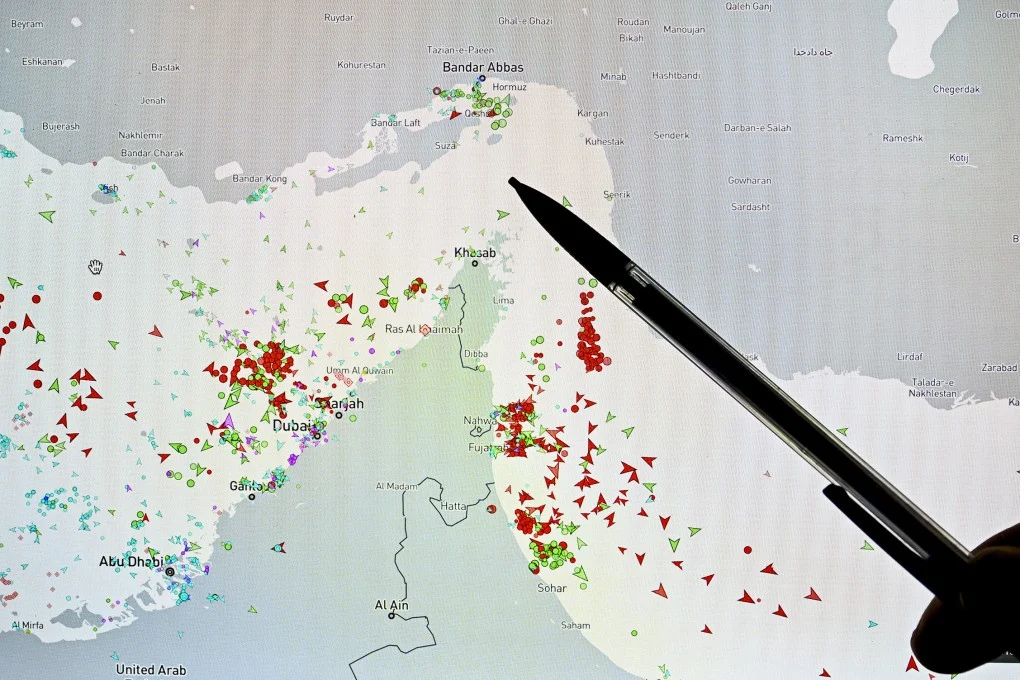
In an unprecedented move, China condemned Iran's attacks on Gulf states, emphasizing the need for a ceasefire and ensuring the safety of shipping lanes. This statement was made during a UN Security Council meeting on Thursday, where Fu Cong, the permanent representative of China to the United Nations, stated that his country does not support Iranian attacks on the Gulf Cooperation Council (GCC) states and condemns all indiscriminate attacks on civilians and non-military targets.
These remarks come at a sensitive time, as tensions in the Gulf region are escalating, raising concerns about regional security and the stability of global energy markets. The Chinese representative pointed out the importance of maintaining security in shipping lanes, which are vital for international trade.
Details of the Event
During the meeting, Fu Cong called on all parties involved to exercise restraint and refrain from any escalation that could worsen the situation. He affirmed that China is committed to supporting peace and stability in the region, stressing the importance of dialogue as a means to resolve disputes. These statements come at a time when Iran is facing increasing international pressure due to its military activities in the region.
The Chinese representative also noted that his country is closely monitoring the situation and hopes that all parties can reach peaceful solutions. These statements have elicited varied reactions from observers, with some considering them a reflection of a shift in Chinese policy towards Iran, which has been regarded as a strategic partner.
Context and Background
Historically, relations between China and Iran have been based on strategic cooperation, particularly in the fields of energy and trade. However, the rising tensions in the Gulf, especially following attacks targeting Gulf states, have prompted China to reassess its position. The Gulf region is one of the most important areas in the world in terms of oil production, and any escalation in conflicts could significantly impact oil prices and global markets.
In recent years, relations between Iran and Gulf states have seen increasing tensions, particularly with the escalation of Iranian military activities in the region. These activities have provoked strong reactions from Gulf states, complicating the security situation in the area.
Implications and Effects
These Chinese statements could lead to a change in regional dynamics, as they may encourage Gulf states to adopt a more aggressive stance towards Iran. Additionally, China's call for a ceasefire could open the door for new diplomatic efforts to resolve the conflict. At the same time, these developments may increase pressure on Iran, potentially affecting its foreign policy.
Moreover, China's position may also reflect its desire to enhance its role as a global power capable of mediating in regional conflicts. This could lead to changes in regional alliances and further complicate the geopolitical landscape in the area.
Impact on the Arab Region
For the Arab region, the Chinese statements represent an opportunity to strengthen cooperation between Gulf states and China, particularly in the areas of security and energy. Furthermore, China's call for a ceasefire may help ease tensions, allowing for broader dialogue among the involved parties.
Ultimately, developments in the Gulf remain under scrutiny, as any escalation could directly impact security and stability in the region, necessitating that all parties exercise wisdom and restraint.