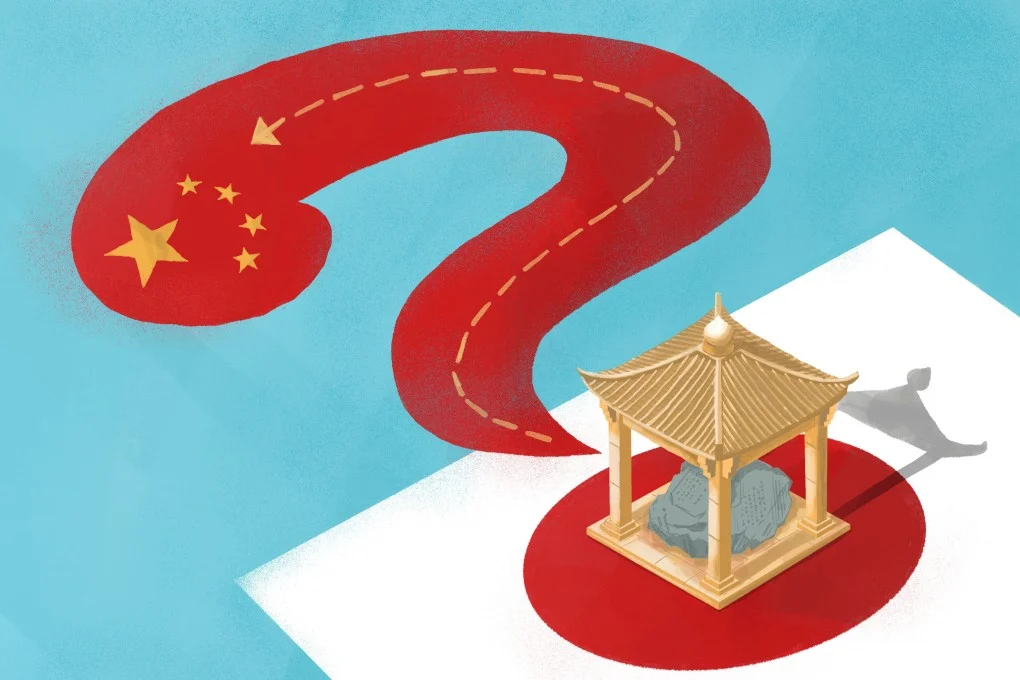
In a move that could transform cultural relations between China and Japan, the Chinese government has demanded the return of an ancient artifact over 1,300 years old, currently held in the Japanese Imperial Palace. This artifact is considered part of China's cultural heritage and is believed to have been looted during the Japanese occupation of China in the 20th century.
This demand comes at a time when China is seeking to bolster its position as a global leader in the recovery of lost cultural artifacts, reflecting its desire to address the impacts of past wars. This request serves as a test of how seriously nations are willing to tackle issues of cultural looting, particularly within the context of the complex relations between China and Japan.
Details of the Event
In 1945, following Japan's surrender to the Allies, Supreme Commander of the Allied Forces, General Douglas MacArthur, issued orders for the return of many looted cultural artifacts. However, this particular artifact was not returned, sparking controversy over cultural property rights in the context of wars. The artifact is part of China's cultural history and showcases ancient arts from the Tang Dynasty.
China is now seeking to reclaim this artifact as part of its broader efforts to recover lost cultural heritage, marking a shift in how nations address issues of cultural looting. Some experts have noted that these demands could open the door to broader discussions about cultural property rights worldwide.
Background & Context
Historically, China has been one of the largest victims of cultural looting during wars. Numerous artifacts and cultural landmarks have been plundered during civil wars and world wars. In recent years, China has begun taking serious steps to reclaim its cultural heritage, including demands for the return of artifacts from other countries.
These demands are part of a larger global movement aimed at returning cultural artifacts to their countries of origin. In recent years, there has been an increase in the number of countries demanding the return of their artifacts, reflecting a shift in global awareness regarding the importance of cultural heritage.
Impact & Consequences
If China succeeds in reclaiming this artifact, it could be seen as a turning point in how nations handle issues of cultural looting. This could lead to increased pressure on other countries to return cultural artifacts, potentially having a significant impact on international relations.
Moreover, this move may encourage other countries to demand the return of their artifacts, which could reshape the global cultural landscape. This is particularly important in the Asian region, where many cultures have historically overlapped.
Regional Significance
Although this event pertains to China and Japan, it has potential implications for the Arab region as well. Arab countries have also experienced cultural looting during periods of occupation, making the issue of artifact recovery a part of cultural and political discussions in the region.
China's efforts to reclaim its cultural heritage could inspire Arab nations to adopt similar stances, thereby enhancing the importance of cultural heritage in national identity. Furthermore, these issues may open avenues for greater cooperation between Arab countries and others in the fields of culture and heritage.
In conclusion, China's demand for the return of the ancient artifact is a significant step towards historical accountability for cultural looting. This move may mark the beginning of a new phase of discussions regarding cultural property rights and highlights the importance of cultural heritage in shaping national identity.