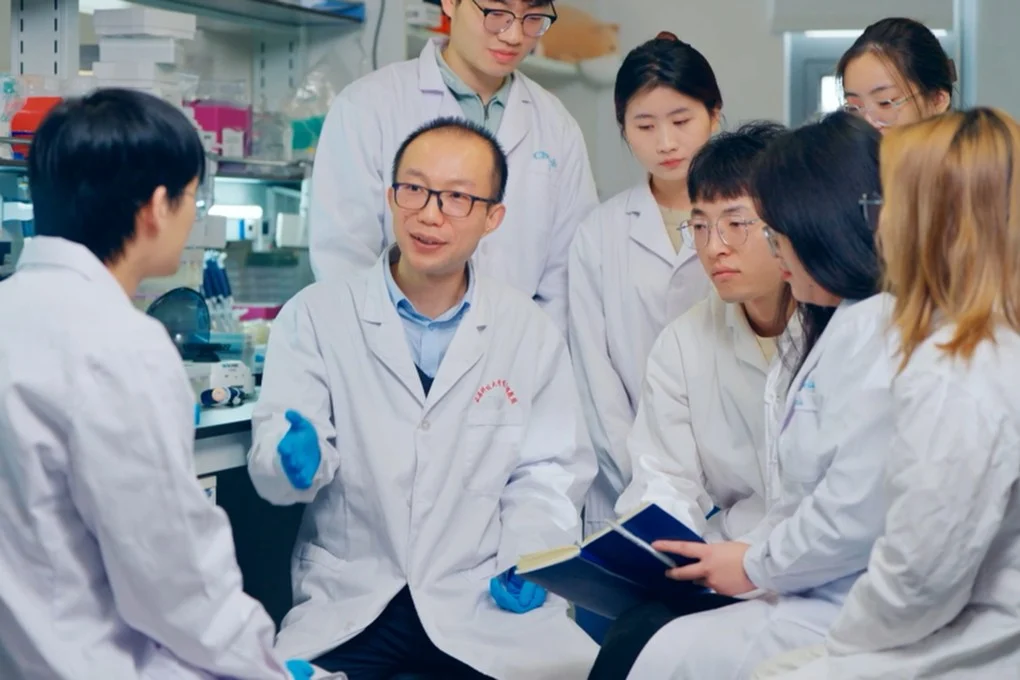
China has announced the development of an innovative treatment for thalassemia, which is considered one of the most common genetic disorders in the world. Approximately 30 million people in China carry the thalassemia gene, while the total number worldwide reaches 350 million. This disease poses a significant challenge for many families, as patients face serious health risks, including the need for regular blood transfusions and organ transplants, as well as the risk of early death.
If two individuals carrying the thalassemia gene marry, there is a 25% chance that their child will inherit the disease. This harsh reality highlights the importance of seeking effective solutions to treat this genetic disorder.
Details of the Development
These developments come as part of China's ongoing efforts to innovate in the field of medicine, where gene editing and stem cell technologies have been integrated into the new treatment. This therapy is considered a significant step towards improving the quality of life for patients, as scientists aim to reduce reliance on blood transfusions and alleviate symptoms associated with the disease.
Preliminary research shows promising results, with clinical trials indicating that the new treatment can enhance hemoglobin production in the blood, helping patients lead healthier and more active lives.
Background & Context
Historically, thalassemia is regarded as a hereditary disease that significantly affects communities, particularly in regions with high rates of consanguineous marriages. Over the decades, several methods have been developed to treat this disease, but they often require substantial medical resources and incur high costs.
In recent years, research in the field of gene therapy has increased, allowing scientists to explore new ways to treat genetic diseases. The new treatment in China is part of these global trends towards utilizing modern technology in medicine.
Impact & Consequences
If the new treatment proves effective, it could lead to a significant shift in how thalassemia is managed. It may reduce the need for frequent blood transfusions, alleviating the financial and psychological burden on patients and their families. Additionally, it could contribute to improving the quality of life for many individuals suffering from this disease.
Furthermore, this innovation may encourage other countries to invest more resources in similar research, enhancing international collaboration in the field of biomedical science.
Regional Significance
Thalassemia is a health issue affecting many Arab countries, where high rates of incidence are recorded in certain areas. The new treatment in China could inspire Arab researchers to develop local solutions to address this health challenge.
It also emphasizes the importance of collaboration between Arab countries and China in scientific research, which could contribute to improving healthcare in the region.
In conclusion, the development of a new treatment for thalassemia in China is a significant step towards improving the lives of millions of patients worldwide. If the effectiveness of this treatment is proven, it may revolutionize how this genetic disorder is managed, providing hope for many.