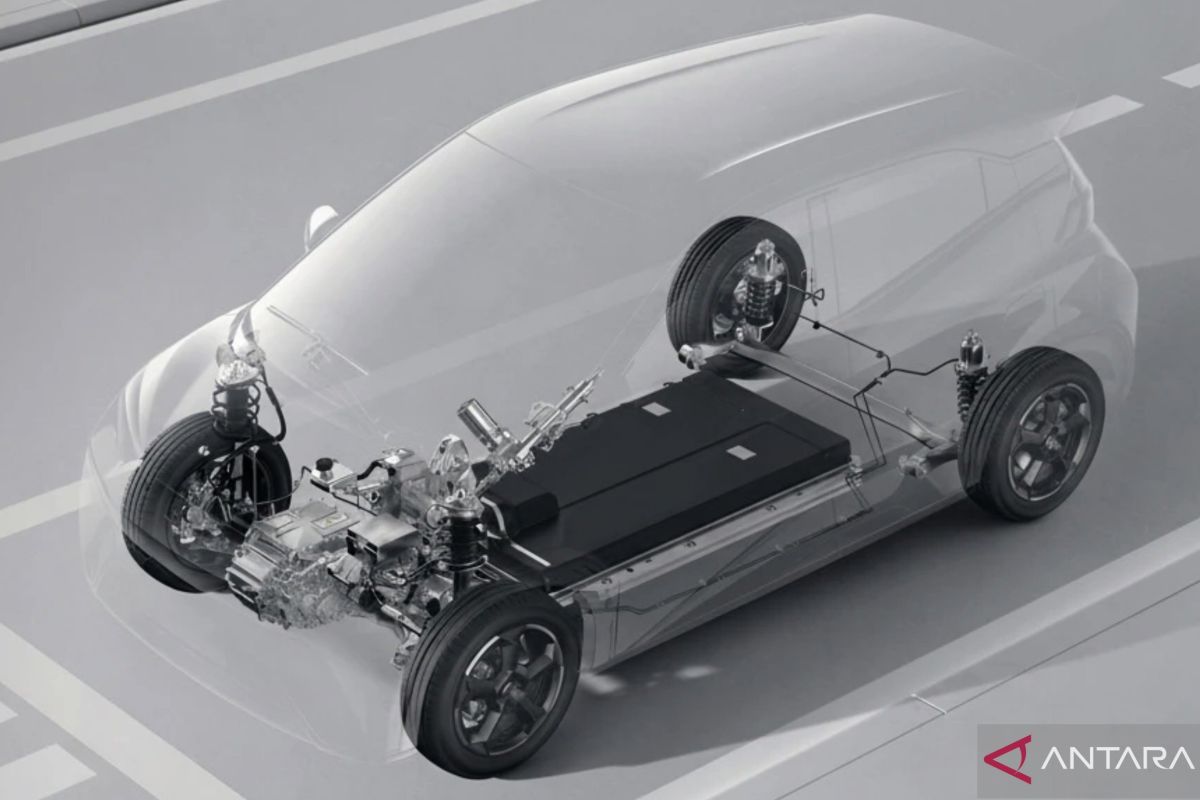
The Chinese government, through the Ministry of Industry and Information Technology, has launched a new policy aimed at standardizing the recycling of lithium-ion batteries used in electric vehicles. This step comes at a time when the need for effective battery lifecycle management is increasing, as China seeks to enhance environmental sustainability and reduce the negative impact of electronic waste.
The new policy includes a range of measures designed to expand the infrastructure for battery collection, strengthen the role of leading recycling companies, and introduce a digital monitoring system to track batteries throughout the recycling phases.
Details of the New Policy
The new policy provides clear guidelines for manufacturers, encouraging producers of electric bicycles and lithium batteries to collaborate with recycling companies to build a network for the temporary collection and storage of batteries. This model reflects a broader trend in the electric vehicle sector in China, where car manufacturers and battery suppliers are required to participate in managing batteries at the end of their lifecycle, including establishing channels for recycling services.
The policy also focuses on enhancing the role of major companies in the recycling sector, encouraging the Chinese recycling group to increase its capacity to recycle lithium batteries and implement a flexible model that meets regional needs.
Background & Context
This policy is part of China's ongoing efforts to promote environmental sustainability, as the government previously launched a national platform for tracking batteries. This platform requires companies in the sector to report data from production and usage stages to recycling, providing a unique digital identity for each battery and allowing for complete tracking throughout its lifecycle.
The Chinese government aims to build a closed management system that ensures effective monitoring of batteries, reflecting a larger trend towards regulating the electric vehicle sector in the country.
Impact & Consequences
This policy is considered an important step towards improving electronic waste management, as it contributes to reducing the environmental impact of electric vehicle batteries. By enhancing recycling efforts, China can benefit from the valuable raw materials found in used batteries, thereby reducing the need for extracting new materials.
This initiative also reflects China's commitment to transitioning towards a circular economy, where materials are reused instead of discarded. These policies are expected to lead to increased investments in the recycling sector, creating new job opportunities and fostering innovation in this field.
Regional Significance
These developments in China highlight the importance of the shift towards sustainability worldwide, including in the Arab region. With the growing reliance on electric vehicles in Arab countries, there may be an urgent need to develop similar strategies for managing lithium batteries.
Arab countries can benefit from China's experiences in developing effective battery recycling policies, contributing to environmental protection and promoting a green economy. Additionally, cooperation between Arab nations and China in this field could open new avenues for investment and technology.