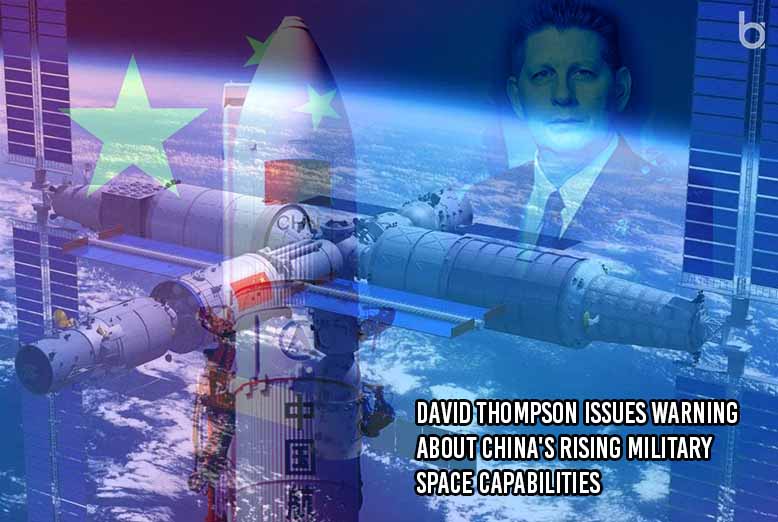
China is moving towards strengthening its military presence in space, with reports revealing plans to develop advanced technologies that include the capability to capture satellites and conduct strikes from space to Earth. These actions come at a time when tensions between Beijing and Washington are rising, raising concerns about global security.
The new Chinese strategies involve utilizing space technology for military purposes, reflecting a shift in how future conflicts may be managed. Beijing has shown an increasing interest in developing weapons capable of operating in space, which could change the rules of engagement in international conflicts.
Details of China's Space Military Plans
The Chinese plans encompass a range of systems aimed at enhancing control over outer space. These systems include advanced technologies for capturing satellites, allowing China to control the information and communications that other nations rely on. Reports also indicate the development of weapons capable of striking ground targets from space, complicating the global military landscape.
In recent years, China has significantly invested in space programs, launching several successful space missions, including sending astronauts to the Chinese space station. These achievements reflect Beijing's commitment to enhancing its capabilities in space for both peaceful and military purposes.
Background & Context
Historically, military space capabilities have been limited to major powers like the United States and Russia. However, China's entry into this domain signifies a significant shift in the global military balance. Since the beginning of the 21st century, China has been expanding its military capabilities, including the development of space technology.
These steps are part of a broader strategy aimed at enhancing China's status as a superpower on the international stage. As tensions with the United States escalate, military space capabilities have become a key focus in geopolitical conflicts.
Impact & Consequences
China's development of military capabilities in space could alter the rules of engagement in future conflicts. If Beijing achieves its objectives, it may lead to a new arms race in space, threatening global security and stability. This situation could also raise concerns among other nations, particularly those that rely on satellites for communications and surveillance.
There is growing apprehension that the militarization of space could escalate conflicts, making it essential to establish international mechanisms to regulate these activities. The absence of clear rules may increase the likelihood of conflicts in space, which could affect all countries.
Regional Significance
The developments in China's military capabilities in space are indicative of a shift in the global military balance, necessitating the attention of the international community. These advancements could compel other nations, especially those in the Asia-Pacific region, to reassess their security strategies and alliances in light of the changing geopolitical landscape.
As China continues to assert its influence in space, the implications for regional security and international relations will be profound, underscoring the need for collaborative efforts to ensure stability in this critical domain.