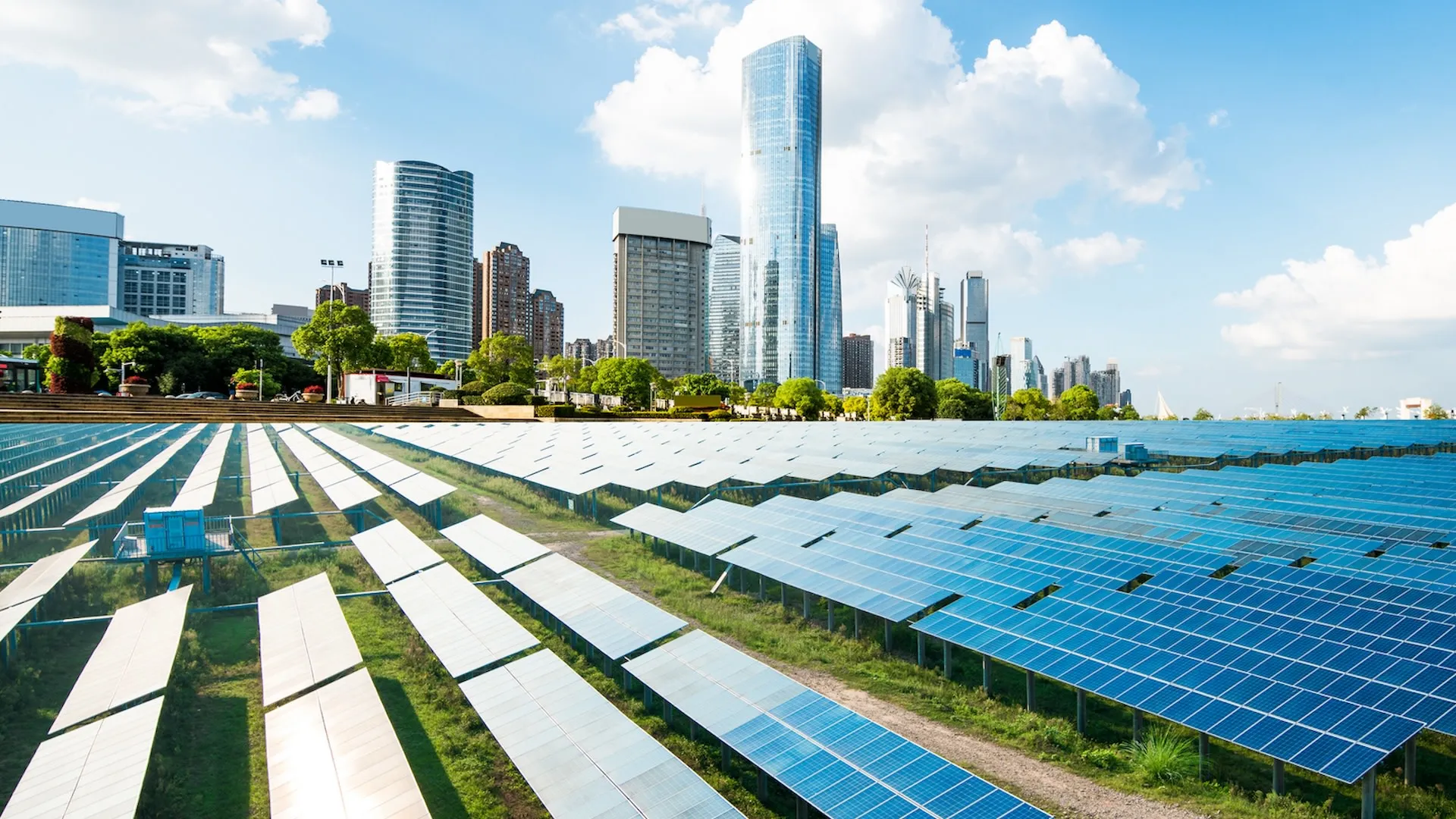
China is grappling with a growing crisis in the waste of renewable energy, with reports indicating that the country is approaching the limits relaxed by the government two years ago to accelerate the use of solar and wind energy. As China strives to achieve its ambitious clean energy goals, significant challenges appear to hinder this trend.
Data shows that the percentage of renewable energy wasted in China has risen significantly, raising concerns among experts about how to manage these resources more effectively. The Chinese government has taken steps to ease restrictions on renewable energy production, but these measures seem insufficient to address the current challenges.
Details of the Crisis
Reports indicate that China is wasting large amounts of renewable energy, as production is curtailed in some regions due to the inability to absorb this energy into the electrical grid. This situation necessitates massive investments in infrastructure to enhance the grid's capacity to handle increasing renewable energy sources.
Solar and wind energy are considered the primary sources that China relies on in its pursuit of environmental goals. However, the inability to fully absorb this energy leads to waste, raising questions about the effectiveness of current policies.
Background & Context
In recent years, China has taken serious steps to promote the use of renewable energy, becoming the world's largest producer of solar energy. However, rapid growth in this sector faces challenges related to managing the electrical grid. In 2021, the government eased restrictions on renewable energy production to encourage investment, but these steps appear to have been inadequate.
Historically, China has heavily relied on coal as a primary energy source, but with increasing environmental awareness, the government has begun transitioning to clean energy sources. This transition requires radical changes in how the electrical grid is managed to ensure that renewable energy is not wasted.
Impact & Consequences
The waste of renewable energy could have negative impacts on the Chinese economy, as it signifies the loss of significant investment opportunities. Additionally, the inability to absorb renewable energy may affect China's ability to meet its environmental goals, potentially leading to international criticism.
Moreover, this situation could impact China's reputation in clean energy innovation, as the country aims to be a leader in this field. If this problem persists, China may fall behind in its leadership in the renewable energy market.
Regional Significance
Managing renewable energy is a vital issue that affects both the economy and the environment, making this crisis in China of significant importance. Other countries, particularly in the Arab region, can learn from China's experience in improving renewable energy management.
As the world increasingly shifts towards sustainable energy solutions, the lessons learned from China's challenges could guide other nations in developing effective strategies to harness renewable energy without waste.