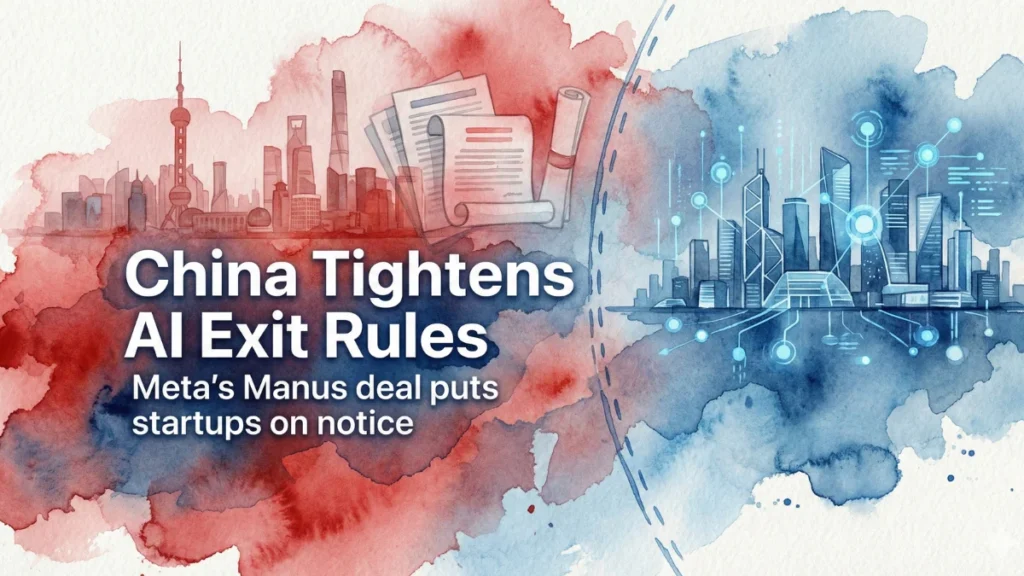
In a surprising move, the Chinese government has forced Meta, previously known as Facebook, to cancel a deal aimed at enhancing its capabilities in the field of artificial intelligence. This action comes at a sensitive time as China seeks to bolster its control over advanced technology, while Japan is experiencing a shift towards a tighter monetary policy, complicating the global economic landscape.
The canceled deal involved collaboration between Meta and Chinese companies to develop artificial intelligence technologies, raising concerns that this could lead to sensitive data or advanced technologies leaking outside of Chinese borders. Informed sources have confirmed that the Chinese government made this decision as part of its efforts to maintain control over advanced technology and protect its national interests.
Details of the Event
This move follows a series of measures taken by China in recent years to strengthen its control over the technology sector. The government has imposed strict restrictions on foreign companies seeking to enter the Chinese market, reflecting its desire to protect local firms and promote domestic innovation.
At the same time, Japan is witnessing a notable shift in its monetary policy, as the Bank of Japan has begun to take more stringent steps to combat rising inflation. This shift could impact global financial markets, including those in China and the United States, as Japan is considered one of the largest economies in the world.
Background & Context
Over the years, technology has become an integral part of the global economy, with major companies like Meta playing a pivotal role in developing innovations. However, geopolitical tensions between major countries, such as the United States and China, may lead to radical changes in how these companies operate.
Historically, China has sought to enhance its technological capabilities through cooperation with foreign companies, but in recent years, concerns have grown that such cooperation could lead to sensitive information leaks. Consequently, the Chinese government has taken stringent measures to ensure that this does not occur, resulting in the cancellation of the Meta deal.
Impact & Consequences
This step could have significant repercussions for global technology companies, as other firms may hesitate to enter partnerships with Chinese companies for fear of losing control over their technologies. Additionally, this development may impact innovation in the field of artificial intelligence, as companies could find it challenging to access the necessary resources to develop new technologies.
Furthermore, the tightening monetary policy in Japan could lead to increased borrowing costs, which may affect investments in the technology sector. This could result in a slowdown in economic growth in the region, negatively impacting global markets.
Regional Significance
Considering the potential impact of these developments on the Arab region, they may lead to changes in how Arab countries engage with major technology companies. Arab nations might need to reassess their strategies for attracting foreign investments, especially amid rising tensions between major powers.
These developments could also affect technological cooperation between Arab countries and China, as Arab companies may hesitate to enter partnerships with Chinese firms for fear of losing control over their technologies.
In conclusion, the cancellation of the Meta deal comes at a critical time, as tensions between major powers escalate. It is essential for Arab nations to closely monitor these developments and reassess their strategies in dealing with major technology companies.