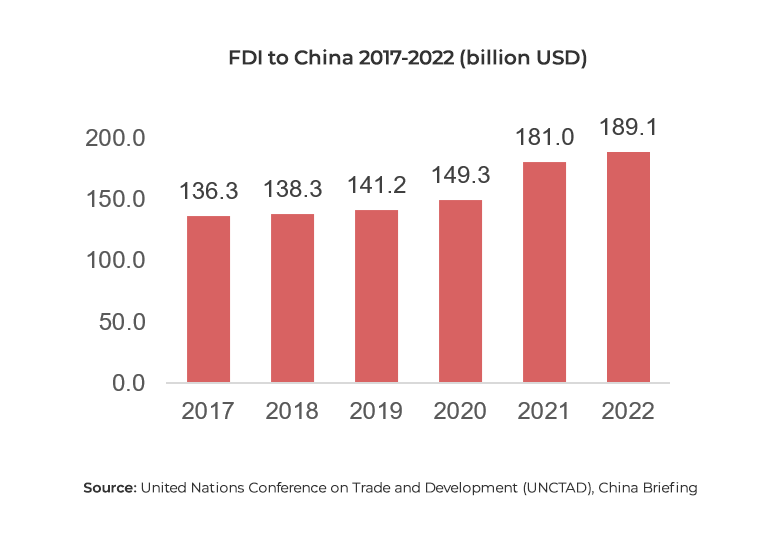
China has announced the raising of the foreign institutional investment quota, in a move considered the largest of its kind since 2021. This increase is part of the Chinese government's strategy to enhance the national economy and attract more foreign investments, reflecting Beijing's desire to open its markets to international investors.
Through this step, China aims to bolster confidence in the local economy, especially amid the global economic challenges it faces. Data has shown that the foreign institutional investment quota has increased significantly, reflecting a positive trend towards improving the business environment in the country.
Details of the Announcement
According to official reports, the Chinese government has raised the allowable quota for foreign investments by financial institutions, allowing them greater opportunities to invest in global markets. This move comes after a period of decline in foreign investments, as China sought to rebuild trust in the market following the COVID-19 pandemic.
This increase in the quota is part of China's broader plan to stimulate economic growth, as the government aims to attract more foreign direct investments, which are deemed essential to support the national economy amid current challenges.
Background & Context
Historically, China has been one of the largest destinations for foreign direct investment, but with increasing trade and political tensions, the country has witnessed a decline in investments. In recent years, the Chinese government has taken multiple steps to improve the business environment, including easing restrictions on foreign investments.
Despite the challenges, China remains an attractive market for investors, boasting a massive consumer base and sustainable economic growth. The increase in the foreign institutional investment quota reflects the government's commitment to improving the business environment and promoting economic growth.
Impact & Consequences
This move is expected to lead to an increase in the flow of foreign investments into China, which could contribute to enhancing economic growth and increasing job opportunities. Additionally, this trend may help improve economic relations with other countries, especially amid current trade tensions.
Furthermore, an increase in foreign investments could lead to improvements in innovation and technology within the Chinese market, as local companies can benefit from the expertise and knowledge brought by foreign investors.
Regional Significance
The increase in the foreign institutional investment quota in China is particularly significant for the Arab region, as it could open new avenues for economic cooperation between Arab countries and China. With the rise of Chinese investments in the region, Arab nations can benefit from Chinese expertise in areas such as infrastructure and technology.
Moreover, strengthening economic relations with China could contribute to achieving sustainable development in Arab countries, enhancing their ability to face economic and social challenges.
In conclusion, the increase in the foreign institutional investment quota in China represents a strategic step aimed at enhancing economic growth and attracting more investments. Amid global challenges, this move could serve as a new starting point for the Chinese economy, allowing it to regain its position as a primary destination for foreign investment.