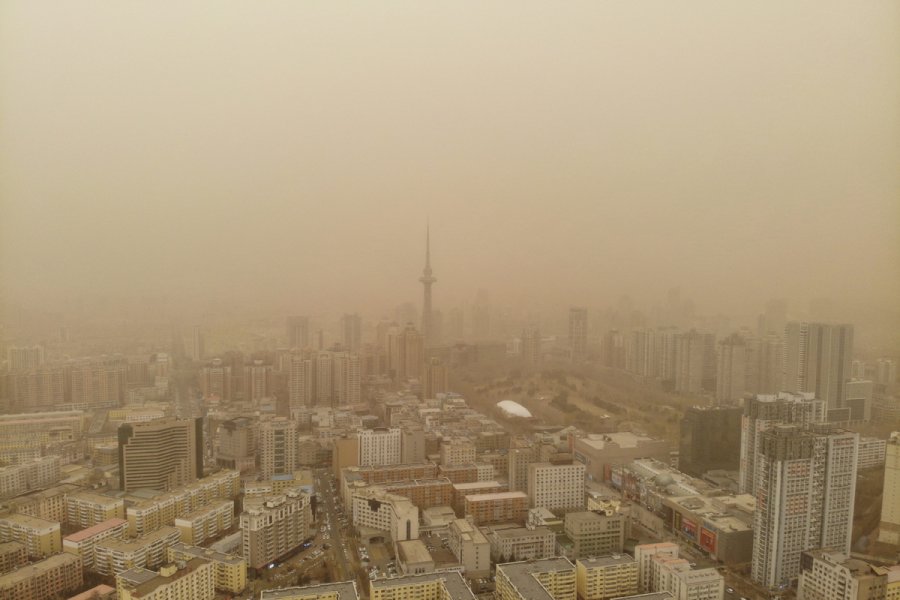
Chinese authorities have announced the issuance of blue alerts to address widespread sandstorms and strong winds affecting various regions of the country. This initiative is part of the government's efforts to protect citizens and ensure their safety, as these weather conditions are expected to impact daily life in several areas.
Weather forecasts predict that some areas in northern China, including the capital Beijing, will experience strong winds reaching speeds of 60 kilometers per hour, which may significantly reduce visibility. Additionally, sandstorms are expected to deteriorate air quality, posing health risks to the population, especially for those suffering from respiratory issues.
Event Details
Sandstorms are a common natural phenomenon in China, particularly in desert and northern regions. The Chinese Meteorological Administration has issued warnings, indicating that these storms may last for several days, necessitating special precautions from residents. Citizens have been advised to avoid going out unless necessary and to wear masks to prevent inhaling dust.
The government's measures also include enhancing transportation services and providing necessary information to citizens on how to cope with these conditions. Emergency teams have been deployed in the most affected areas to ensure a rapid response to any emergencies.
Background & Context
China faces significant environmental challenges, with sandstorms frequently affecting many regions, especially in spring. Part of this phenomenon is attributed to climate change and human activities such as desertification and urban expansion. Studies have shown that sandstorms can impact agriculture, transportation, and public health.
In recent years, the Chinese government has taken numerous steps to combat these phenomena, including tree planting and improving land management. However, sandstorms continue to pose a major challenge, requiring sustainable strategies to address them.
Impact & Consequences
Sandstorms can have negative effects on the local economy, disrupting traffic and affecting businesses. Additionally, the deterioration of air quality can lead to an increase in respiratory illnesses, placing additional pressure on the healthcare system.
These conditions also require a response from the government and civil society, as everyone must work together to mitigate the risks associated with sandstorms. Public awareness of how to deal with these phenomena can contribute to reducing damage.
Regional Significance
Sandstorms are a common phenomenon in many Arab countries, particularly in desert areas. Therefore, China's experiences in dealing with these phenomena could be beneficial for Arab countries facing similar challenges. Arab nations can learn from China's strategies in managing sandstorms and improving air quality.
In conclusion, sandstorms remain a significant challenge that requires effective responses from governments and communities. International cooperation and knowledge exchange can contribute to enhancing the ability to cope with these natural phenomena.