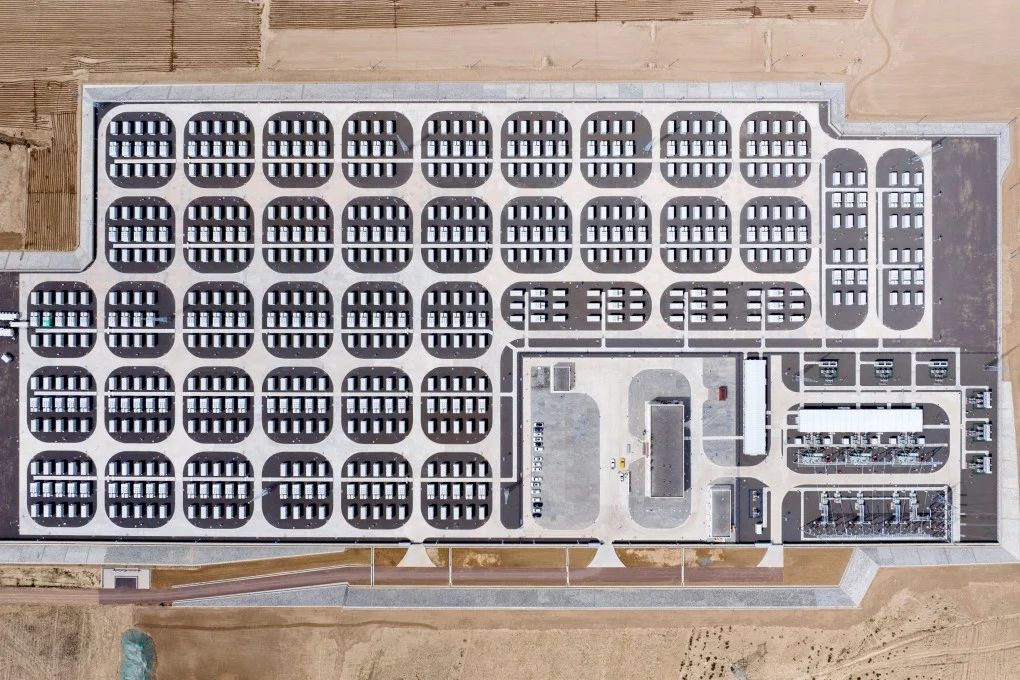
China has recently unveiled its ambitious plans to integrate artificial intelligence into the energy sector, with the government calling on local companies to initiate experimental projects designed to enhance the efficiency of electrical networks. This announcement comes at a time when global reliance on flexible energy systems is increasing, highlighting the significance of this sector in fostering innovation and competitiveness.
Through this initiative, Beijing aims to bolster the role of artificial intelligence in improving the performance of electrical networks. An official list of application scenarios has been released, encompassing a variety of fields, from smart grids to self-operating mines. These projects will enable companies to collaborate with AI technology providers to propose state-supported projects.
Details of the Initiative
The Chinese plans include launching experimental projects across multiple domains, which may involve utilizing AI technologies to enhance energy management and reduce losses in networks. These initiatives also aim to improve the efficiency of natural resource usage and achieve sustainability in the energy sector.
This step is part of China's broader strategy to promote technological innovation across various sectors, with the government aspiring to make the country a leader in artificial intelligence by 2030. These projects are expected to contribute to achieving sustainable development goals and boosting economic growth.
Background & Context
Historically, China's energy sector has undergone significant transformations, with the country heavily relying on coal as a primary energy source. As environmental pressures have increased, the government has begun taking steps toward transitioning to renewable energy sources. In this context, integrating artificial intelligence into the energy sector is a strategic move aimed at enhancing efficiency and reducing carbon emissions.
China is not alone in this endeavor, as many countries worldwide are seeking to leverage AI technologies to improve their energy systems. This trend reflects the importance of technological innovation in addressing environmental and economic challenges.
Impact & Consequences
These projects are expected to have positive effects on the Chinese economy, contributing to the creation of new job opportunities and fostering innovation. Additionally, improving the efficiency of electrical networks will help reduce operational costs and increase reliance on renewable energy sources.
Furthermore, these initiatives may enhance collaboration between Chinese companies and global technology providers, facilitating knowledge and expertise exchange. This collaboration could open new avenues for technological development in the energy sector.
Regional Significance
Looking at the Arab region, integrating artificial intelligence into the energy sector could have a significant impact. Many Arab countries are striving to improve energy efficiency and enhance sustainability, making the Chinese experiments a model to emulate. Arab nations can benefit from these experiences to develop their strategies in renewable energy and artificial intelligence.
In conclusion, this announcement represents an important step toward achieving a radical transformation in the energy sector and reflects China's commitment to enhancing innovation and sustainability in this field.