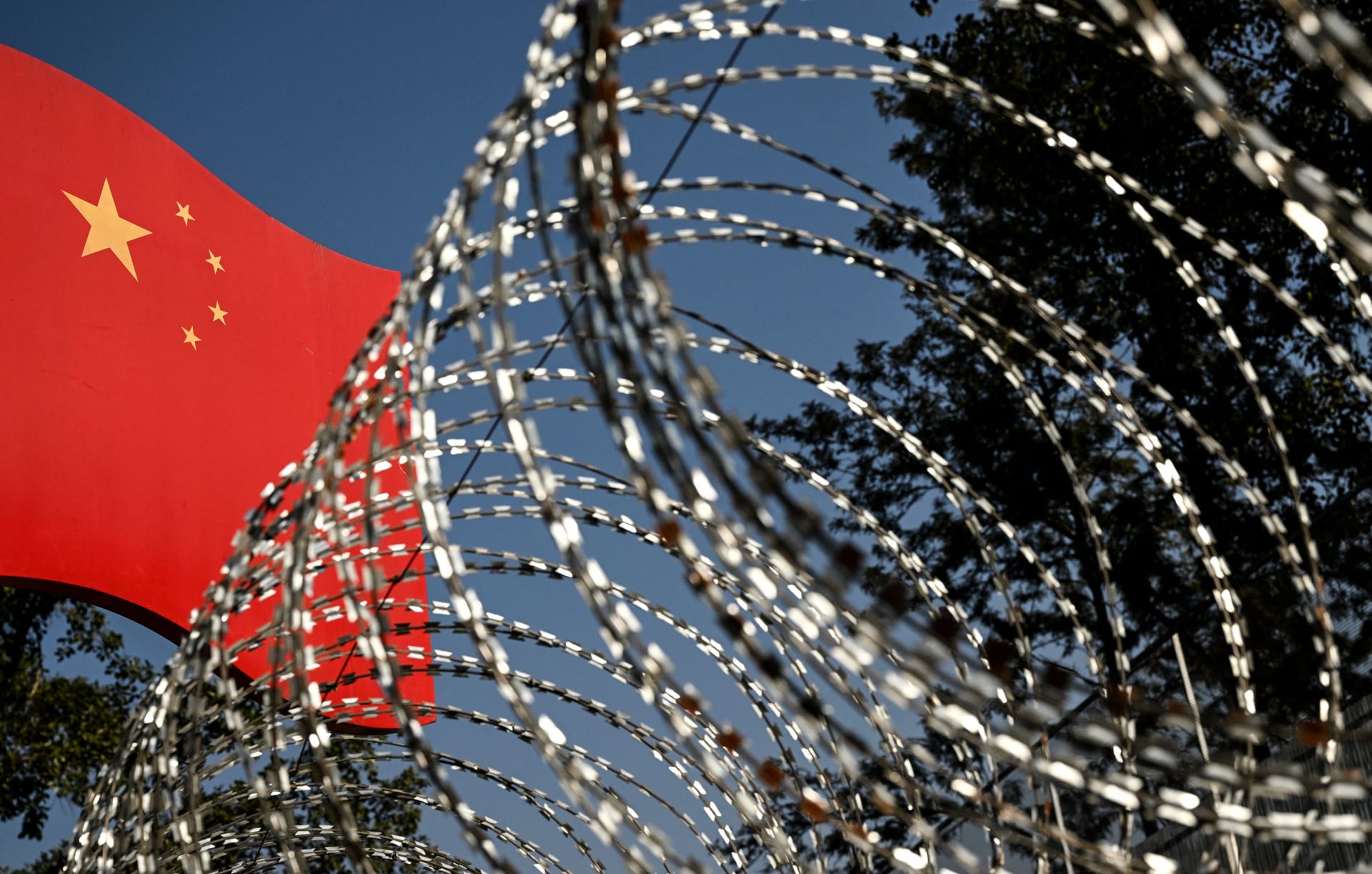
On Friday, China announced the initiation of two separate trade investigations against the United States. This move is a response to investigations launched by Washington earlier this month regarding allegations of Chinese trade practices, including forced labor.
This step comes at a sensitive time for trade relations between the two economic powers, as tensions between them have noticeably escalated. The American investigations announced earlier this month target trade practices that China is accused of engaging in, prompting strong reactions from Beijing.
Details of the Investigations
The Chinese Ministry of Commerce stated that it will open two investigations: the first relates to unfair trade practices, while the second focuses on allegations of forced labor. These investigations are part of China's defensive policy to protect its trade interests, as it views American actions as a threat to its economy.
On the other hand, the United States considers these investigations to be part of its efforts to protect workers' rights and combat forced labor, which raises significant concerns in the international community. Calls have increased in Washington for monitoring Chinese trade practices, especially amid reports indicating human rights violations in certain regions.
Background & Context
Historically, trade relations between China and the United States have experienced numerous fluctuations, with periods of cooperation and others of tension. Since the onset of the trade war between the two countries in 2018, the intensity of disputes has escalated, leading to mutual tariffs being imposed.
In recent years, concerns regarding human rights in China have increased, particularly in the Xinjiang region, where human rights organizations accuse the Chinese government of using forced labor against the Uyghur minority. These issues have significantly impacted bilateral relations, as the United States seeks to strengthen its position on the international stage by pressuring China.
Impact & Consequences
These investigations may lead to an escalation of trade tensions between the two countries, affecting global markets. Should new trade measures be implemented, global supply chains could be impacted, resulting in increased prices and shipment delays.
This move may also provoke reactions from U.S. allies, who may be concerned about the impact of these tensions on the stability of global markets. At the same time, China may use these investigations as a means to bolster its position in trade negotiations.
Regional Significance
Trade relations between China and Arab countries are significant, as China is one of the largest trading partners for many Arab nations. Any escalation in relations between China and the United States could impact Chinese investments in the region, potentially adversely affecting infrastructure and development projects.
Moreover, these tensions could influence oil and commodity prices, directly impacting Arab economies that heavily rely on oil exports.
In conclusion, China-U.S. relations remain under scrutiny, as any new developments could affect the global economic landscape in general and the Arab region in particular.