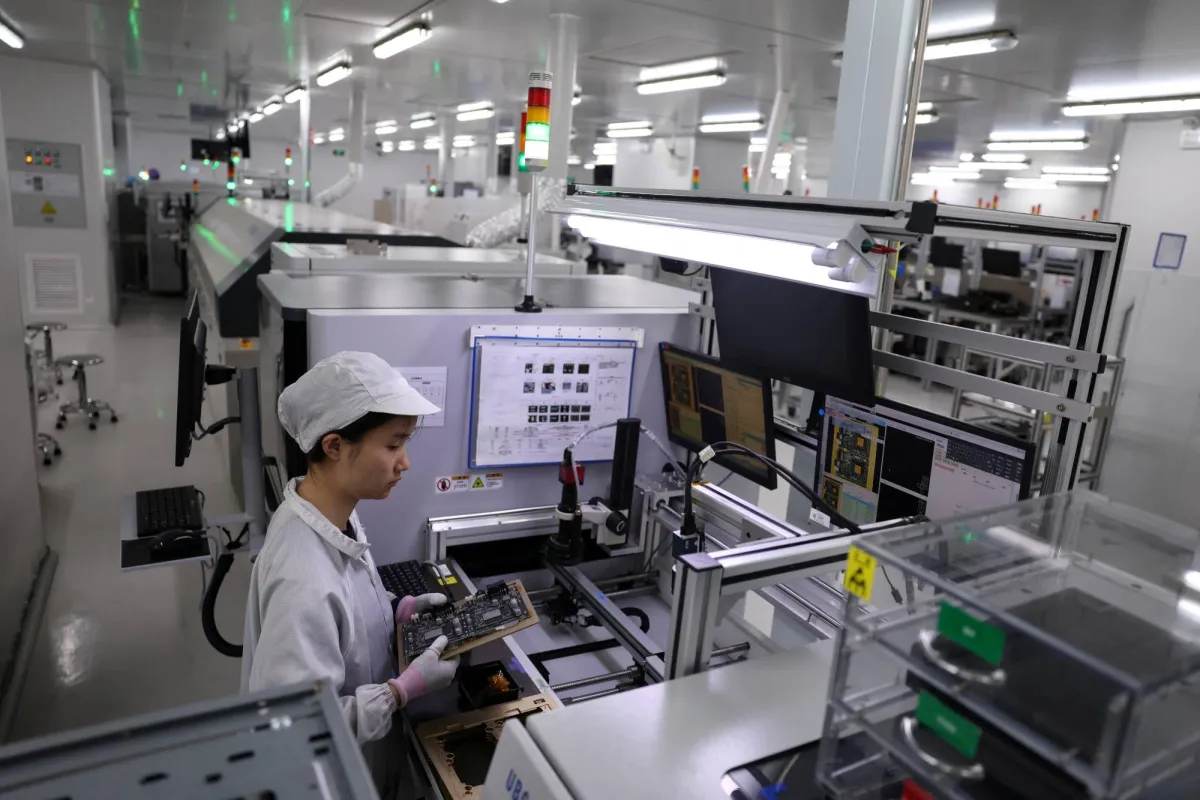
China's manufacturing sector experienced notable growth in March, with the Purchasing Managers' Index (PMI) jumping to 50.4, up from 49 in February. This improvement reflects a recovery in both domestic and foreign demand and comes at a time when the Chinese economy faces significant challenges due to supply chain disruptions and fluctuations in energy prices stemming from geopolitical conflicts.
The PMI results exceeded analysts' expectations, which had projected a figure of 50.1, indicating a return to expansion territory for industrial activity after months of contraction. Despite this improvement, concerns remain regarding the impact of rising oil prices on sustainable economic growth.
Event Details
According to Chi Wei Chang, chief economist at Pinpoint Asset Management, the outlook for the second quarter remains unclear, citing potential negative impacts from rising energy prices. He added that the market is increasingly worried about a slowdown in global growth and supply chain disruptions, which could adversely affect the Chinese economy.
Despite these challenges, the export sector continued to support growth during January and February, with China achieving a record trade surplus of $1.2 trillion last year, driven by global demand for electronics and semiconductors. The Chinese Ministry of Commerce confirmed that this momentum is expected to continue despite geopolitical disruptions.
Background & Context
These results come amid escalating tensions in the Middle East, where the war in Iran has led to a more than 70% increase in European gas prices since the conflict began. Although the European Union's supplies of crude oil and natural gas have not been directly affected by the closure of the Strait of Hormuz, concerns are rising about the supply of refined petroleum products.
In a message to EU energy ministers, Dan Jørgensen, the energy commissioner, warned of long-term disruptions in energy markets due to the conflict. He emphasized the need for governments to prepare for these challenges, reflecting Europe's heavy reliance on imported fuels and its impact on the European economy.
Impact & Consequences
Financial markets expect GDP growth in the first quarter to exceed 4.5%, which is the minimum target set by Beijing for this year. However, the ongoing war in the Middle East and rising energy prices raise questions about the economy's ability to maintain this momentum.
At the same time, inflation in the Eurozone is surpassing the European Central Bank's target of 2%, complicating monetary policy. While high energy prices hinder economic growth, they also signal the risk of an escalating inflationary spiral, putting additional pressure on policymakers.
Regional Significance
These developments suggest that the Chinese economy, one of the largest trading partners for many Arab nations, may be significantly affected by geopolitical tensions. Additionally, rising energy prices could impact the economies of Arab countries that rely on oil exports, necessitating proactive measures to adapt to these changes.
In conclusion, the economic situation in China remains under close observation, as the improvement in manufacturing activity may be temporary amid volatile global conditions. Policymakers in Beijing must take effective steps to ensure sustainable growth in the face of ongoing challenges.