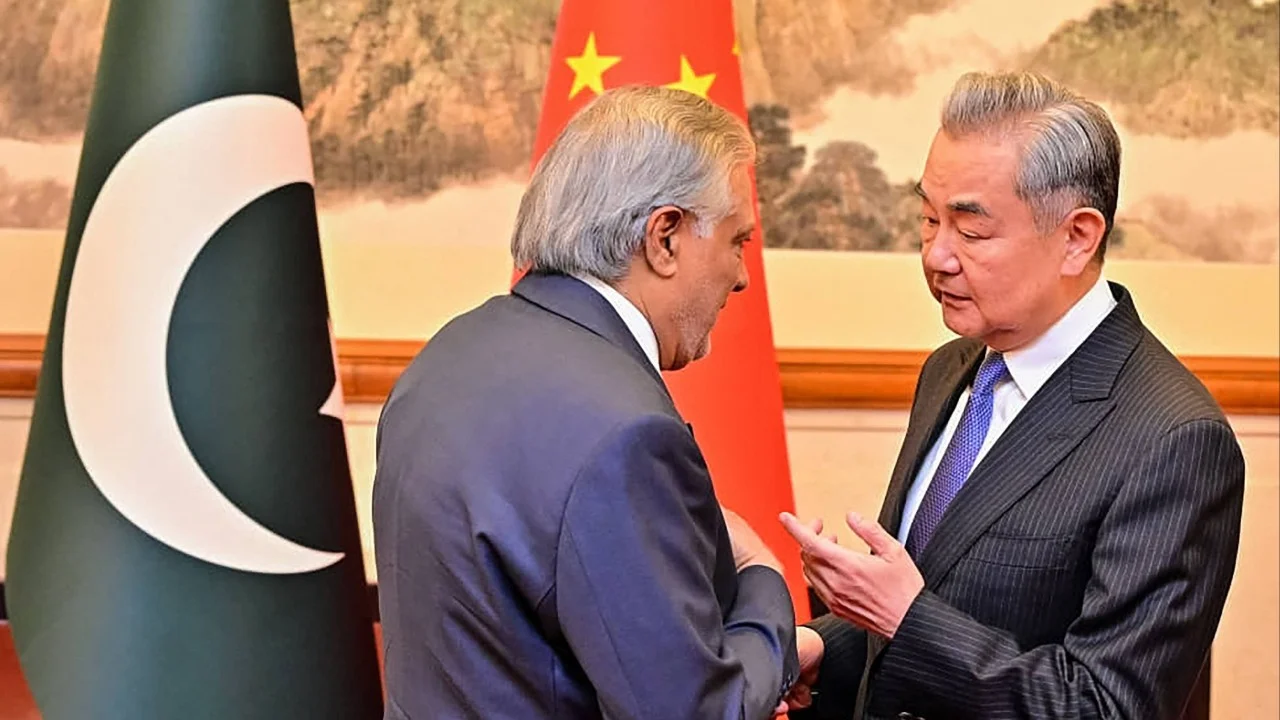
In a new move aimed at restoring stability in the Arabian Gulf region, China and Pakistan announced a joint five-point plan on Tuesday. This initiative follows five weeks of intense US-Israeli bombardment on Iran, which has escalated tensions in the area.
The plan seeks to achieve peace by enhancing dialogue among the concerned parties and providing humanitarian support to those affected by the conflict. It also includes a call for all parties to exercise restraint and refrain from any further military escalation.
Details of the Initiative
The announced plan includes several key points, such as enhancing economic cooperation among the involved countries and providing humanitarian aid to those affected by the conflict. The plan also calls for direct talks between Iran and the concerned countries, including the United States and Israel, with the aim of reaching a peaceful resolution.
This initiative comes at a time when the region is experiencing heightened tensions, with ongoing military and political pressures on Iran, exacerbating the humanitarian situation in the country. Both China and Pakistan have emphasized the importance of dialogue as the only means to resolve disputes.
Context and Background
Historically, the Arabian Gulf region has witnessed numerous armed conflicts and political tensions, particularly between Iran and Western countries. Since the beginning of the year, tensions have notably escalated, with Iran experiencing repeated bombardments by US and Israeli forces. These events raise significant concerns in the region, where Gulf countries are on high alert.
China and Pakistan are among the countries seeking to enhance their roles in the region, with China aiming to expand its economic and political influence in the Middle East, while Pakistan seeks to strengthen its relations with neighboring countries. This joint plan reflects the commitment of both nations to achieve stability in the region.
Consequences and Impact
This initiative could potentially alleviate tensions in the region if implemented effectively. Cooperation between China and Pakistan may encourage other countries to join peace efforts, contributing to the restoration of security and stability in the Gulf.
On the other hand, the plan may face significant challenges, particularly from parties that may be reluctant to engage in dialogue with Iran. Therefore, the success of this initiative depends on the ability of both countries to persuade other parties of the importance of peace and cooperation.
Significance for the Arab Region
This initiative is of great importance to Arab countries, as the stability of the Arabian Gulf directly affects security and the economy in the region. The success of this plan could help alleviate pressures on Arab nations suffering from the repercussions of regional conflicts.
Moreover, enhancing cooperation between China and Pakistan could open new avenues for Arab countries in trade and investment, contributing to economic growth in the region.
In conclusion, the China-Pakistan plan represents a positive step towards achieving peace in the Arabian Gulf region, but its success relies on effective cooperation from all involved parties. Given the current circumstances, hope remains pinned on dialogue and understanding among nations to achieve the desired stability.