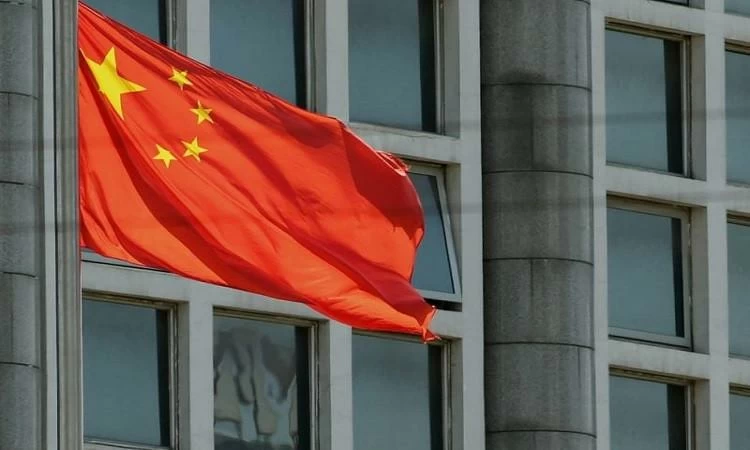
China has voiced its strong discontent regarding the European Union's decision to include Chinese companies and entities in the 20th package of sanctions imposed on Russia, labeling the move as "illegal and unjustified."
The Chinese Foreign Ministry and the Ministry of Commerce confirmed that the European decision contradicts the mutual understandings between the two sides and undermines mutual trust, warning of its repercussions on the stability of bilateral relations between Beijing and Brussels.
Details of the Event
On April 23, the European Union approved the 20th package of sanctions against Russia, aiming to limit its ability to finance the war in Ukraine by imposing restrictions on the energy, finance, and trade sectors. This package included the listing of 16 Chinese entities, along with companies from Uzbekistan, Kazakhstan, and Belarus, under the pretext of supplying dual-use goods or systems linked to the Russian military industries.
Brussels also imposed additional export restrictions on around 28 entities in several countries, including China, Turkey, and Thailand, as part of its efforts to curb circumvention of the sanctions imposed on Moscow.
Background & Context
China considers itself a non-party to the Ukrainian crisis and asserts that its economic cooperation with Russia is "legal and legitimate." Beijing has reiterated its rejection of unilateral sanctions that lack an international legal basis or UN mandate, arguing that they harm global energy security and economic cooperation.
In a reciprocal move, Beijing listed 7 European companies on its export control list, an action seen as a direct response to the European sanctions, reflecting the escalating tensions between the two sides.
Impact & Consequences
These European sanctions are viewed as a provocative step that could exacerbate tensions between China and the EU, with Beijing warning that this approach may lead relations down a "wrong path." China's response by including European companies in its control lists indicates its readiness to retaliate against any actions it deems unjust.
The current tensions may impact economic cooperation between China and European countries, potentially adversely affecting investments and trade between the two sides, especially amid volatile global economic conditions.
Regional Significance
The China-EU relationship is part of a broader geopolitical landscape that indirectly affects the Arab region. Any escalation in relations between China and the West may impact Chinese investments in Arab countries, particularly in infrastructure and energy projects.
Moreover, tensions among major powers could lead to a reshaping of alliances in the region, necessitating that Arab countries closely monitor developments.
In conclusion, as tensions rise between China and the EU, it remains crucial to observe how these relations evolve and their impact on the global economic and political landscape, especially in light of current crises.