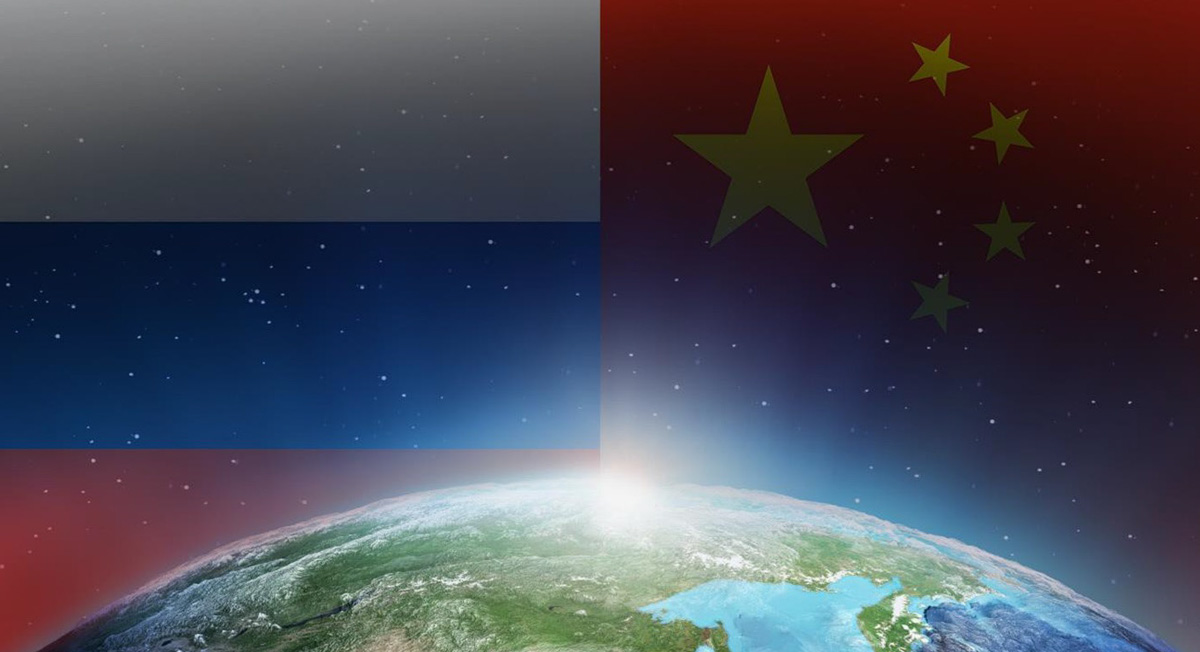
Chinese Foreign Minister Wang Yi announced on Sunday (April 5) that his country is prepared to collaborate with Russia within the framework of the United Nations Security Council to calm the tense situations in the Middle East. These remarks come at a time when the region is witnessing an escalation in conflicts, necessitating effective international intervention.
During a phone conversation with his Russian counterpart Sergey Lavrov, Wang emphasized the importance of the partnership between China and Russia in maintaining regional peace and stability, stressing the need for communication on key issues to enhance global security.
Details of the Event
In the conversation, Wang pointed out that China and Russia, as permanent members of the Security Council, must adhere to justice and truth in substantive issues. He also called for an objective and balanced approach to dealing with crises, while seeking greater support from the international community.
Wang added that China always advocates for resolving international and regional disputes through dialogue and negotiation, noting that the situation in the Middle East is worsening and hostilities continue to escalate. He affirmed that a fundamental solution to ensure navigation in the Strait of Hormuz requires achieving a ceasefire as soon as possible and ending wars.
Background & Context
Historically, the Middle East has been a theater for numerous armed conflicts that have impacted regional and international security. In recent years, the area has seen rising tensions due to ongoing conflicts, leading to negative repercussions on political and economic stability.
China and Russia are considered major powers seeking to enhance their roles in international affairs, especially in light of the challenges faced by the United States and its allies in the region. Cooperation between these two countries could alter the power dynamics in the Middle East.
Impact & Consequences
The Chinese-Russian cooperation in addressing crises in the Middle East could lead to a shift in the balance of power, potentially contributing to enhanced regional stability. This collaboration may also open the door to new political solutions for ongoing disputes.
This alliance might increase pressure on Western countries to engage more positively with the crises in the region, which could help achieve peaceful settlements. At the same time, Western nations may face new challenges in their foreign policies towards the Middle East.
Regional Significance
For Arab countries, the cooperation between China and Russia could mean new opportunities for economic and political collaboration. Arab nations could benefit from this alliance by strengthening their relations with these two powers, potentially contributing to development and stability.
In conclusion, the question remains how Arab countries will respond to this cooperation and whether they will seek to capitalize on the opportunities that may arise as a result.