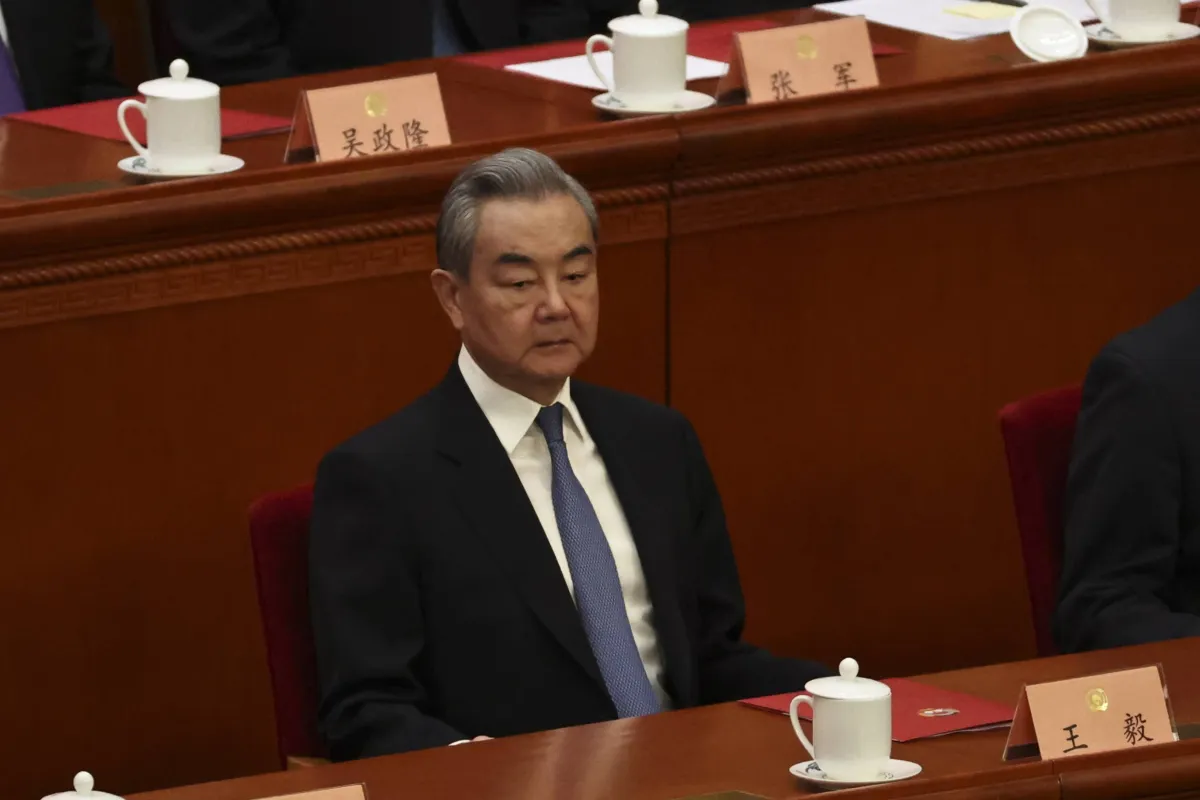
According to the Xinhua News Agency, Chinese Foreign Minister Wang Yi informed his Russian counterpart Sergey Lavrov during a phone call that China is prepared to continue its cooperation with Russia in the UN Security Council and to strengthen efforts aimed at calming the situation in the Middle East.
Wang pointed out that the fundamental solution to the navigation issues in the Strait of Hormuz is to reach a ceasefire as soon as possible. He emphasized that China has consistently called for a political settlement of the escalating issues through dialogue and negotiation, which aligns with its foreign policy.
Details of the Event
The phone call between the two ministers came ahead of an anticipated vote in the UN Security Council on a Bahraini draft resolution aimed at protecting commercial shipping in the Strait of Hormuz and its surroundings. This Chinese move reflects Beijing's desire to play a more active role in international affairs, especially in light of the increasing tensions in the region.
China seeks to bolster its position as a mediator in international crises, as evidenced by Wang Yi's communications with counterparts in several countries, including Iran and Saudi Arabia. Beijing also hopes to rally international support for its initiative, although some observers believe these efforts may be more than mere diplomatic statements.
Context and Background
These developments coincide with rising tensions in the Middle East, particularly in the Strait of Hormuz, which is considered a vital corridor for global oil trade. The region has recently witnessed an escalation in military actions, increasing the need for effective diplomatic efforts.
Historically, China has sought to enhance its relations with Middle Eastern countries, leveraging its position as a supporter of economic development and stability. However, the challenges China faces in this context include the tensions between the United States and Iran, and their impact on regional stability.
Impact and Consequences
If China succeeds in making progress in its diplomatic efforts, it could lead to improved relations among the involved countries and strengthen Beijing's position as an influential global power. Additionally, regional stability could positively affect the global economy, particularly in the energy sector.
However, questions remain regarding the seriousness of the United States in supporting Chinese initiatives, as Washington appears to prefer not to grant Beijing the opportunity for diplomatic success in the Middle East.
Impact on the Arab Region
These developments are significant for Arab countries, as stability in the Middle East directly affects security and the economy in the region. Chinese-Russian cooperation may open new avenues for Arab countries in dealing with crises and enhance opportunities for dialogue and negotiation.
In conclusion, the question remains regarding China's ability to achieve its diplomatic goals amid current tensions and how this will impact the situation in the Middle East.