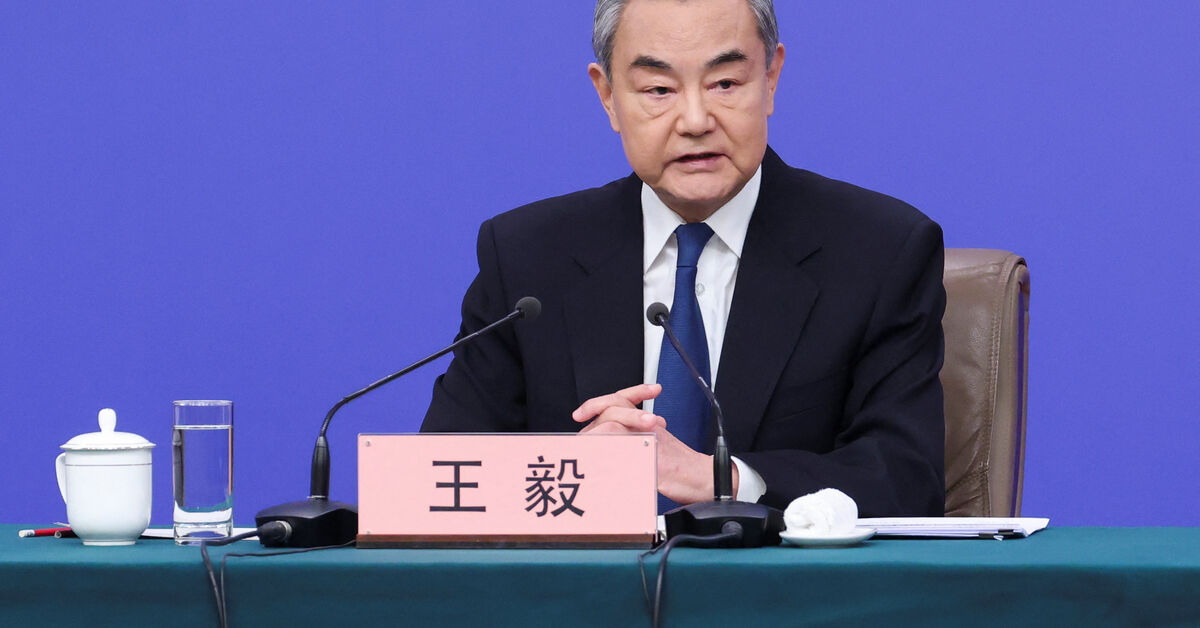
Chinese Foreign Minister Wang Yi announced during a phone call with his Russian counterpart Sergey Lavrov that China is ready to continue its cooperation with Russia in the UN Security Council as part of efforts aimed at calming the tense situations in the Middle East. Wang stressed that a fundamental solution to the navigation issues in the Strait of Hormuz requires achieving a ceasefire as soon as possible, noting that China always advocates resolving hot issues through dialogue and negotiation.
These statements come at a time when the Middle East is witnessing escalating tensions, particularly amid the multiple crises affecting countries in the region. China, which seeks to enhance its role as a global power, has shown increasing interest in Middle Eastern files, considering that stability in this region has a significant impact on international security.
Details of the Event
During the phone call, the two ministers discussed the current situation in the Middle East, where Wang pointed out the importance of international cooperation in addressing existing crises. He emphasized that China and Russia are working closely in the Security Council and are committed to promoting peace and security in the region.
The Chinese minister also expressed concern about the military escalation in the Strait of Hormuz, which is one of the most important waterways in the world, through which a large percentage of global oil supplies pass. He affirmed that China supports efforts aimed at achieving stability in this vital strait.
Background & Context
Historically, China and Russia have been allies on many international issues, with their relations dating back decades. In recent years, there has been a noticeable strengthening of cooperation between the two countries, especially in the fields of energy and trade. Additionally, China is one of the largest oil importers from the Middle East, making stability in this region vital for its economic interests.
In recent years, tensions in the Middle East have escalated due to armed conflicts and political crises, leading to multiple international interventions. China believes that political solutions are the only way to address these crises, aligning with its traditional stance in foreign policy.
Impact & Consequences
Wang Yi's statements may enhance cooperation between China and Russia on Middle Eastern issues, potentially altering the dynamics of conflict in the region. This cooperation could also contribute to reducing American influence in the Middle East, as China seeks to increase its role in conflict resolution.
This move may also affect relations between Gulf countries and China, potentially opening new avenues for economic and political cooperation. At the same time, these developments may raise concerns among some Western countries that view China and Russia as challenges to their traditional influence in the region.
Regional Significance
For Arab countries, cooperation between China and Russia could mean new opportunities for collaboration in various fields, such as energy and infrastructure. Moreover, stability in the Strait of Hormuz could contribute to enhancing regional security, benefiting all involved nations.
In conclusion, this cooperation between China and Russia represents an important step towards achieving stability in the Middle East and reflects new trends in international politics that seek to promote political solutions rather than military ones.