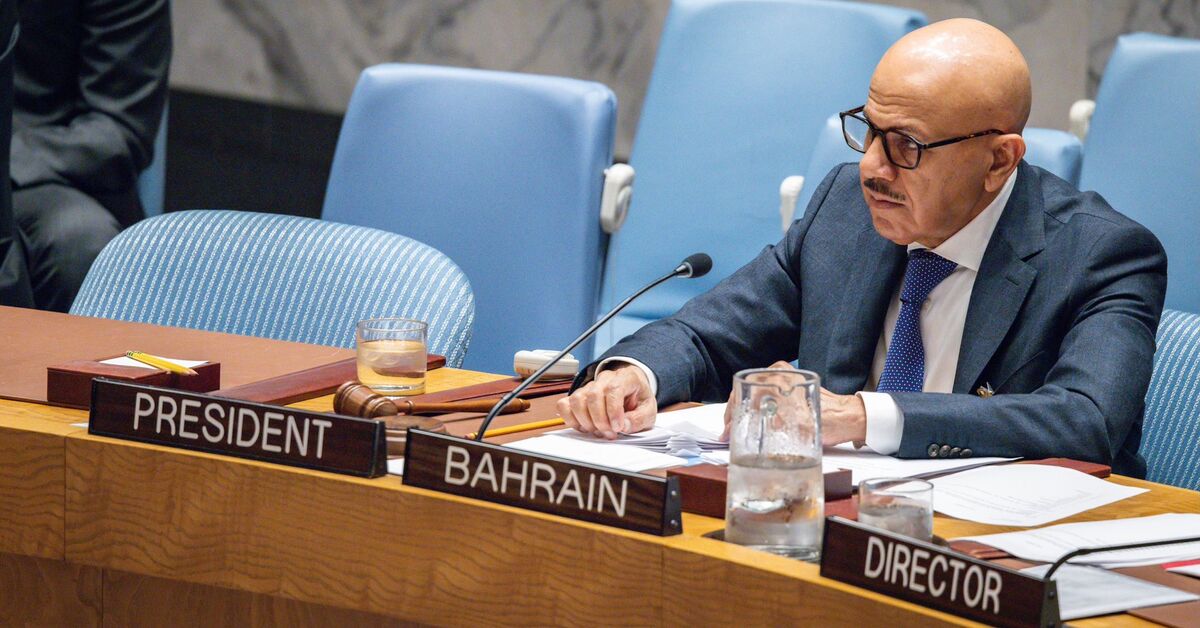
China and Russia have opposed a UN Security Council resolution aimed at reducing tensions in the Strait of Hormuz, just hours before a US deadline for Iran to reopen this vital passage. This move comes amid rising global tensions in the region.
The resolution that was voted on aimed to enhance security in the Strait of Hormuz, one of the world's most important maritime corridors, through which a significant percentage of global oil exports pass. This opposition raises questions about the positions of major powers regarding the escalating crises in the region.
Details of the Event
This step follows escalating tensions between Iran and the United States, as the latter seeks to pressure Tehran to reopen the Strait of Hormuz, which is considered the lifeline for the global economy. Observers have noted that the objections from China and Russia reflect the divergent international stances on the crises in the Middle East.
While the United States aims to bolster its military presence in the region, both China and Russia appear to be supporting Iran's position, complicating the political landscape in the area.
Background & Context
The Strait of Hormuz is a vital transit point for oil, with approximately 20% of total global oil exports passing through it. Historically, this strait has witnessed numerous crises and tensions, particularly amid disputes between Iran and the United States. In recent years, the intensity of these tensions has increased, leading to international calls for de-escalation.
Historically, China and Russia have been allies of Iran on various international issues, adding complexity to the situation in the Security Council. These countries have shown resilience in supporting Tehran against Western pressures, raising questions about the future of international relations in the region.
Impact & Consequences
These developments are expected to heighten tensions in the region, as the United States may feel its options are narrowing in the face of Iran. The objections from China and Russia could also reflect the growing influence of these countries in the Middle East, potentially affecting US policies in the area.
This opposition could also exacerbate security conditions in the Strait of Hormuz, impacting global oil prices and increasing instability in the markets. Furthermore, this move may strengthen Iran's position in future negotiations with major powers.
Regional Significance
The Arab countries neighboring the Strait of Hormuz, such as the United Arab Emirates and Saudi Arabia, are among the most affected by tensions in this area. Any escalation in the situation could directly impact their security and economic stability.
Additionally, these developments may lead to a reassessment of Arab countries' strategies in dealing with Iran, especially amid ongoing tensions. It is crucial for Arab nations to maintain close communication with major powers to safeguard their interests during these challenging times.
In conclusion, these events reflect the complexity of the political landscape in the region, where international interests intersect with regional issues, necessitating strategic positions from Arab countries to ensure their security and interests in the future.