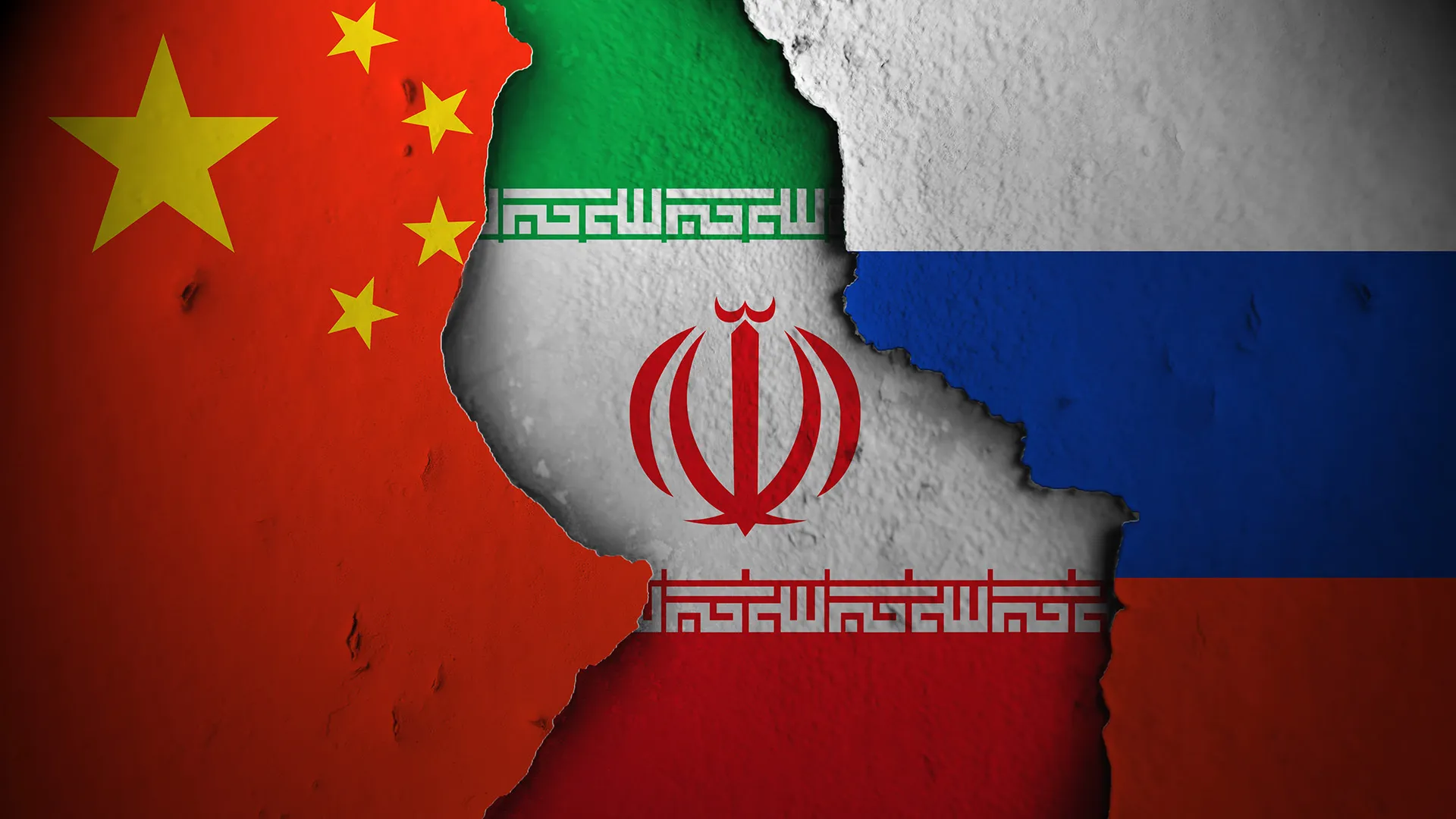
Regional tensions in the Middle East are intensifying, with notable escalations involving Iran's allies in Iraq, Lebanon, and Yemen. In this context, attention turns to the roles of the two major powers, China and Russia, in supporting Tehran against U.S. and Israeli military pressures.
China emerges as a key player, adopting a calm policy that balances its economic interests with diplomatic support for Iran. Since the escalation began, Beijing has not moved beyond diplomatic condemnation of U.S. and Israeli strikes, emphasizing the importance of respecting state sovereignty according to the United Nations Charter.
Details of the Event
Despite this diplomatic language, reports reveal Chinese-Iranian understandings ensuring the continued flow of oil through the Strait of Hormuz, reflecting Beijing's commitment to safeguarding its economic interests in the region. Furthermore, U.S. intelligence indicates that technical cooperation between the two countries has surpassed traditional trade, with Chinese companies like SMIC supplying entities linked to the Iranian military with precise equipment for manufacturing electronic chips, which is considered direct technical support enhancing Tehran's defensive capabilities.
Conversely, Russia appears as a field partner more attuned to Iran's military needs. With increasing cooperation in the field of drones, which have become a cornerstone in the Ukrainian war, Moscow seeks to strengthen its ties with Tehran. Although the Kremlin has categorically denied media reports suggesting that Iran is receiving intelligence data, the ground reality indicates an unprecedented integration of interests between the two parties.
Background & Context
Russia finds in Iran a strategic ally amid the ongoing war in Ukraine, as it seeks to break Western dominance through port connectivity projects and circumvent the hegemony of the U.S. dollar. By adopting local currencies in trade transactions among members of the BRICS and Shanghai blocs, Moscow aims to reduce reliance on the dollar and enhance economic cooperation with Tehran.
However, direct involvement in the conflict remains a red line for both Beijing and Moscow. China, wary of its global investments, avoids military confrontation, while Russia appears burdened by the ramifications of its Ukrainian front, limiting the support provided to Tehran to political, technical, and unannounced intelligence frameworks.
Impact & Consequences
The implications of this cooperation between Iran and its allies are manifold at both regional and international levels. While Tehran seeks to bolster its military and defensive capabilities, this collaboration may escalate tensions with Washington and Tel Aviv, threatening regional stability. Additionally, the continued Chinese and Russian support for Tehran could alter the balance of power in the Middle East and strengthen Iran's position against external pressures.
Moreover, this cooperation may impact relations between Arab states and Iran, as some countries may find themselves compelled to reassess their security and diplomatic strategies in light of this growing alliance.
Regional Significance
The diplomatic and military support from Beijing and Moscow for Iran poses a significant challenge to Arab states, potentially leading to increased tensions in the region. While some Arab nations seek to improve relations with Iran, they may face new challenges due to this escalating cooperation between Tehran and its allies.
In conclusion, the question remains about how effectively China and Russia can balance their support for Iran with their economic and political interests in the region. As tensions continue to rise, the dynamics of conflict in the Middle East may change in unprecedented ways.