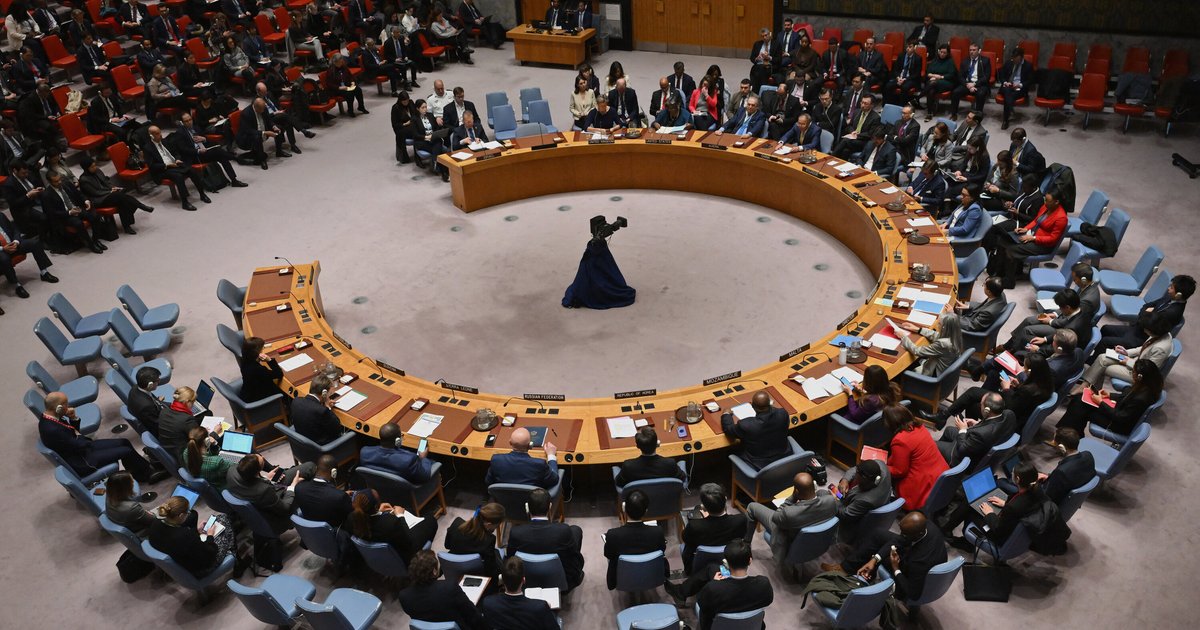
China and Russia exercised their veto power in the UN Security Council, leading to the rejection of a resolution proposed by Bahrain aimed at ensuring navigation security and opening the Strait of Hormuz. This resolution sought to enhance security in one of the world's most vital maritime corridors, which sees significant traffic of oil and goods.
This move comes at a sensitive time, as tensions in the region are escalating, with the Strait of Hormuz being a crucial transit point for approximately 20% of the world's total oil supply. The veto has raised questions about the influence of major powers on regional security issues.
Details of the Event
The resolution proposed by Bahrain aimed to enhance international cooperation to ensure the safety of navigation in the Strait of Hormuz. However, China and Russia argued that this proposal could escalate tensions in the region. The veto followed extensive consultations among Security Council member states, where some countries expressed support for the proposal, while China and Russia maintained that security issues should be addressed through dialogue and regional cooperation.
This veto reflects the differing positions among major powers on how to handle security issues in the region and indicates a clear divide in opinions on how to ensure security in the Strait of Hormuz.
Background & Context
The Strait of Hormuz is one of the most important maritime passages in the world, with millions of barrels of oil passing through it daily. Historically, the strait has witnessed numerous crises and conflicts, making it a constant point of tension between regional and international powers. In recent years, tensions have escalated between Iran and Western countries, increasing the importance of this maritime corridor.
Bahrain, as a small island nation, seeks to enhance its role in regional security issues and has considered the resolution a necessary step to ensure navigation safety. However, the veto exercised by China and Russia highlights the challenges faced by smaller nations in influencing international decisions.
Impact & Consequences
The rejection of the resolution may exacerbate tensions in the region, as neighboring countries might feel greater concern regarding navigation security. Additionally, this veto could affect Bahrain's relations with major powers, especially as Bahrain seeks to strengthen its security cooperation with Western nations.
Furthermore, this decision may increase pressure on other Arab countries to take clear stances on regional security issues, potentially contributing to the formation of new alliances or strengthening existing ones.
Regional Significance
This veto reflects larger challenges faced by Arab countries on the international stage, where interests among major powers vary. This situation may enhance the need for joint Arab strategies to ensure security and stability in the region.
Moreover, the ongoing tensions in the Strait of Hormuz could impact oil prices and global markets, directly affecting Arab economies that heavily rely on oil exports.
In conclusion, this event underscores the significance of the Strait of Hormuz as a central issue in international politics and highlights the need for comprehensive dialogue among nations to ensure navigation security in this vital area.