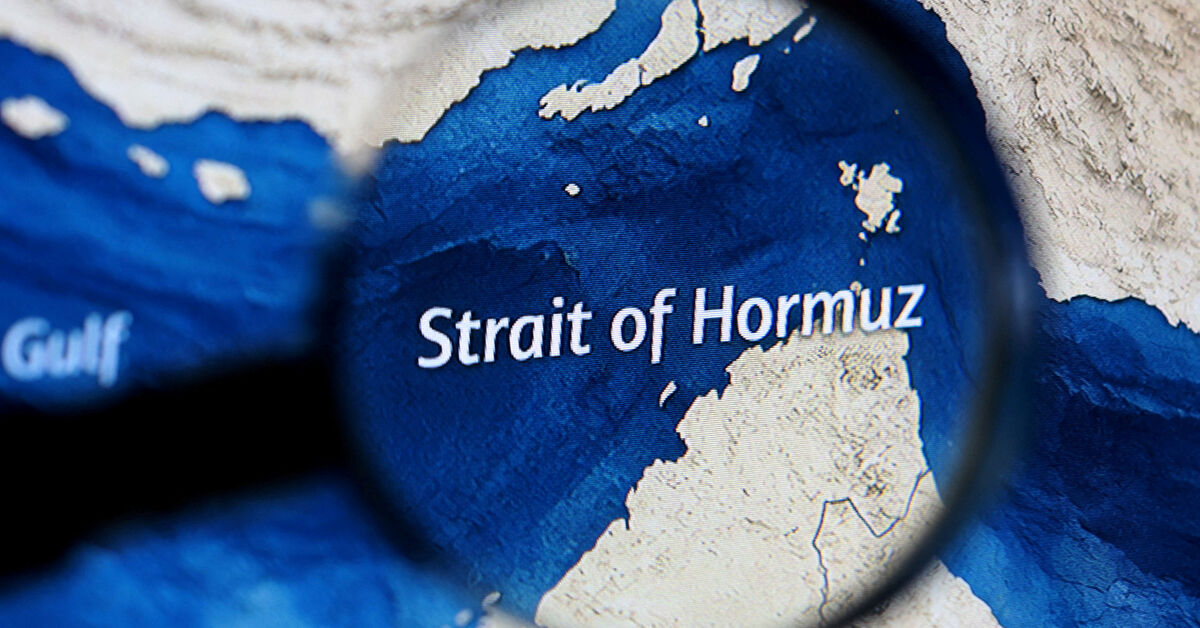
In a controversial vote, both China and Russia exercised their veto power against a resolution proposed by Bahrain in the UN Security Council, aimed at enhancing coordination among nations to protect commercial shipping in the Strait of Hormuz. The vote, which took place last Tuesday, resulted in support from 11 countries, while China and Russia opposed it, with two countries abstaining.
Bahraini Foreign Minister Abdul Latif bin Rashid Al Zayani stated that the resolution was not adopted due to the vote of one of the permanent members of the council against it. This move comes at a sensitive time, as the Strait of Hormuz is considered one of the most important maritime passages in the world, through which approximately 20% of the world's oil passes.
Details of the Event
The Bahraini resolution aimed to enhance cooperation among countries to protect commercial shipping in the Strait of Hormuz, which has witnessed rising military tensions in recent years. The vote in the UN Security Council revealed a clear division among member states, with China and Russia arguing that the resolution could escalate tensions in the region.
This veto comes at a time when the region is experiencing increasing tensions, particularly following a series of attacks on oil tankers in the strait, raising concerns about the impact on global oil markets. Furthermore, this decision reflects the shifting alliances in international politics, as some countries seek to bolster their influence in the region.
Background & Context
The Strait of Hormuz is a vital transit point for oil and natural gas, representing a lifeline for global economies. Historically, the strait has seen numerous political and military crises, with major powers competing for influence in this strategic area. In recent years, military activities in the region have increased, heightening the importance of protecting commercial shipping.
The current tensions in the area include escalating Iranian military activities, as well as responses from Western nations aiming to ensure the safety of navigation in the strait. These dynamics make the protection of shipping in Hormuz a critical issue on the international stage.
Impact & Consequences
This move by China and Russia could exacerbate conditions in the region, potentially negatively affecting global oil prices. If tensions persist, countries may enhance their military presence in the area, increasing the likelihood of clashes.
Moreover, the veto exercised by China and Russia may reflect new alliances in international politics, as these nations seek to strengthen their roles in countering Western dominance. This situation could influence the strategies of other countries in the region, including Arab nations that heavily rely on stable oil prices.
Regional Significance
For Arab countries, any escalation of tensions in the Strait of Hormuz could directly impact their economies, as many of these nations depend on oil exports. Additionally, these events may lead to a reassessment of national security strategies for Arab states, particularly those located near the strait.
In conclusion, the veto exercised by China and Russia against the Bahraini resolution signifies the increasing tensions in the region and reflects the challenges faced by nations in ensuring the safety of navigation in the Strait of Hormuz. It is crucial for Arab countries to remain vigilant regarding these developments and to work on enhancing their cooperation to protect their economic interests.