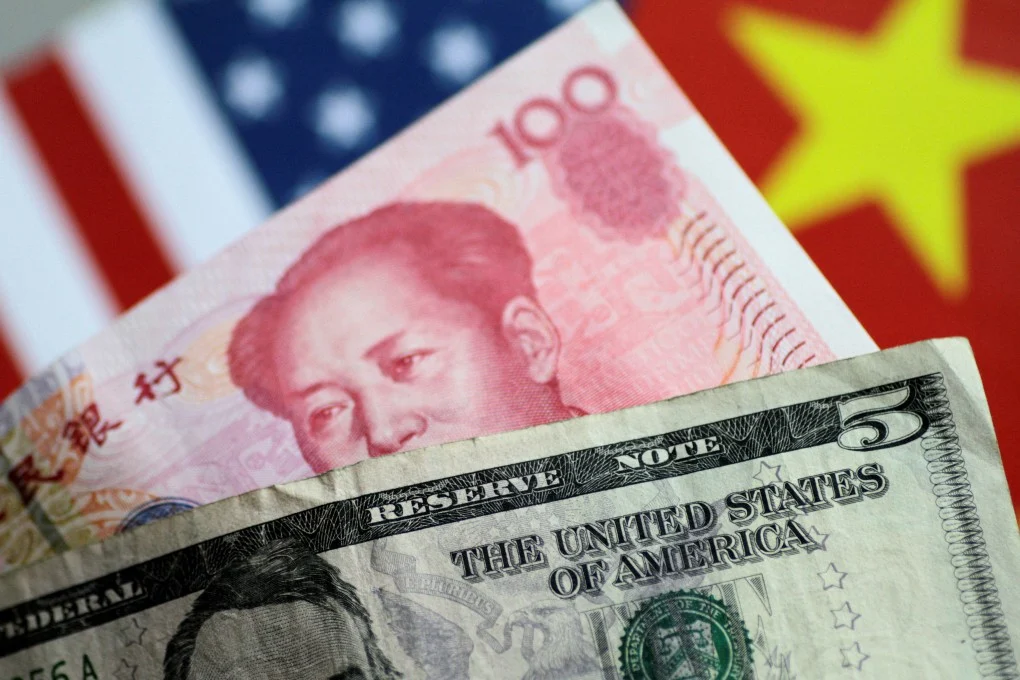
Charles Evans, the former president of the Federal Reserve Bank of Chicago, emphasized that China has a unique opportunity to enhance its currency, the yuan, on the global stage by developing its local financial markets. These remarks come at a time when discussions are intensifying on how to transform the yuan into a global currency amidst the economic and political challenges facing China.
Evans pointed out that past experiences with the U.S. dollar and the euro provide valuable lessons that China can leverage. Developing local financial markets is a crucial step to make the yuan more attractive to international investors.
Event Details
Currently, all eyes are on how China will exploit this opportunity, especially in light of global economic changes. In recent years, there has been a growing interest from China in enhancing the role of the yuan internationally, reflecting its desire to reduce reliance on the U.S. dollar.
Steps that China could take include enhancing transparency in its financial markets and providing a more attractive investment environment for foreign investors. These measures could also contribute to increasing the use of the yuan in international trade.
Background & Context
Historically, the U.S. dollar has been the dominant currency in global trade, but with China's rise as a major economic power, discussions have begun regarding the potential emergence of other currencies to compete with the dollar. The yuan, which has been included in the International Monetary Fund (IMF) currency basket, represents a significant step toward achieving this goal.
In recent years, China has taken several steps to bolster the yuan, including launching programs to facilitate its use in international trade and expanding its reach in global financial markets. However, significant challenges remain, including concerns over transparency and governance in its financial markets.
Impact & Consequences
If China succeeds in strengthening the yuan as a global currency, it could lead to significant changes in the global financial system. This may reduce the dominance of the U.S. dollar, potentially impacting the economic policies of other countries.
Furthermore, broader use of the yuan could lead to increased Chinese investments abroad, enhancing China's status as a global economic power. However, this requires substantial efforts from the Chinese government to ensure the stability of its currency and attract foreign investments.
Regional Significance
For Arab countries, strengthening the yuan as a global currency could open new avenues for trade and investment. This could lead to increased economic cooperation with China, which is considered one of the largest trading partners for many Arab nations.
Additionally, using the yuan in trade with China could help reduce reliance on the dollar, thereby enhancing the economic independence of Arab countries. However, this necessitates careful consideration of the challenges and opportunities that may arise as a result.
In conclusion, strengthening the yuan as a global currency presents both a challenge and an opportunity. It requires ongoing efforts from China, along with effective responses from other countries to ensure the stability of the global financial system.