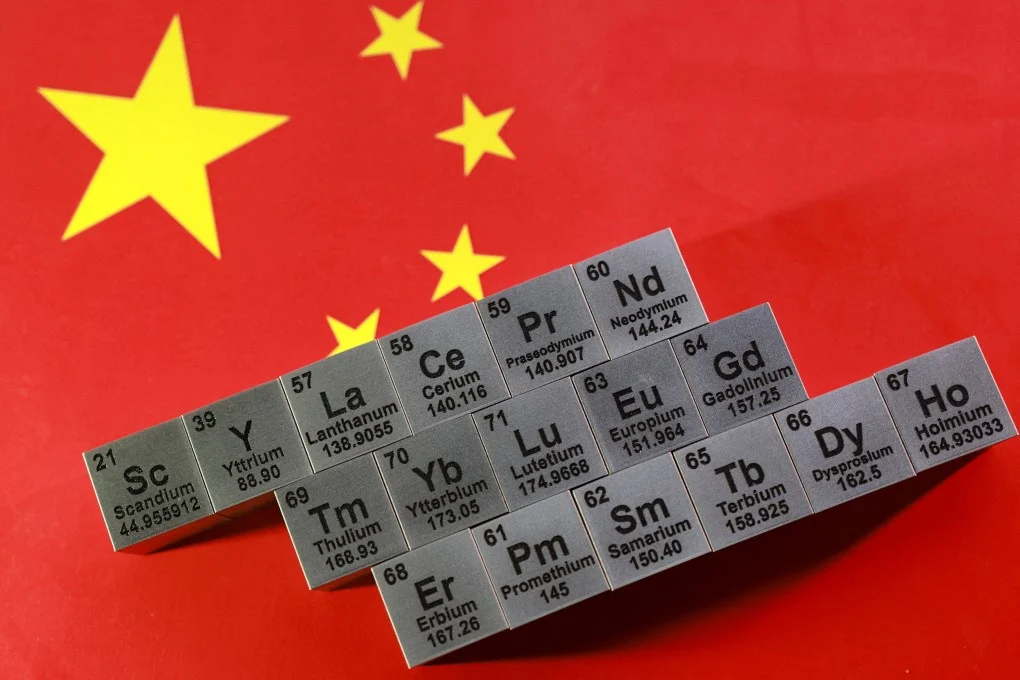
In a move reflecting its economic strength, China has revealed its monopoly over the world's largest reserves of 14 essential minerals, including rare minerals and graphite. This announcement was made during a press conference by the Ministry of Natural Resources, where the ministry confirmed that China will continue to accelerate its mineral exploration efforts during the 15th Five-Year Plan period, which extends from 2026 to 2030.
This step is part of China's strategy to enhance its control over the global supply chain, as the country seeks to secure its mineral resources amid increasing geopolitical tensions. The ministry emphasized that China will boost its investments in exploration and development, reflecting its commitment to enhancing resource security.
Event Details
Reports indicate that China possesses massive reserves of rare minerals, which are essential for advanced technology industries, including electronics and electric vehicles. Rare minerals are a vital component in the manufacturing of batteries and electric motors, making them a focal point of global interest.
Through this initiative, China aims to strengthen its position as a global power in the minerals sector, intending to increase investments in exploration and development projects. The ministry confirmed that these efforts will contribute to achieving sustainable development goals and enhancing economic growth in the country.
Background & Context
Historically, China has been enhancing its control over rare minerals for several years, becoming the largest producer and exporter of these minerals in the world. Government policies have supported this sector, allowing China to surpass its competitors in the global market.
In recent years, trade relations between China and the United States have experienced increasing tensions, prompting Beijing to bolster its strategies for securing its mineral resources. Additionally, competition with other countries such as Australia and the United States for rare minerals has heightened the significance of this move.
Impact & Consequences
This step by China has significant implications for the global market, as it may affect the prices and distribution of rare minerals. If China continues to strengthen its control over these minerals, other countries may face challenges in securing their needs for these vital resources.
Moreover, this policy could lead to increased trade tensions between China and other nations, especially amid growing competition for natural resources. This move may raise concerns that China could use its dominance over rare minerals as a leverage tool in trade and political disputes.
Regional Significance
For Arab countries, these developments could have multiple impacts. With the growing global reliance on rare minerals in modern industries, some Arab nations may seek to enhance their capabilities in this field. Additionally, collaboration with China on mining projects may become a strategic option for Arab countries.
Furthermore, these developments could lead to increased interest in investing in the minerals sector in the region, potentially contributing to achieving sustainable economic development.
In conclusion, China's enhancement of its dominance over rare minerals represents a strategic step with far-reaching implications for the global economy, prompting other countries to reconsider their strategies for securing their mineral resources.