The British newspaper 'Telegraph' has revealed in an analysis of shipping data that China is still supplying Iran with significant amounts of essential chemicals necessary for producing ballistic missile fuel. These shipments come at a sensitive time as the region witnesses escalating military tensions.
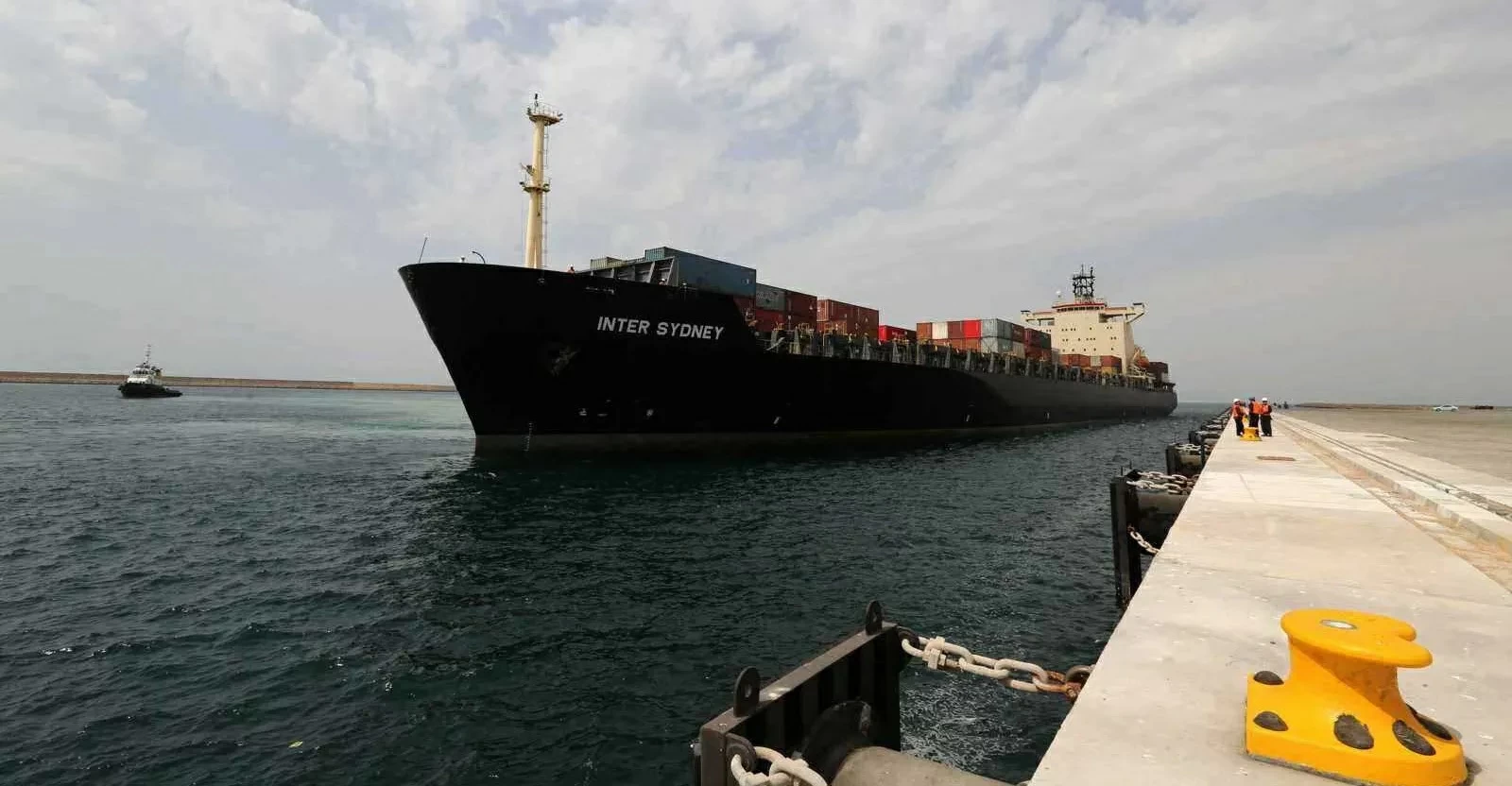
According to the report, four Iranian ships, which are under international sanctions, have docked at Tehran's ports since the beginning of the conflict, while a fifth ship was anchored off its shores. It is believed that these vessels are carrying sodium perchlorate, a key ingredient in the production of solid fuel for ballistic missiles.
Details of the Shipments
The report states that the ships departed from the Gaolan Port in Zhuhai, China, which is considered one of the largest liquid chemical storage facilities in the country. The analysis, reviewed by specialized experts, indicates that the quantities transported are sufficient to produce hundreds of ballistic missiles.
The five ships belong to the Iranian shipping fleet, which is subject to American, British, and European sanctions. Among these vessels is the Hamouna, which left on February 19, about a week before the conflict erupted, and arrived at Bandar Abbas on March 26 after a five-week journey. The other ships, namely Barzin, Shabdis, and Rain, have been docked since March 22, while Zardis was set to arrive on April 2.
Background & Context
These shipments come at a time when the world is witnessing heightened tensions between Iran and the West, especially following sanctions imposed on Tehran due to its nuclear program. Experts have noted that these new shipments are larger than previous ones in early 2025, which were sufficient to produce between 102 and 157 missiles.
If these quantities are used as a benchmark, it is believed that Iran has imported enough to produce approximately 785 additional missiles, meaning that Tehran could launch between 10 and 30 missiles daily for another full month. These figures reflect Iran's ability to bolster its military arsenal despite international pressures.
Impact & Consequences
Despite the difficulty in tracking the ships due to the suspension of automatic tracking systems and changes in declared names and destinations, the analysis confirms that China is facilitating the delivery of raw materials to Iran by sea, and possibly by land in the future. This dynamic suggests that the relationship between Beijing and Tehran extends beyond mere trade, encompassing military support as well.
Former U.S. Treasury official, Mayad Maleki, stated that these shipments represent a clear indicator that Iran is striving to replenish and address the acute shortage in its missile fuel and munitions stockpiles. Meanwhile, arms control expert Professor Jeffrey Lewis noted that the presence of these shipments indicates that Iran still maintains missile production capabilities despite ongoing bombardments.
Regional Significance
This development reflects the increasing security challenges in the region, where enhancing Iran's missile capabilities could escalate tensions with neighboring countries. Furthermore, the continued cooperation between China and Iran may impact the strategies of major powers in the Middle East, necessitating a reassessment of the security policies of Arab states.
In conclusion, these shipments remain a sign of ongoing tensions in the region, highlighting the challenges faced by Arab nations in confronting potential threats from Iran.