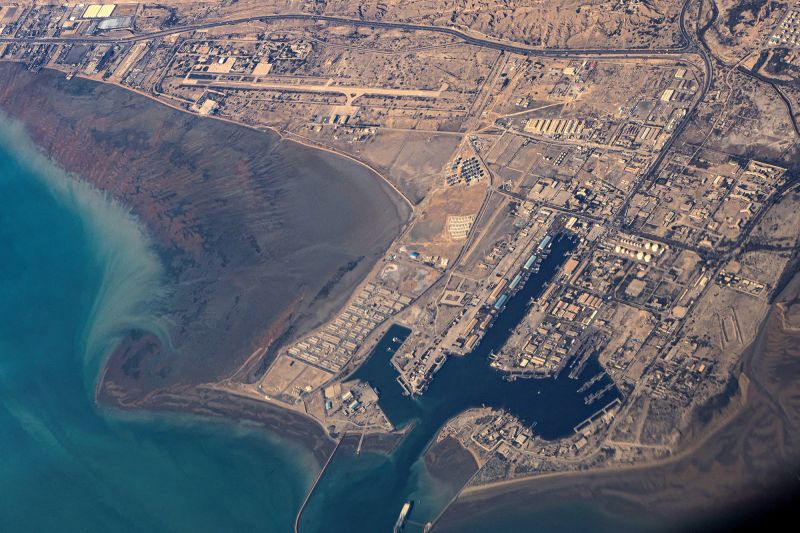
The Chinese government has urged Iran to reopen the Strait of Hormuz to maritime traffic, highlighting the importance of this vital corridor in enhancing global trade. Beijing also called on the United States to lift the maritime blockade imposed on Iran, asserting that this would contribute to stability in the region.
The Strait of Hormuz is one of the most crucial maritime passages in the world, through which approximately 20% of the world's total oil supply passes. The region has experienced escalating tensions in recent years, affecting maritime traffic and leading to rising oil prices.
Details of the Appeal
China's call came as part of its efforts to strengthen its relations with Tehran, especially amid ongoing tensions between Iran and the United States. The Chinese Foreign Ministry confirmed that reopening the strait would help enhance maritime security and bolster economic stability in the region.
At the same time, China emphasized the necessity of dialogue and understanding among all concerned parties, stressing that military solutions would only exacerbate the situation. It also called for respect for the rights of nations in maritime navigation.
Background & Context
Historically, the Strait of Hormuz has witnessed numerous crises, serving as a theater for several confrontations between Iranian and American forces. In recent years, tensions have escalated due to economic sanctions imposed on Iran, leading to threats from Tehran to close the strait.
As an emerging economic power, China seeks to enhance its influence in the region by supporting Iran, which it considers a strategic partner in the energy sector. Additionally, Beijing aims to secure the energy supplies necessary for its sustainable economic growth.
Impact & Consequences
If Iran responds positively to China's appeal, it could lead to a de-escalation of tensions in the region, contributing to the stabilization of oil prices. Moreover, lifting the US maritime blockade could pave the way for the resumption of maritime trade between Iran and other countries.
On the other hand, the United States may face new challenges in its policy towards Iran, as it would find itself under increasing international pressure to comply with global demands regarding freedom of navigation.
Regional Significance
The Strait of Hormuz is a vital artery for Arab oil-producing countries, as any changes in maritime traffic directly impact the Arab economy. Should conditions improve, this could lead to greater stability in oil markets, benefiting Gulf states.
In conclusion, China's call represents an important step toward enhancing regional and international cooperation, potentially contributing to lasting peace in a region plagued by ongoing tensions.