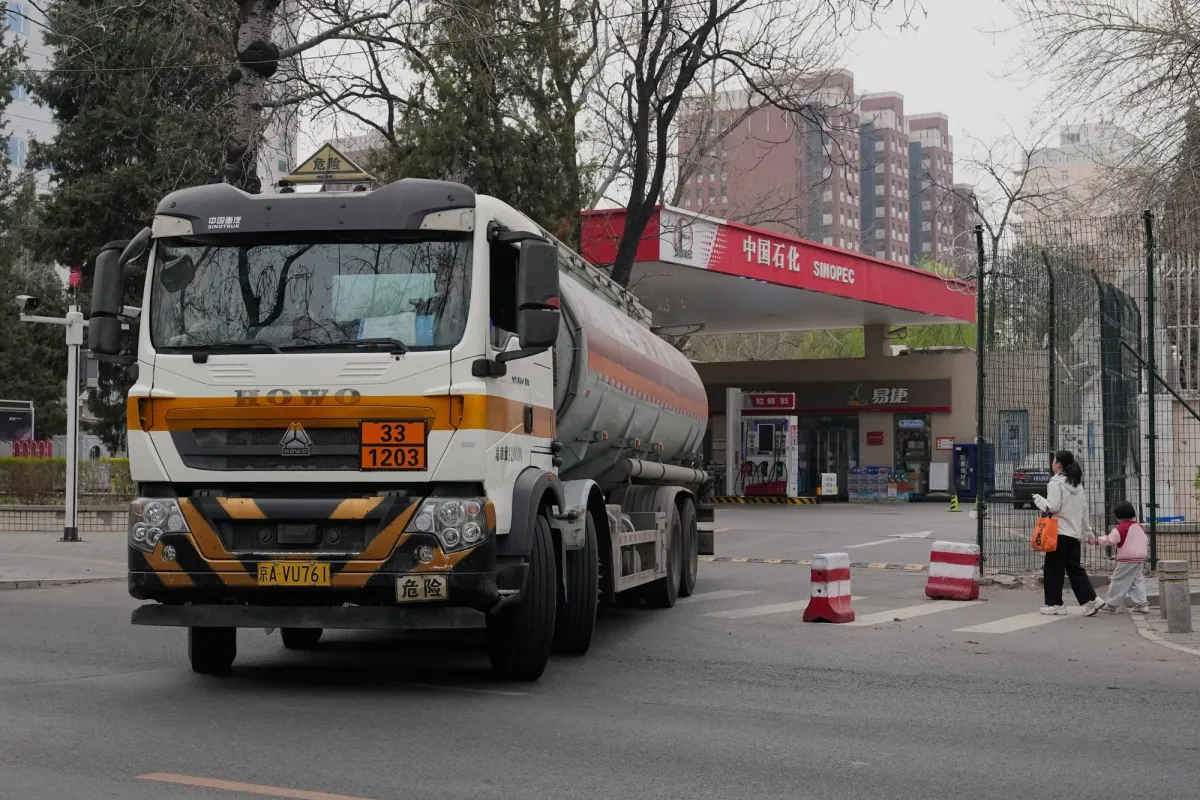
On Thursday, the Chinese government planning agency urged independent refineries to maintain fuel production rates and not to reduce them below the average levels of the past two years. This step is part of the government's efforts to protect local fuel supplies, especially in light of fluctuating global economic conditions.
This call coincides with expectations that smaller refineries may cut crude oil processing rates in April due to a sharp rise in oil prices stemming from the U.S.-Israeli conflict over Iran, in addition to continued weak domestic fuel demand.
Details of the Announcement
Informed sources reported that the National Development and Reform Commission of China conveyed this message during a meeting with independent refineries. The sources indicated that non-compliance with this request could lead to a reduction in crude oil import quotas, thereby increasing pressure on these refineries.
China regulates oil imports from its independent refineries, known as "teapot refineries," under a quota system. According to Energy Aspects, these refineries operated at about 55% of their production capacity during February and March.
Background & Context
In a related context, China halted refined fuel exports last month in an effort to avoid a potential fuel shortage amid escalating conflicts in the Middle East. These restrictions are expected to last until April, reflecting the Chinese government's concerns about the impact of the conflict on energy supplies.
At the same time, several Chinese airlines, including the national carrier Air China, announced an increase in fuel surcharges on domestic flights starting Sunday due to rising global oil prices. The surcharge will increase by 60 yuan (approximately $8.70) for flights covering up to 800 kilometers (about 500 miles), and by 120 yuan for longer flights.
Impact & Consequences
These developments indicate that rising oil prices could significantly affect the aviation sector in China, as companies will be forced to raise ticket prices to cope with increasing costs. This could lead to a decline in demand for air travel, negatively impacting company revenues.
Moreover, rising oil prices may increase inflationary pressures in the Chinese economy, which could prompt the government to take additional measures to stabilize the market. This presents a significant challenge for the Chinese government, which is seeking to achieve economic stability amid changing global conditions.
Regional Significance
The Arab region is significantly affected by tensions in the Middle East, where oil prices are a key factor influencing the economies of Arab countries. Rising oil prices due to conflicts may lead to increased oil revenues for some countries, but at the same time, it may create economic pressures on oil-importing nations.
In conclusion, these developments reflect the importance of stability in global energy markets and their direct impact on local economies. Concerned countries must take proactive steps to ensure the sustainability of energy supplies and mitigate the effects of price fluctuations.