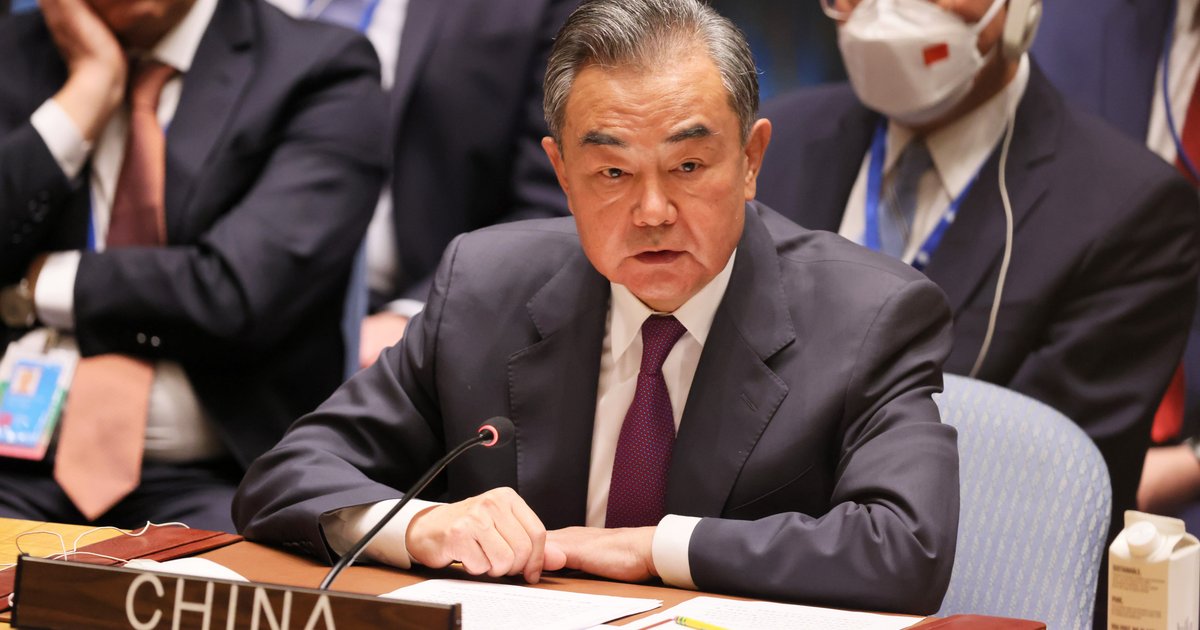
China has urged the United Nations Security Council to take effective actions aimed at calming the situation in the Middle East, emphasizing the importance of reducing the tensions that are gripping the region. This statement comes in light of escalating conflicts and crises in several countries, necessitating urgent international intervention.
The Chinese Foreign Ministry stated that Beijing believes peaceful solutions should be at the core of any international efforts aimed at addressing the crises in the Middle East. It affirmed that dialogue and negotiation are the most effective means to achieve stability in the region.
Details of the Situation
Concerns are growing over the rising tensions in the Middle East, where many countries such as Syria, Palestine, and Yemen are experiencing ongoing conflicts. Recent reports have shown that these disputes directly affect regional and international security, calling for a response from the international community, particularly from the Security Council.
In this context, China emphasized the necessity for the actions taken by the Security Council to be comprehensive and considerate of all parties involved. It also called for a focus on political solutions rather than military ones, which could exacerbate the situation.
Historical Context and Background
Historically, the Middle East has been a theater for numerous armed conflicts and political struggles. For decades, the region has witnessed wars and civil conflicts, leading to worsening humanitarian crises. In recent years, tensions have intensified due to external interventions and internal conflicts, making it essential for the Security Council to take effective steps to address these crises.
Moreover, the Chinese statements come at a sensitive time, as Beijing seeks to enhance its role as an influential global power, particularly in issues related to international peace and security. China has shown its readiness to play a larger role in mediating between conflicting parties.
Potential Impact and Consequences
If the Security Council responds to China's calls, it could lead to improved security conditions in some crisis-stricken countries. Additionally, focusing on peaceful solutions may help rebuild trust among the conflicting parties, facilitating the negotiation process.
On the other hand, China may face challenges in implementing these calls, especially given the presence of other international powers with conflicting interests in the region. Therefore, the success of these initiatives depends on China's ability to coordinate its efforts with other major countries.
Significance for the Arab Region
China's calls represent an opportunity for Arab countries to unify their efforts in addressing security challenges. If China can make progress in this direction, it could lead to greater stability in the region, positively impacting the economy and development.
In conclusion, the importance of international cooperation in addressing crises in the Middle East is highlighted. China's call for the Security Council to focus on calming the situation reflects the urgent need for collaboration and coordination among nations to achieve peace and stability in the region.