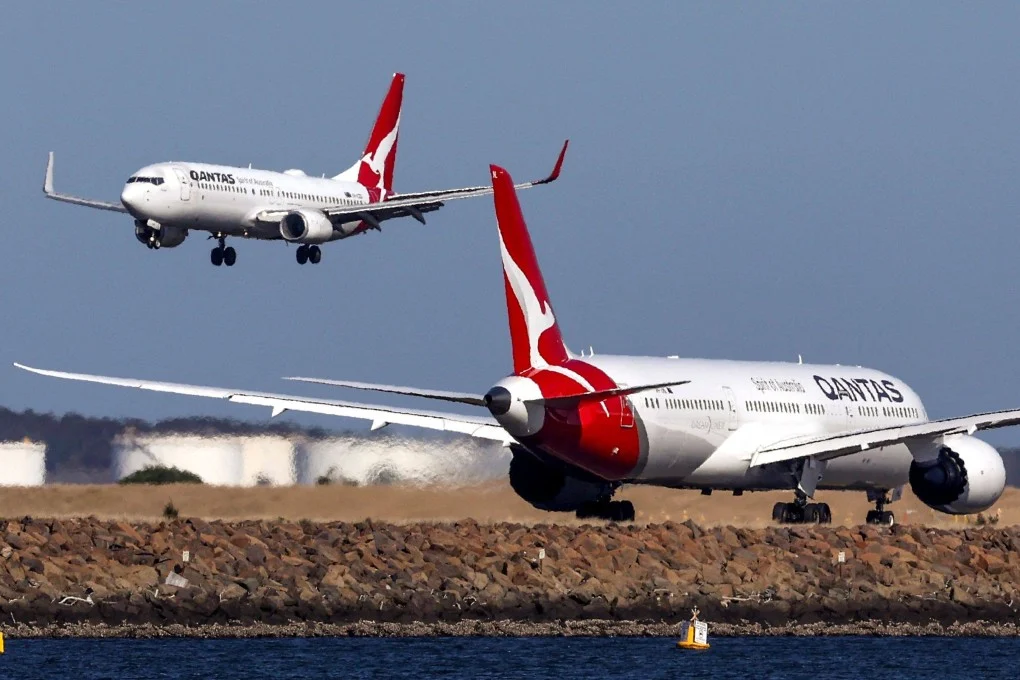
Australia and Japan are currently grappling with a severe jet fuel supply crisis, as data reveals a significant drop in China's exports of this vital resource. Chinese exports fell by nearly 40% in March, reaching 204,000 barrels per day, according to trade data provider Kpler. This decline comes at a sensitive time, with rising tensions in the region stemming from the conflict between the United States, Israel, and Iran.
China is regarded as the largest exporter of jet fuel in the Asia-Pacific region, making this export decline impactful for countries that rely on this essential resource. As air travel demand increases, Australia and Japan find themselves in a challenging position, seeking alternative suppliers to meet their needs.
Details of the Situation
Recent data indicates that jet fuel exports from China have experienced a notable decline in recent weeks, directly affecting the global market. This drop occurs at a time when many countries are suffering from the repercussions of the war in the Middle East, which has heightened tensions in energy markets. Given that Australia and Japan are among the largest importers of jet fuel from China, this situation could lead to a severe supply shortage.
Currently, Australia and Japan are actively searching for alternatives, with attention turning to other countries such as the United States and those in the Middle East to compensate for the shortfall. However, finding new suppliers may take time, increasing pressure on airlines in both countries.
Background & Context
Historically, China has been considered a reliable source of jet fuel in the Asia-Pacific region, playing a key role in meeting market demands. However, political and economic crises in the region, such as the ongoing dispute between the United States and Iran, can lead to fluctuations in supply. These crises reflect the challenges countries face in securing their essential resources amid changing conditions.
It is important to note that tensions in the Middle East have global repercussions, affecting oil and gas prices, complicating the situation for countries dependent on these resources. Consequently, any decline in supplies from China could have far-reaching implications for the global economy.
Impact & Consequences
A shortage of jet fuel supplies could lead to increased air travel costs, affecting ticket prices and reducing travel demand. This situation may have negative repercussions on the tourism sector in Australia and Japan, as both countries heavily rely on international tourists. Additionally, rising costs could result in a reduction in the number of flights, impacting trade and tourism flows.
Moreover, this shortage may compel airlines to seek alternative solutions, such as using different types of fuel or reducing flight frequency. These changes could have adverse effects on the local economy, as many workers depend on the aviation and tourism sectors.
Regional Significance
While Australia and Japan face a jet fuel supply crisis, the Arab region may also be indirectly affected. With escalating tensions in the Middle East, oil and gas prices may fluctuate, impacting the Arab economy as a whole. Any changes in energy supplies could lead to market volatility, prompting Arab countries to take proactive measures to ensure the stability of their supplies.
In conclusion, this situation underscores the importance of securing energy supplies and essential resources amid changing political and economic conditions. It requires the concerned countries to consider long-term strategies to ensure the stability of their supplies, especially in light of current tensions.