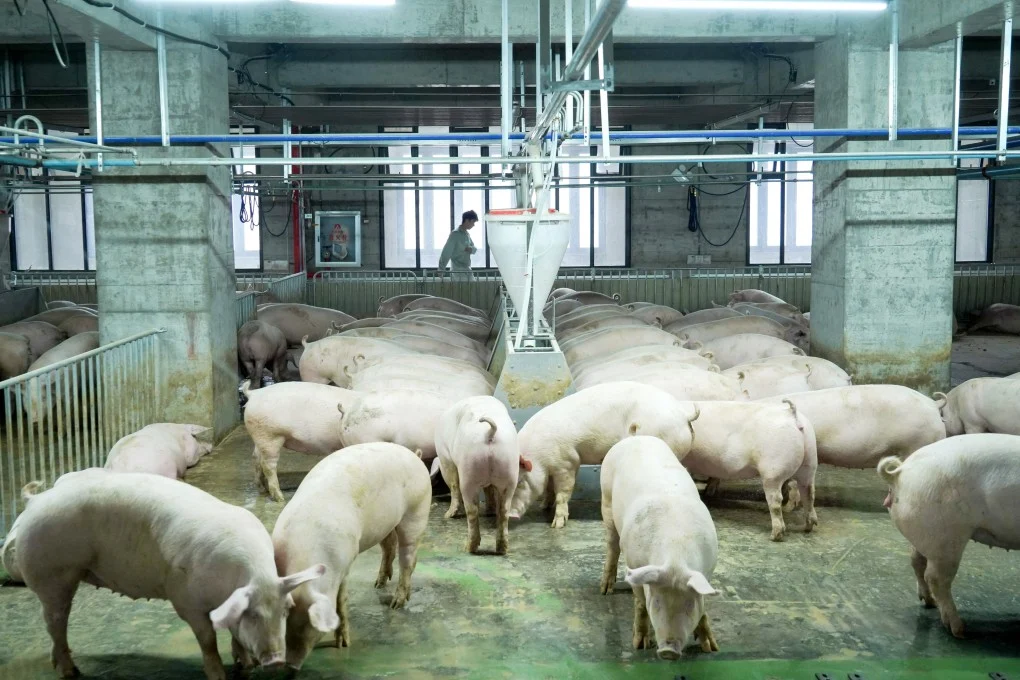
Pig prices in China have dropped to their lowest levels in eight years, with the average price of live pigs reaching 11.05 yuan ($1.60 per kilogram) during the third week of March. This decline reflects a 2.9% decrease from the previous week and a 28% drop compared to the same period last year, according to data from the Chinese Ministry of Agriculture and Rural Affairs.
Reports indicate that this price drop comes amid a continuous oversupply of meat, exacerbated by the rise of large-scale industrial farms. Additionally, the decrease in meat consumption following the holidays has contributed to this crisis, leading to a backlog of pigs in the markets.
Details of the Situation
China is the world's largest producer and consumer of pork, with this industry being a significant part of the agricultural economy. However, the increase in the number of large-scale industrial farms has led to the production of massive quantities of meat, causing a significant oversupply in the markets. This surplus has resulted in a notable drop in prices, raising concerns among farmers who rely on this industry as their primary source of income.
At the same time, the decline in meat consumption after the holidays, as consumers turn to other food options, has also contributed to worsening the situation. This shift in consumption patterns reflects a change in consumer preferences, putting additional pressure on the pig farming industry.
Context and Background
Over the past few years, the pig farming industry in China has undergone radical changes. In 2019, the country faced an outbreak of African swine fever, leading to a significant reduction in pig numbers. However, efforts to rebuild the herd have resulted in a substantial increase in production, contributing to the current oversupply.
Large-scale industrial farms are part of the government's strategy to enhance agricultural productivity, but they can also lead to unforeseen outcomes such as oversupply. This challenge necessitates a reevaluation of agricultural policies by the government to ensure the sustainability of the industry.
Consequences and Impact
The decline in pig prices directly affects farmers, who may face financial difficulties due to reduced revenues. This situation could lead to a reduction in investments in the agricultural sector, threatening the sustainability of production in the future. Additionally, falling prices may impact meat prices in local markets, potentially leading to decreased consumption.
Moreover, this situation could raise concerns for the Chinese government, which seeks to achieve food security and enhance economic stability. The government may need to take measures to support farmers, such as providing financial assistance or strengthening agricultural policies.
Impact on the Arab Region
China is one of the largest trading partners for Arab countries, with many Arab nations importing meat and agricultural products from China. Therefore, the decline in pig prices in China could affect meat prices in Arab markets, potentially contributing to lower food costs.
This situation may also open opportunities for Arab countries to enhance their investments in the agricultural sector, especially given the increasing need for food self-sufficiency. There may be opportunities for cooperation between Arab nations and China in agriculture and livestock production, strengthening economic ties between the two sides.