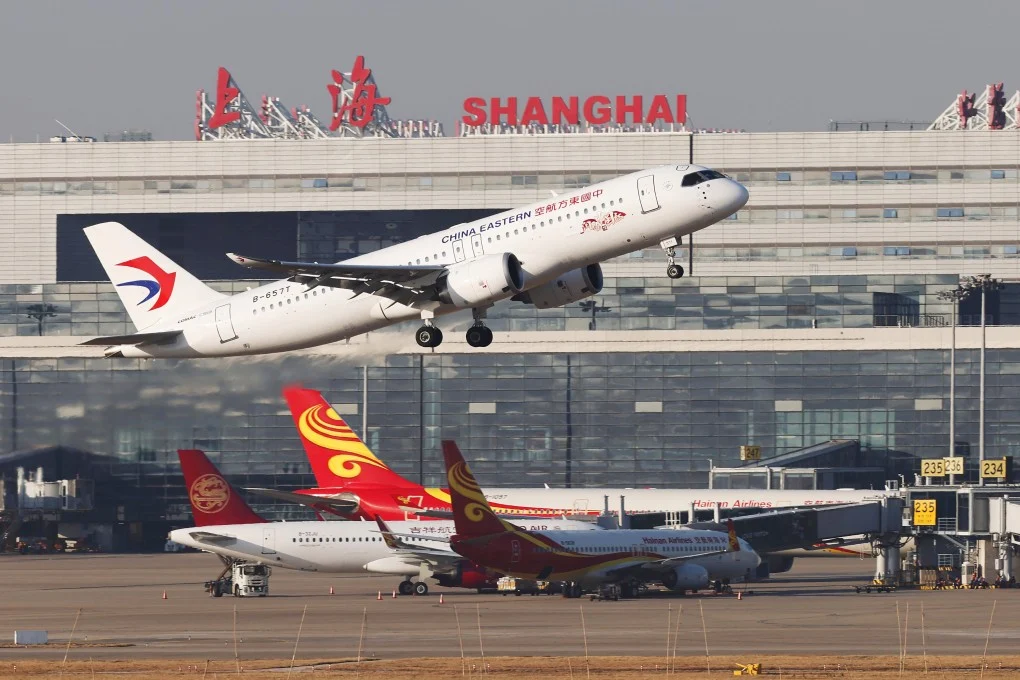
Chinese airlines are considering the possibility of significantly increasing fuel fees as authorities seek to balance the impact of rising oil prices while maintaining profit margins for airlines without negatively affecting consumer demand. In this context, two local companies have announced plans to raise fees by six times, while another company has retracted a similar announcement.
These developments come at a time when the global market is witnessing a noticeable increase in oil prices, placing additional pressure on airlines that are already suffering from the effects of the COVID-19 pandemic. These increases are expected to impact travel costs, potentially leading to a decline in consumer demand.
Details of the Announcement
According to announcements made by the companies, the proposed increase in fuel fees could reach up to six times, representing a significant jump compared to current fees. This step comes at a sensitive time as airlines are still trying to recover from the pandemic's effects, which led to a substantial decline in travel activity.
On Wednesday, two local companies issued official announcements regarding their plans to increase fees, while another company retracted its previous decision to raise fees, reflecting a state of uncertainty in the market. This variation in decisions is indicative of the pressures companies face under the current economic conditions.
Background & Context
Historically, the Chinese aviation industry has seen significant growth over the past two decades, but the recent pandemic has had substantial negative effects on this sector. With rising oil prices, companies find themselves in a difficult position where they must make decisions that affect profit margins and competitiveness.
China is considered one of the largest aviation markets in the world, and as demand for travel increases, companies are striving to improve their services and boost revenues. However, rising operating costs, including fuel prices, present a major challenge.
Impact & Consequences
If these fuel fee increases are implemented, they are likely to significantly affect airline ticket prices, potentially leading to a decrease in consumer demand. Given the intense competition among airlines, some companies may be forced to reduce their services or even cancel certain flights.
Moreover, these increases could impact both domestic and international tourism, as travelers may hesitate to make travel decisions if costs are high. Consequently, this could affect the economy as a whole, particularly in sectors linked to tourism.
Regional Significance
Considering the trade and tourism links between China and Arab countries, any changes in fuel pricing policies could affect travel flows between the two sides. Rising travel costs may reduce the number of Chinese tourists coming to Arab countries, impacting tourism revenues.
At the same time, Arab airlines may seek to capitalize on these conditions by offering competitive deals to attract travelers. Thus, the situation in China could have indirect effects on the aviation and tourism industries in the Arab region.