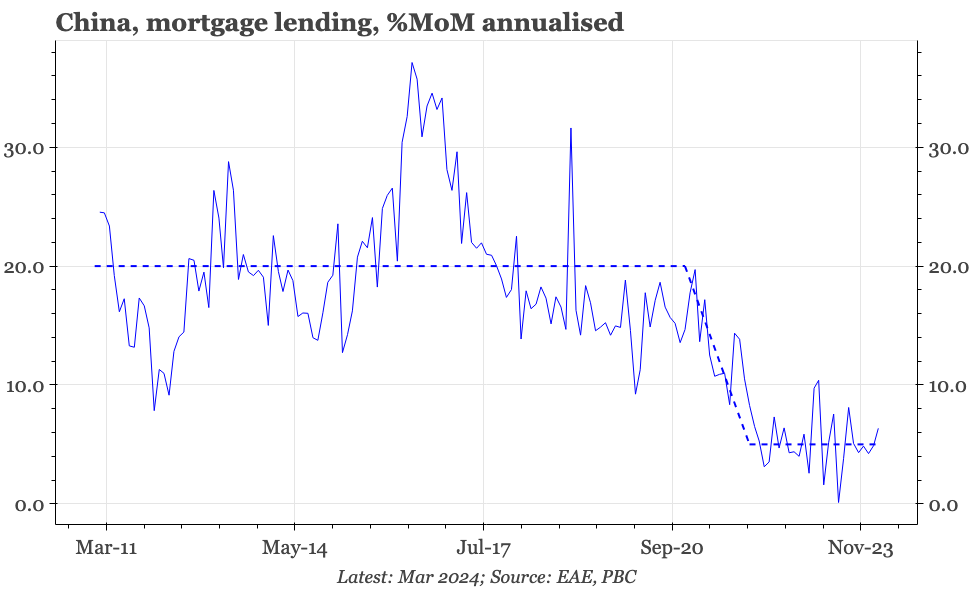
Chinese banks are facing significant challenges amid the escalating housing crisis, as they work diligently to avoid defaults and bankruptcies. These measures come at a critical time, with the real estate market under increasing pressure due to declining demand and rising interest rates.
Financial institutions are developing innovative strategies to assist borrowers who are struggling to repay their loans. These strategies include offering flexible options such as loan restructuring or interest rate reductions, which help alleviate the financial burden on families.
Details of the Situation
In recent years, China has witnessed a marked increase in defaults within the mortgage sector. This has led to widespread concern regarding the country's financial stability. Banks are now taking proactive measures to prevent the situation from worsening, as reports indicate that many borrowers are facing difficulties in repaying loans due to declining incomes and rising costs.
The solutions provided by banks also include support programs for borrowers, where financial consultations are offered to help them manage their debts more effectively. Borrowers are encouraged to communicate with banks in case of financial difficulties, allowing them to receive timely assistance.
Background & Context
Historically, the housing sector in China has been one of the main drivers of economic growth. However, with rising debts and declining demand, the crisis has begun to manifest clearly. In recent years, the country has seen several bankruptcies of major real estate companies, negatively impacting confidence in the market.
Concerns are growing that the continuation of this crisis could have negative effects on the macroeconomy, as many sectors rely on the stability of the housing market. The Chinese government, for its part, is working on implementing policies to support the sector, but challenges remain.
Impact & Consequences
The worsening mortgage crisis in China could have far-reaching effects on the global economy. If banks continue to face difficulties, this may lead to a reduction in foreign investments and increased pressures on financial markets. Additionally, declining confidence in the financial system could negatively impact domestic consumption.
There are rising fears that current support measures may not be sufficient, necessitating greater government intervention. If the crisis is not effectively addressed, we may witness larger economic repercussions, including slowed growth and increased unemployment rates.
Regional Significance
The mortgage crisis in China is a vital issue that could affect global financial stability. As one of the largest economies in the world, China's economic health is closely watched by other nations, especially those in the Arab world that consider China a key trading partner.
In conclusion, the strategies being adopted by Chinese banks to address the mortgage crisis are crucial not only for the country's economic stability but also for the broader implications they may have on the global economy.