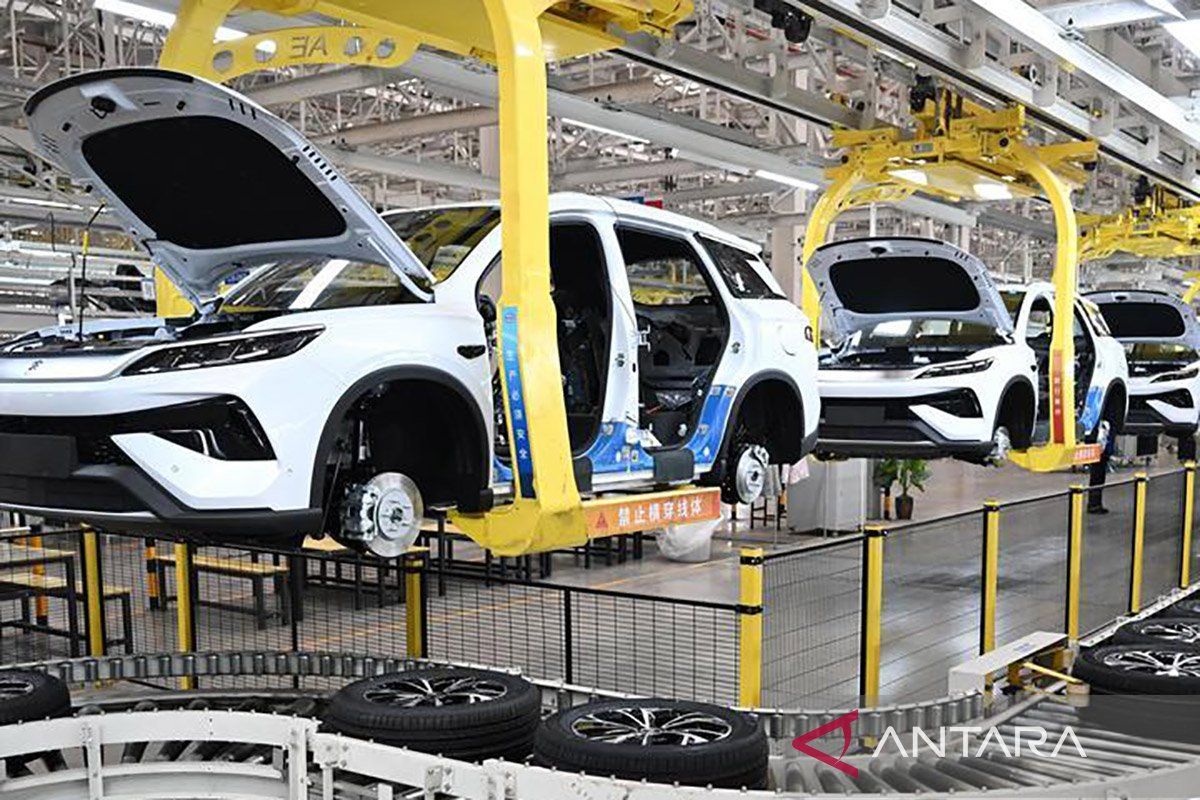
Chinese automotive manufacturer BYD is encountering substantial challenges due to a continuous decline in its sales over the past eight months. According to a report published by CarnewsChina, the company's sales in April 2026 fell to 314,100 units, representing a decrease of 15.7% compared to the same period last year.
Despite this downturn, BYD's sales saw a 6.2% increase compared to March, indicating some relative improvement. However, the overall decline in sales since last September raises concerns about the company's future in the Chinese market.
Sales Performance Overview
BYD's sales have been affected by several factors, including the long holidays associated with the Spring Festival and the reduction of incentives for electric vehicles in China. Nevertheless, the company recorded a record in exports, which surged by 70.9% in April, with over 134,000 units exported, helping to support the overall sales figures.
From the beginning of the year until April, BYD managed to sell 1,003,039 passenger vehicles, reflecting a 26.4% decline compared to the same period last year. Meanwhile, its sales in foreign markets rose to 455,707 units, marking an increase of 59.8%.
Background & Context
Founded in 1995, BYD quickly became one of the leading companies in the electric vehicle industry. With the growing global demand for electric vehicles, BYD has experienced significant growth in recent years. However, the current challenges indicate that the company may face difficulties in maintaining this growth.
China is the largest market for electric vehicles globally, but changes in government policies, such as the reduction of incentives, could significantly impact the sales of local companies. At the same time, BYD is competing with many other firms vying for market dominance.
Impact & Consequences
The decline in BYD's sales could affect its future strategies, including plans for expansion into foreign markets. If these trends continue, the company may need to reassess its marketing and production strategies.
Moreover, this downturn could have negative implications for the company's supply chain, potentially affecting its ability to meet future demand. The increasing competition from other companies may also make it challenging for BYD to regain its market position.
Regional Significance
Electric vehicles are a vital topic in the Arab region, where many countries are striving to promote the use of this technology as part of their sustainable development strategies. The decline in BYD's sales may impact its investments in the region, potentially hindering Arab nations' efforts to transition to clean energy.
However, the increase in BYD's exports could open new opportunities for Arab countries to import electric vehicles at competitive prices, contributing to the enhancement of this technology's use in the region.
In conclusion, BYD remains one of the leading companies in the electric vehicle industry, but the current challenges suggest a need to reassess its strategies. With the growing demand for electric vehicles in the Arab region, there may be new opportunities for the company if it can overcome these obstacles.