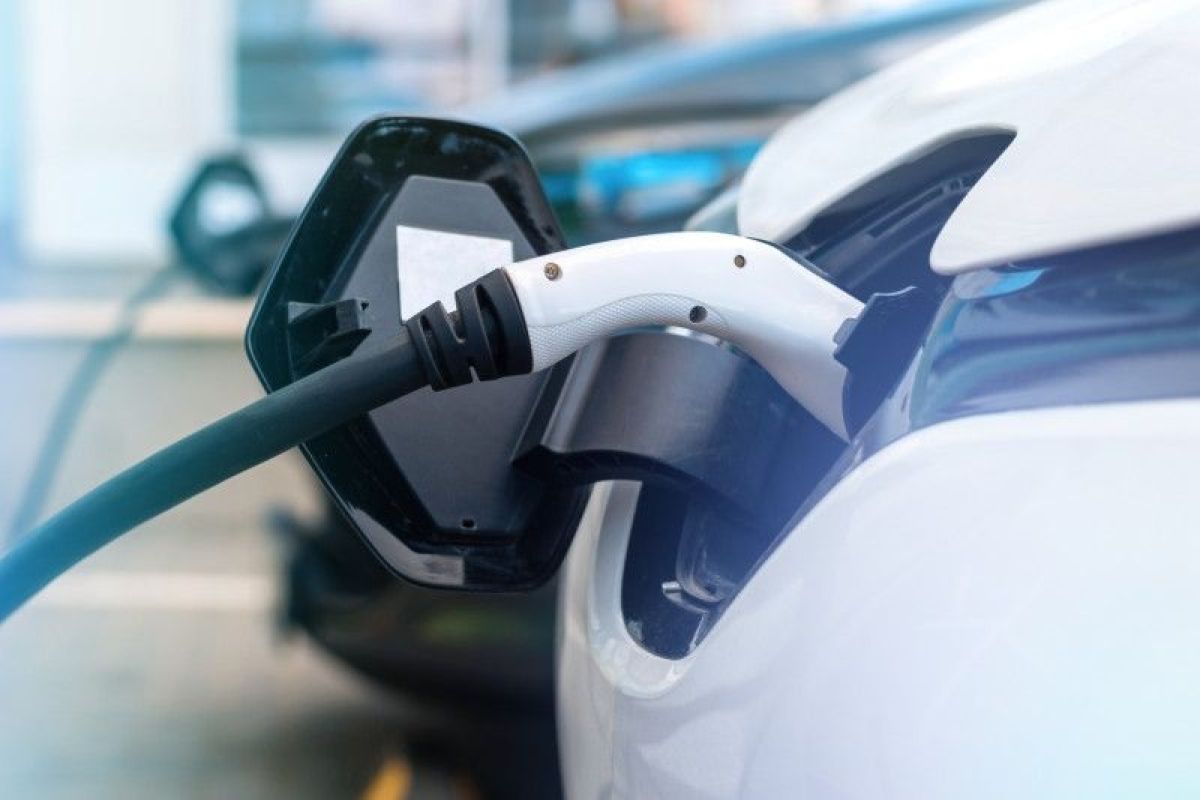
Chinese car manufacturers such as Changan, Geely, and Chery are gearing up to transition to the production of hybrid electric vehicles by 2026, in a bid to challenge Toyota's dominance in the global hybrid vehicle market. This initiative comes at a time when Toyota continues to lead in hybrid vehicle sales, while companies like BYD are expanding their footprint in the electric vehicle sector.
The Chinese companies are focused on developing new systems for hybrid vehicles, relying on advanced technologies that differ from those used by Toyota. While Toyota employs its traditional hybrid system that utilizes a planetary gear-based power transfer mechanism, Chinese manufacturers are adopting more sophisticated designs that allow for higher fuel efficiency.
Details of the New Hybrid Systems
Reports indicate that Toyota's Hybrid System (THS) emphasizes fuel efficiency and comfort, but it limits the maximum power of the electric motor due to continuous mechanical coupling. In contrast, companies like Changan utilize a hybrid system based on a parallel configuration, enabling the electric motor to operate more effectively.
For instance, Changan's Blue Core HEV system features two electric motors with several operating modes, including a pure electric mode at low speeds. These new systems aim to enhance performance and reduce fuel consumption, with forecasts suggesting that fuel consumption in urban conditions could reach around 2-3 liters per 100 kilometers under certain circumstances.
Background & Context
Historically, Toyota has been a leader in the hybrid vehicle market, achieving sales of approximately 11.3 million vehicles in 2025, of which 42% were hybrids. However, Chinese companies like BYD are adopting different strategies, focusing on producing pure electric and plug-in hybrid vehicles, reflecting a shift towards greater reliance on electricity in transportation.
These transformations in the automotive industry are part of a global trend towards reducing carbon emissions and promoting sustainability. As competition in the market intensifies, Chinese companies are looking to improve production cost efficiencies by using smaller batteries, thereby reducing dependence on expensive materials.
Impact & Consequences
Chinese companies anticipate that this shift will enhance profit margins amid declining car prices in the Chinese market. Additionally, the use of smaller batteries will help lower the costs associated with producing hybrid vehicles, making them more competitive in the market. These new strategies could lead to a significant transformation in the automotive landscape, potentially increasing the market share of Chinese companies globally, posing a real threat to Toyota and other leading firms.
As these developments unfold, the automotive industry may witness a reconfiguration of market dynamics, with Chinese manufacturers gaining a stronger foothold in the hybrid segment, which could reshape consumer choices and preferences.
Regional Significance
This competitive landscape is particularly significant for the Arab market, where the introduction of advanced hybrid vehicles could expand consumer options. The increased availability of hybrid vehicles may cater to the growing demand for sustainable transportation solutions in the region.
In conclusion, the competition between Chinese manufacturers and established players like Toyota highlights the evolving nature of the automotive industry, where innovation and efficiency are becoming paramount. As the race for hybrid technology heats up, consumers stand to benefit from a wider array of choices and potentially lower prices.