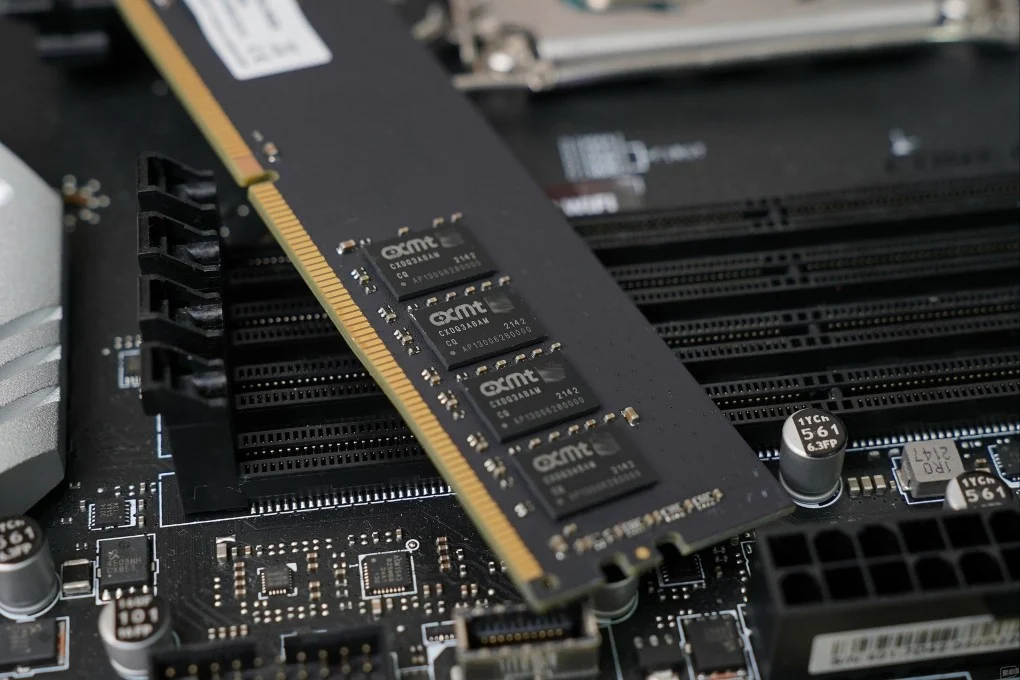
Leading Chinese memory chip manufacturers are capitalizing on the increasing demand for artificial intelligence, seeking to expand their market share by reducing prices and ramping up production. Forecasts indicate that these companies are offering prices that are more than 15% lower than their competitors, making them attractive to price-sensitive markets.
This strategy is part of an unprecedented "super" cycle currently being witnessed in the global memory sector, driven by the growing need for artificial intelligence. Chinese companies are seizing this opportunity to broaden their customer base and enhance their market share.
Details of the Market Strategy
Attention is turning to Chinese companies such as Samsung and Hikvision, which are looking to expand their production capacity to meet the rising demand. Arisa Liu, an executive and researcher in the field, noted that the price reductions represent a significant competitive advantage for Chinese firms, enabling them to attract new customers in global markets.
Reports predict that these companies will continue to increase their production, which could lead to further downward pressure on market prices. Meanwhile, traditional competitors are facing substantial challenges in maintaining their market shares.
Background & Context
The memory chip industry has seen substantial growth in recent years, fueled by digital transformation and increased reliance on artificial intelligence. China is one of the largest markets in this sector, with Chinese companies playing a significant role in meeting global demand.
Historically, Chinese firms have struggled to compete with Korean and Japanese companies, but with technological innovations and increased investments, they have managed to improve product quality and reduce production costs.
Impact & Consequences
These dynamics are expected to lead to significant changes in the structure of the global market. As the share of Chinese companies increases, we may witness a shift in the balance of power in the memory chip industry, which could affect prices and quality overall. This heightened competition may also stimulate innovation in the sector, as other companies strive to develop new technologies to maintain their competitiveness.
Furthermore, the implications of these changes extend beyond the industry itself, potentially influencing global economic trends and trade relations.
Regional Significance
The developments in the memory chip sector are particularly relevant for the Arab markets, where there is a growing reliance on technology and digital solutions. As Chinese companies expand their influence, Arab nations may find new opportunities for collaboration and investment in technology.
In conclusion, the ongoing shifts in the memory chip market highlight a significant transformation in the technology industry, underscoring the importance of adapting to new competitive landscapes.