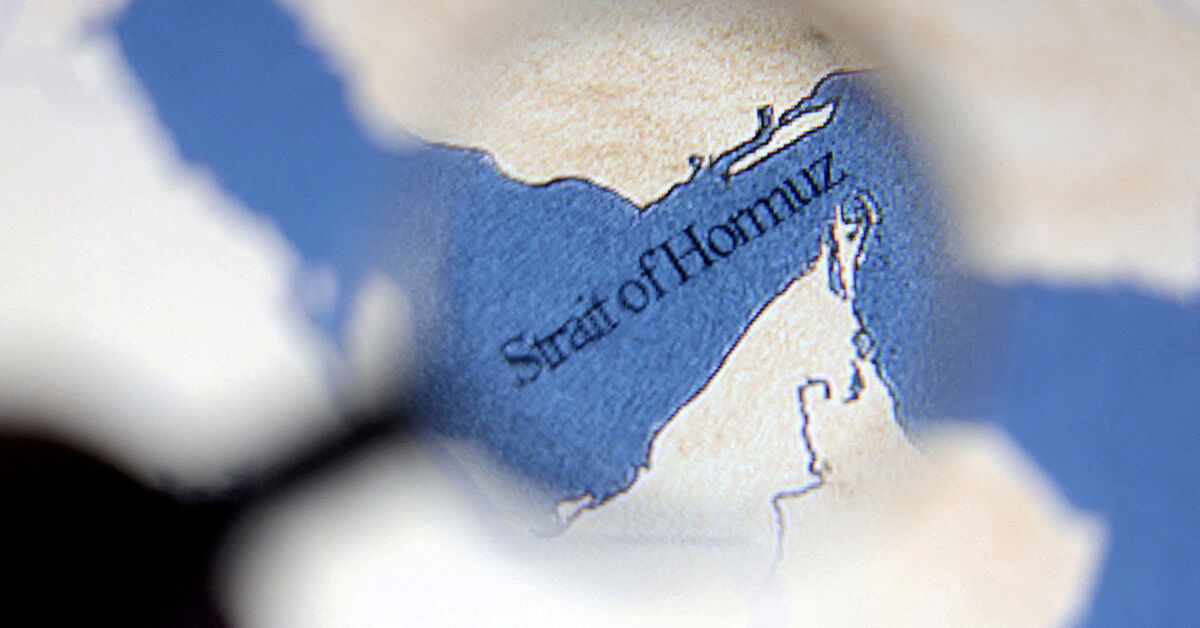
Two Chinese container ships successfully crossed the Strait of Hormuz on Monday after being forced to return to the Gulf during a previous attempt on Friday. According to data available on the MarineTraffic platform, the ships were sailing in close formation as they left the strait towards open waters.
The media was unable to reach officials from the COSCO Group, which operates the two ships, for immediate comments. The Strait of Hormuz is a vital waterway through which approximately 20% of the world's total oil trade passes, and the region has witnessed increasing tensions since the beginning of the U.S.-Israeli war on Iran.
Details of the Incident
This incident is part of a series of events that have occurred in the region in recent months, as concerns have grown regarding the impact of the ongoing conflict on maritime navigation. The Chinese ships, carrying containers, were attempting to transit the strait at a particularly sensitive time, as the area was experiencing military and security escalation.
Data shows that the ships managed to exit the strait after a previous failed attempt, indicating that the situation in the region remains volatile. This event has raised questions about the safety of maritime navigation amid increasing tensions.
Background & Context
Since the beginning of the U.S.-Israeli war on Iran on February 28, the Strait of Hormuz has been in a state of effective closure. This war, which involves an escalation of military operations, has significantly affected maritime traffic in the region, causing many ships to avoid passing through this vital corridor.
Historically, the Strait of Hormuz is considered a strategic transit point for oil and natural gas, with nearly 17 million barrels of oil passing through it daily. Any disruptions in this corridor could lead to rising oil prices and negative impacts on the global economy.
Impact & Consequences
This incident underscores the importance of the Strait of Hormuz as one of the most vital waterways in the world. Any threats or escalation in the conflict could lead to widespread effects on global markets, particularly in the energy sector.
Moreover, the continued tensions in the region may affect price stability and increase investor concerns. If these conditions persist, we may witness changes in shipping and global trade strategies, potentially leading to a reassessment of transportation methods and ship insurance.
Regional Significance
The situation in the Strait of Hormuz has a direct impact on Arab countries, especially those that rely on oil exports. Any disruption in maritime traffic could affect the Arab economy as a whole, necessitating precautionary measures by the concerned countries.
Furthermore, regional stability requires international cooperation to address security and economic challenges. It is crucial for Arab countries to adopt effective strategies to deal with these tensions, ensuring maritime safety and protecting their economic interests.
In conclusion, this incident highlights the significance of the Strait of Hormuz as a vital corridor for global trade and underscores the challenges facing the region amid rising tensions. Concerned countries must work to enhance security and stability to ensure the continuity of maritime navigation and trade.