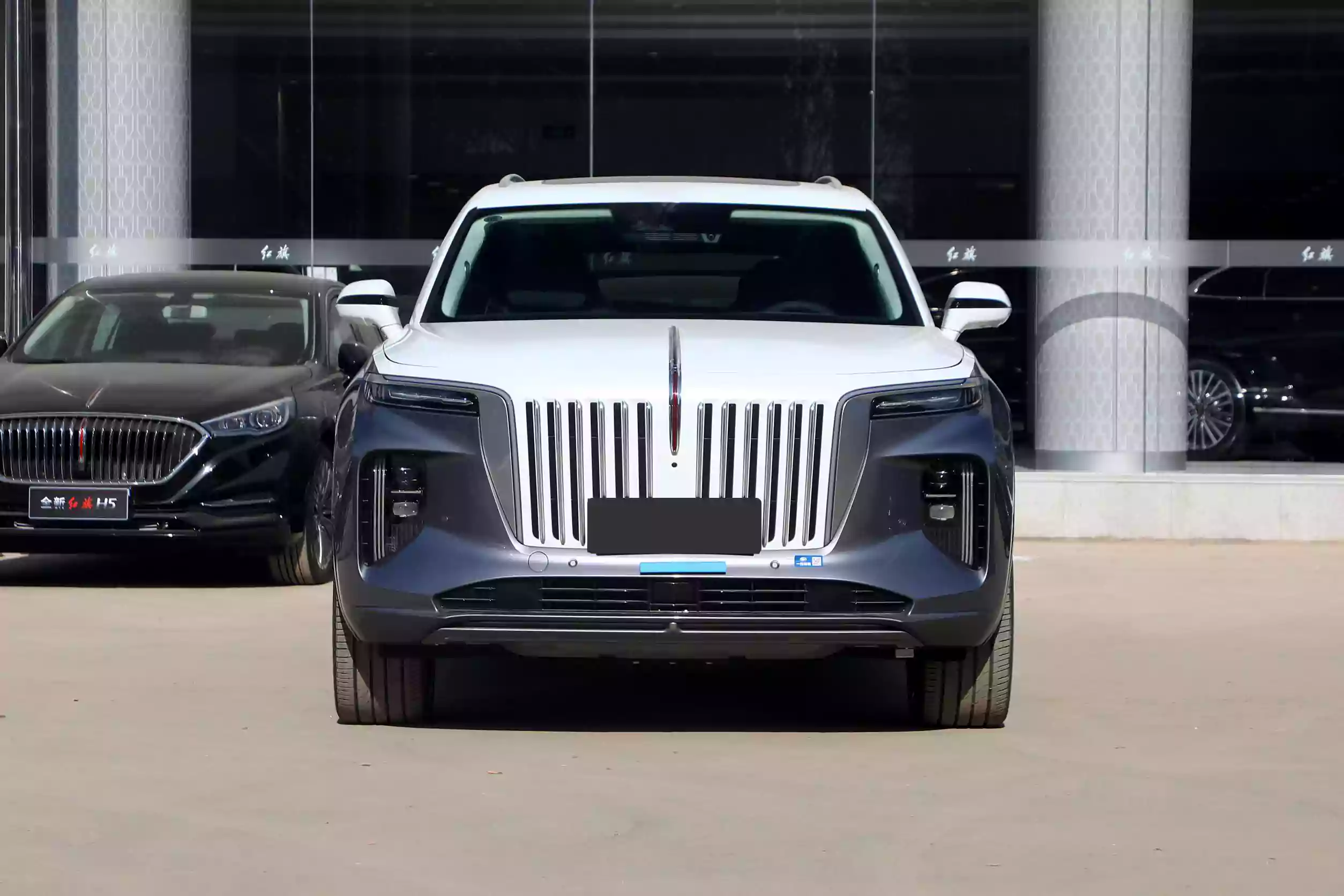
Chinese company Hongqi, regarded as a symbol of luxury cars in China, is seeking to acquire the Stellantis factory in Spain to enhance its presence in the European market. This initiative is part of Hongqi's strategy to expand into new markets, especially given the challenges faced by traditional automotive manufacturers.
Founded in 1958, Hongqi has historical ties to prominent figures such as Mao Zedong. Today, the company aims to modernize its image and increase its share in global markets, particularly in Europe, which is experiencing intense competition.
Details of the Acquisition
Hongqi looks to leverage the Stellantis factory in Spain, one of the largest automotive plants in Europe. The factory has the capacity to produce a diverse range of vehicles, making it an ideal launchpad for Hongqi to expand its production capabilities. The Chinese company has already initiated discussions with Stellantis management regarding the potential acquisition.
This move comes at a time when demand for electric and luxury vehicles is rising in Europe, making the European market an attractive target for Chinese companies. Hongqi also hopes to benefit from the advanced expertise and technologies possessed by the Stellantis factory.
Background & Context
The automotive industry has undergone significant transformations over the years, with many companies shifting their focus towards electric vehicles and modern technologies. In this context, Hongqi aims to capitalize on this trend through its investment in the Stellantis factory.
Hongqi's history dates back to the post-Chinese revolution era, where it was considered a symbol of national pride. However, economic and competitive challenges in the global market have prompted it to rethink its strategies and expand its operations beyond Chinese borders.
Impact & Consequences
If Hongqi successfully acquires the Stellantis factory, it could have a substantial impact on the automotive industry in Europe. This acquisition would enable Hongqi to enter a highly competitive market, where it will face challenges from established companies such as Volkswagen and BMW.
Moreover, this move could lead to increased Chinese investments in Europe, reflecting a broader trend towards economic cooperation between China and European countries. It may also contribute to the creation of new jobs and foster innovation in the automotive sector.
Regional Significance
This step is significant as it reflects new trends in the automotive industry and enhances economic cooperation between China and Europe. The potential collaboration could open doors for further partnerships between Chinese and European companies, particularly in the electric vehicle sector.
In conclusion, Hongqi's pursuit of the Stellantis factory signifies a strategic shift in its operations and an ambition to thrive in the competitive European automotive market.