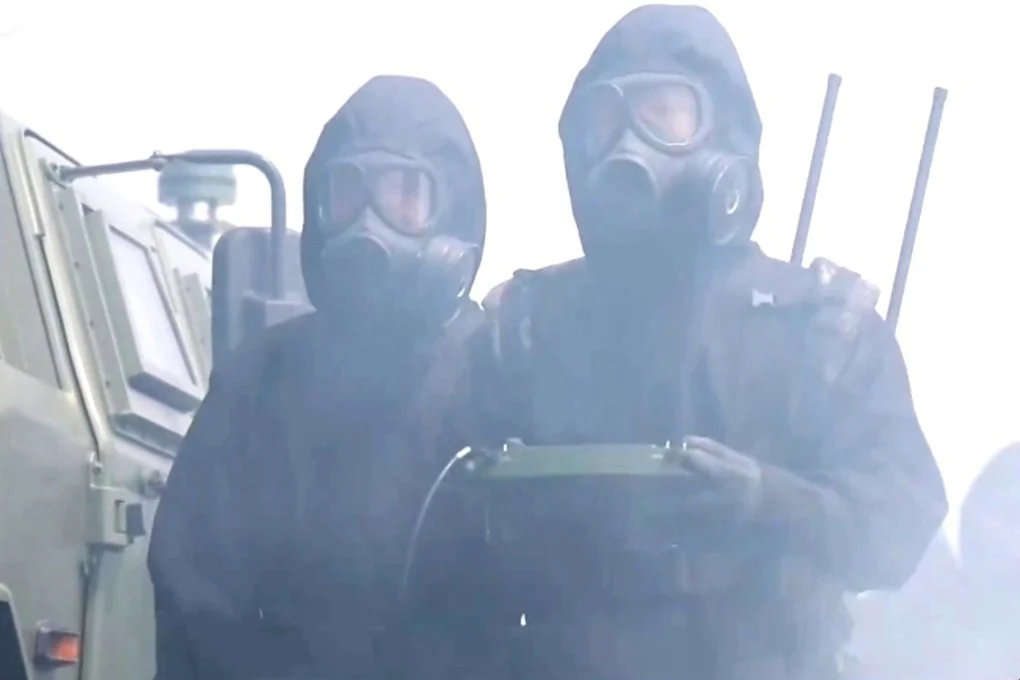
The Chinese armed forces, responsible for the East China Sea and the Taiwan Strait, have conducted military exercises related to responding to a nuclear attack. These drills occur at a sensitive time, as regional tensions escalate due to the potential targeting of Iranian nuclear facilities by the United States and Israel. According to reports broadcast by the state-run CCTV, the timing and location of the exercises were not disclosed, but the focus was on rapid responses to nuclear disasters.
The recent exercises, held at a naval base under the Eastern Theater Command, simulated scenarios related to nuclear attacks, reflecting China's readiness to confront any potential threats. Emphasis was placed on the rapid detection and handling of radioactive materials, highlighting the importance of these drills in enhancing the defensive capabilities of the Chinese military.
Details of the Event
These exercises are part of China's efforts to bolster its military capabilities in a region it considers highly sensitive. The Taiwan Strait is a major point of tension between China and Taiwan, with Beijing viewing Taiwan as part of its territory. The military drills also come amid escalating tensions between China and the United States, as Washington seeks to strengthen its military presence in the area.
The drills encompass a range of scenarios, including rapid disaster response and handling nuclear materials. Images released by Chinese media showed soldiers training with emergency response equipment, reflecting the seriousness with which China approaches these exercises.
Background & Context
Historically, the Taiwan Strait has seen increasing tensions, especially after China announced its intentions to expand its influence in the region. In recent years, the United States has ramped up its support for Taiwan, further heightening tensions. The Chinese military exercises are part of its strategy to enhance its military presence in the area, raising concerns among neighboring countries.
At the same time, Iran faces increasing international pressure due to its nuclear program, raising the likelihood of escalation in the region. The Chinese drills may also serve as a message to Western powers that China is prepared to respond to any potential threats.
Impact & Consequences
The Chinese military exercises could lead to heightened tensions in the region, as neighboring countries may interpret them as a show of force. This could provoke reactions from the United States and its allies, increasing the likelihood of conflicts in the area. Additionally, these drills may impact China's relations with other countries, particularly those concerned about the rising military influence of China.
It is noteworthy that rapid responses to nuclear disasters are a sensitive issue, as any mismanagement of such scenarios could lead to severe consequences. Therefore, the Chinese military exercises reflect the seriousness with which Beijing addresses these issues.
Regional Significance
For the Arab region, the rising tensions in the Taiwan Strait and the East China Sea could impact Arab interests. Increased military tensions may lead to fluctuations in oil prices and financial markets, affecting the Arab economy as a whole. Furthermore, any escalation in the region could impact regional security, necessitating close monitoring of developments by Arab nations.
In conclusion, the Chinese military exercises in the Taiwan Strait are indicative of the escalating tensions in the region, warranting broad international attention.