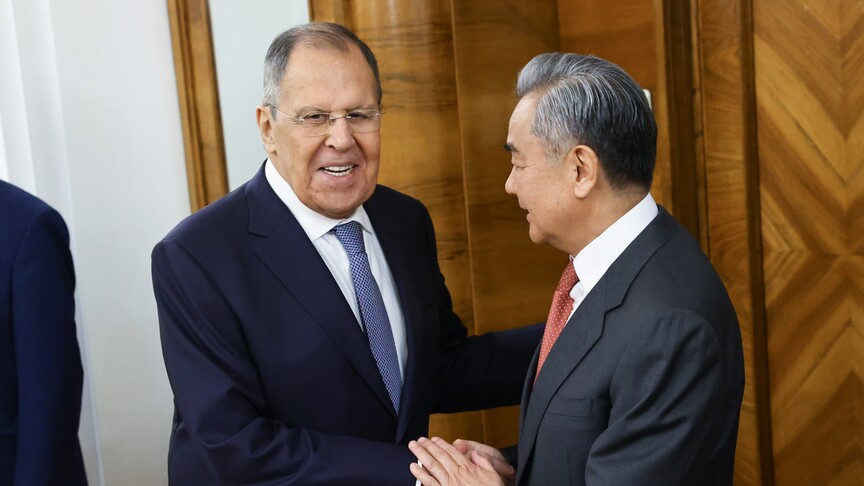
In a move reflecting the close cooperation between China and Russia, Foreign Ministers Wang Yi and Serguei Lavrov conducted a phone call to discuss the anticipated vote in the United Nations Security Council concerning a resolution related to the Hormuz Strait. The Chinese Foreign Ministry reported that both parties agreed on the significance of upholding justice in core issues and the necessity of adopting an objective and balanced approach.
This discussion comes at a sensitive time, as the Hormuz Strait is one of the world's most critical maritime passages, through which approximately 20% of the world's total oil passes. The decision is expected to have significant impacts on global energy markets and regional security.
Details of the Event
During the call, Wang Yi and Lavrov emphasized the importance of coordination among the permanent members of the Security Council, stressing the need for balanced positions on issues affecting international security and stability. Both sides noted that current challenges require a coordinated and effective response from the international community.
Other relevant issues were also addressed, including regional tensions and their impact on global trade. Wang Yi asserted that China will continue to support efforts aimed at enhancing peace and security in the region.
Background & Context
The Hormuz Strait is a vital strategic point, linking the Arabian Gulf to the Gulf of Oman, and serves as a major route for oil and natural gas shipments. The region has witnessed increasing tensions in recent years, particularly with the escalation of conflicts between Iran and the United States, thereby amplifying the importance of diplomatic discussions on this subject.
Historically, China and Russia have been allies on many international issues, seeking to enhance their influence on the global stage. This phone call demonstrated both sides' commitment to cooperating in the face of shared challenges.
Impact & Consequences
The UN Security Council's decision regarding the Hormuz Strait is expected to affect global oil prices, potentially leading to market volatility due to any changes in policies or military actions. Furthermore, any escalation in tensions could impact the overall stability of the region.
Moreover, cooperation between China and Russia may encourage other countries to adopt similar stances, which could lead to changes in the political dynamics of the region. This collaboration serves as an indicator of the growing influence of both China and Russia on global issues.
Regional Significance
Arab countries, especially those located along the Gulf, are among the most affected by developments in the Hormuz Strait. Increased tensions could impact oil and gas exports, adversely affecting the economies of these nations. Additionally, any escalation in conflict could lead to serious security repercussions.
Therefore, closely monitoring these diplomatic discussions is essential to understanding how they will affect security and stability in the Arab region. The cooperation between China and Russia could open new avenues for regional collaboration, potentially contributing to enhanced security in the Gulf.