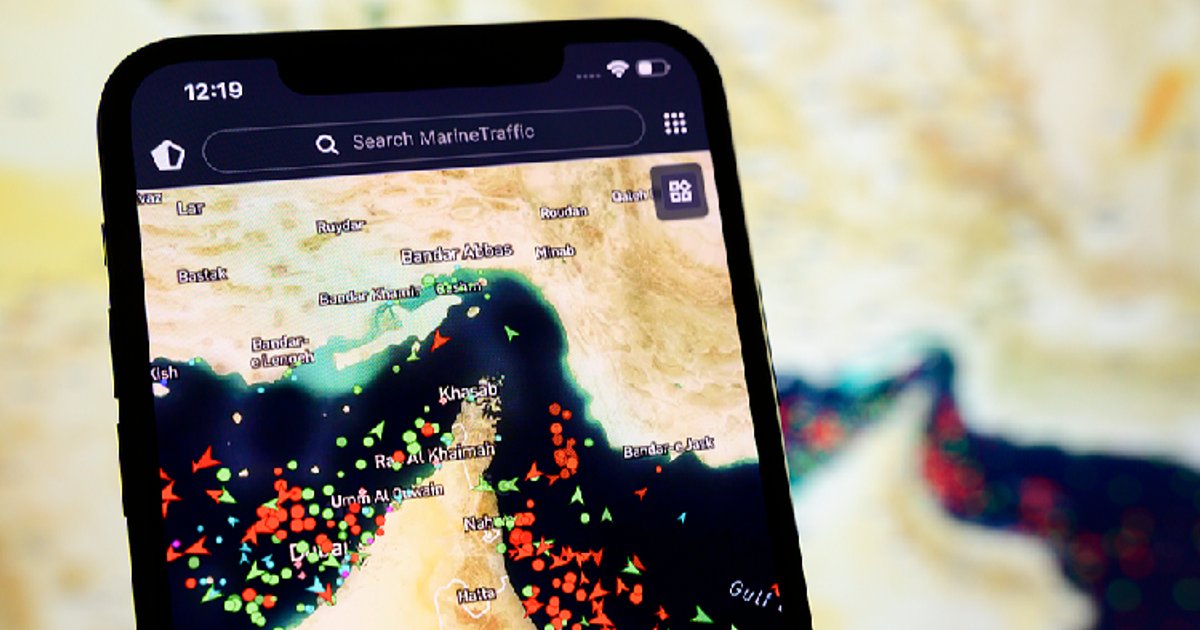
The Chinese Foreign Ministry reported that three vessels belonging to China have recently crossed the Strait of Hormuz, reflecting the increasing cooperation between China and the relevant countries in the region. Ministry spokesperson, Mao Ning, confirmed that this crossing was coordinated with the related parties, highlighting the significance of the Strait of Hormuz as one of the vital maritime passages in the world.
This step is part of China's strategy to enhance its maritime presence in strategic areas, as the Strait of Hormuz is a crucial transit point for transporting oil and natural gas to global markets. The strait witnesses significant traffic of commercial and military vessels, making it a focal point of interest for major powers.
Details of the Event
The crossing occurred at a sensitive time, as tensions in the region are escalating due to political and economic conflicts. This announcement comes at a time when international relations are undergoing significant changes, with China seeking to expand its influence in the Middle East.
It is noteworthy that the Strait of Hormuz is considered one of the most important waterways in the world, through which approximately 20% of the world's total oil passes. Therefore, any maritime movements in this strait carry significant strategic implications.
Background & Context
Historically, the Strait of Hormuz has been the stage for numerous political and military events. The region has witnessed ongoing tensions between major powers, particularly the United States and Iran. In recent years, China has increased its investments in the Middle East, reflecting its desire to strengthen its economic and political relations with countries in the region.
Moreover, China is one of the largest oil importers in the world, heavily relying on imports from Gulf countries. Thus, enhancing cooperation with these nations is part of its strategy to ensure energy supply security.
Impact & Consequences
This move serves as a clear message from China regarding its intentions to bolster its presence in the region. Such actions may lead to increased tensions between major powers, especially if the United States perceives it as a threat to its interests in the region.
Furthermore, these developments could impact global oil prices, as any tension in the Strait of Hormuz could lead to price hikes due to concerns over supply disruptions. Therefore, monitoring these events will be essential to understanding future trends in the market.
Regional Significance
For Arab countries, enhancing cooperation with China could bring significant economic benefits. This could lead to increased Chinese investments in the region, contributing to infrastructure development and economic growth.
However, Arab nations must be aware of the challenges that may arise from this cooperation, particularly concerning political balances in the region. Therefore, dialogue and coordination between Arab countries and China will be essential to ensure the achievement of mutual interests.
In conclusion, the crossing of Chinese ships through the Strait of Hormuz represents an important step in the context of changing international relations, reflecting China's desire to enhance its presence in a region considered vital for the global economy. As tensions in the region continue, the question remains about how these movements will affect the future of relations between major powers and Arab countries.