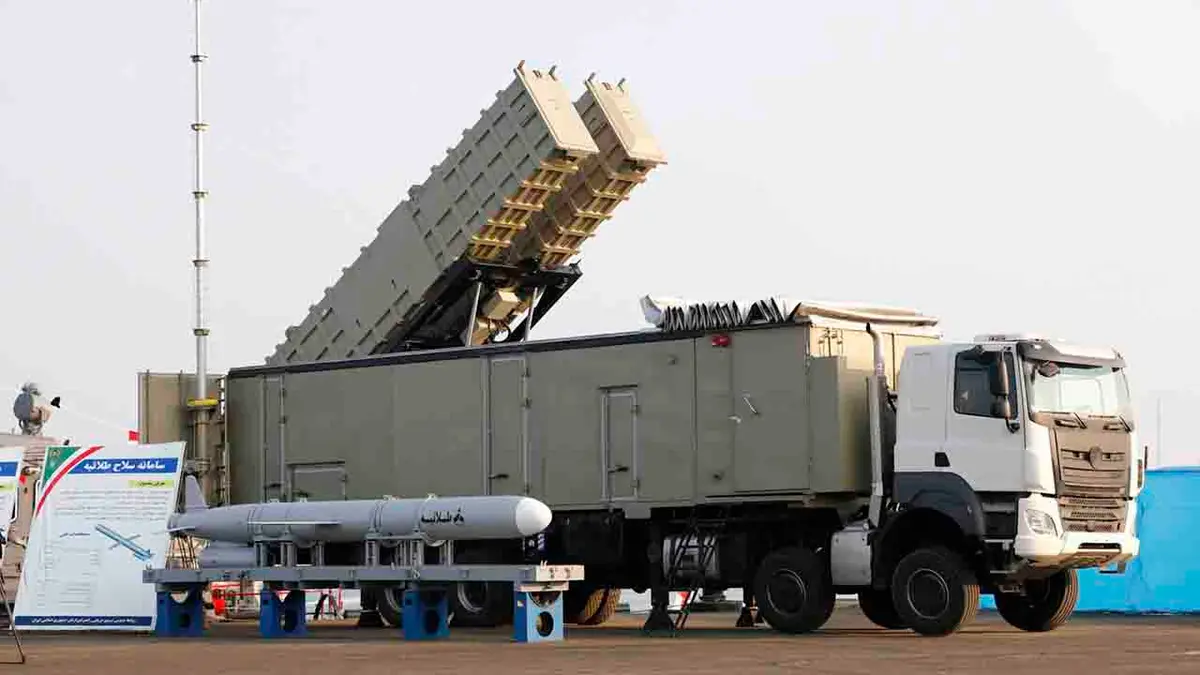
Reports reveal that Chinese ships are transporting materials used in the production of ballistic missile fuel to Iran, raising concerns within the international community. This development comes at a sensitive time marked by increasing tensions in the region.
This information comes from the British newspaper The Telegraph, which reported that the shipments include chemicals that can be used in the development of ballistic missiles, reflecting the growing military cooperation between Beijing and Tehran. This cooperation is part of a broader strategy to enhance Iran's defensive capabilities, raising fears of escalating tensions in the Middle East.
Details of the Event
According to reports, the Chinese ships transporting these materials are heading towards Iranian ports, where it is believed that these materials will be used in Iran's missile programs. Satellite images have shown active movement of these ships in Iranian territorial waters, raising questions about China's commitment to the international sanctions imposed on Iran.
These developments come at a sensitive time, as Iran seeks to enhance its military capabilities in the face of international pressures, especially after the United States withdrew from the nuclear agreement in 2018. Iran has increased its military activities in recent years, leading to heightened tensions with Western countries and Gulf states.
Background & Context
Historically, relations between China and Iran have been characterized by strategic cooperation, particularly in the fields of energy and military technology. In recent years, there has been an increase in trade volume between the two countries, reflecting China's desire to enhance its influence in the Middle East.
In turn, Iran seeks to strengthen its partnerships with non-Western countries amid the economic and political pressures it faces. This military cooperation could bolster Iran's position in facing regional and international challenges, increasing its ability to respond to any potential threats.
Impact & Consequences
These shipments could escalate tensions in the region, as neighboring countries, such as Saudi Arabia and Israel, may feel concerned about the enhancement of Iranian military capabilities. Additionally, this cooperation could lead to international reactions, including the imposition of new sanctions on China or Iran.
Furthermore, the enhancement of Iranian missile capabilities could affect the balance of power in the region, prompting some countries to reassess their security and military strategies. In this context, some nations may seek to strengthen their military alliances or increase their defense budgets.
Regional Significance
Considering the potential impact on the Arab region, these developments could lead to increased tensions between Iran and Arab countries, particularly those that feel threatened by the Iranian missile program. This could escalate existing conflicts, such as those in Yemen and Syria, where Iran plays a key role in supporting certain factions.
Moreover, these circumstances may push Arab countries to enhance security cooperation among themselves to counter potential threats from Iran. Ultimately, these developments reflect the ongoing challenges facing the region and highlight the need for effective strategies to address these challenges.